Key Developments
On 15 May 2026, the UK told the UN Security Council it would keep backing a political transition in Syria, accountability for regime crimes, and de-escalation, citing 15.6 million people in need and ongoing humanitarian operations, according to HM Government.
Key Statistics
- 15.6 million people in need across Syria, per HM Government
- 65,000 humanitarian aid operations referenced by the UK at the UN, per HM Government
- Historical: 100 countries engaged in migration cooperation agreements hosted by the Netherlands, per Rijksoverheid
Main Body
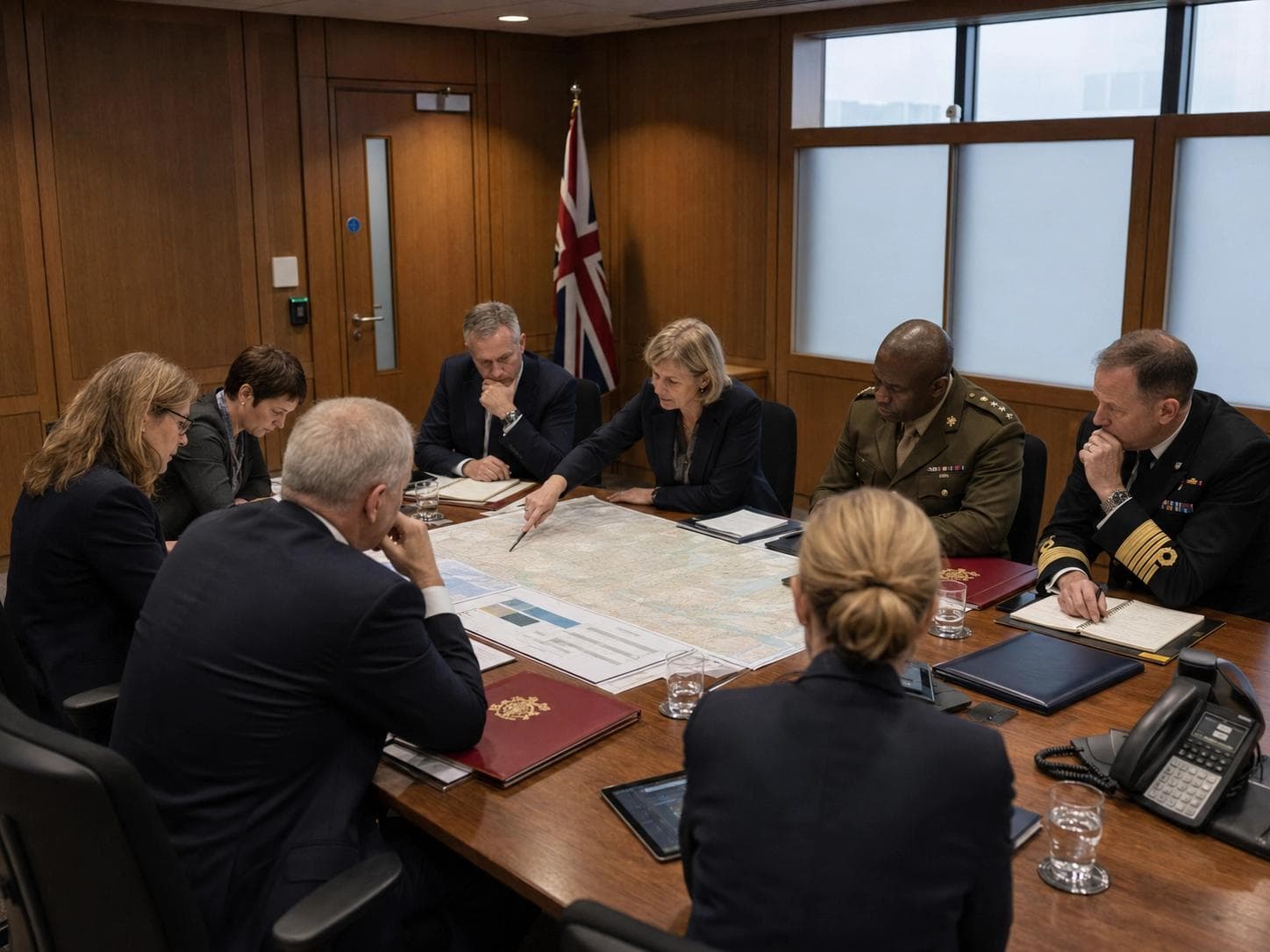
On 15 May 2026, the UK said at the UN Security Council that it would continue working with partners for a political transition in Syria, accountability for crimes attributed to the Assad regime, and regional de-escalation, according to HM Government. Ambassador James Kariuki highlighted that 15.6 million people required aid and referenced extensive humanitarian operations, and he urged inclusive governance and sustained dialogue to ease the crisis, the government statement noted.
The UK statement stressed the need to protect civilians, uphold humanitarian access, and pursue accountability mechanisms alongside a UN-facilitated political process, the HM Government readout said. Separately, on 14 May 2026, the government said Foreign Ministers meeting in Chisinau aimed to agree a modern interpretation of the European Convention on Human Rights to strengthen action against illegal migration and ensure deportations of serious offenders are not frustrated while balancing family rights, according to HM Government.
Recent European engagement also pointed to a broader policy track on Syria. On 8 May 2026, the European Commission said the EU and Syrian Transitional Authorities planned high-level meetings in Brussels to advance relations, support socio-economic recovery, and back a long-term, inclusive transition. On 6 May 2026, the Rijksoverheid reported new migration cooperation understandings with more than 100 countries and noted a chaired discussion with Syria on return and reconstruction.
The UK’s UN message mattered because it tied immediate humanitarian relief to a political track and accountability, which the HM Government said was needed to stabilize Syria and ease regional pressures. Parallel European initiatives on engagement and migration management, cited by the European Commission and Rijksoverheid, suggested coordinated efforts to improve humanitarian access, support recovery, and better manage displacement dynamics connected to the conflict.