Key Developments
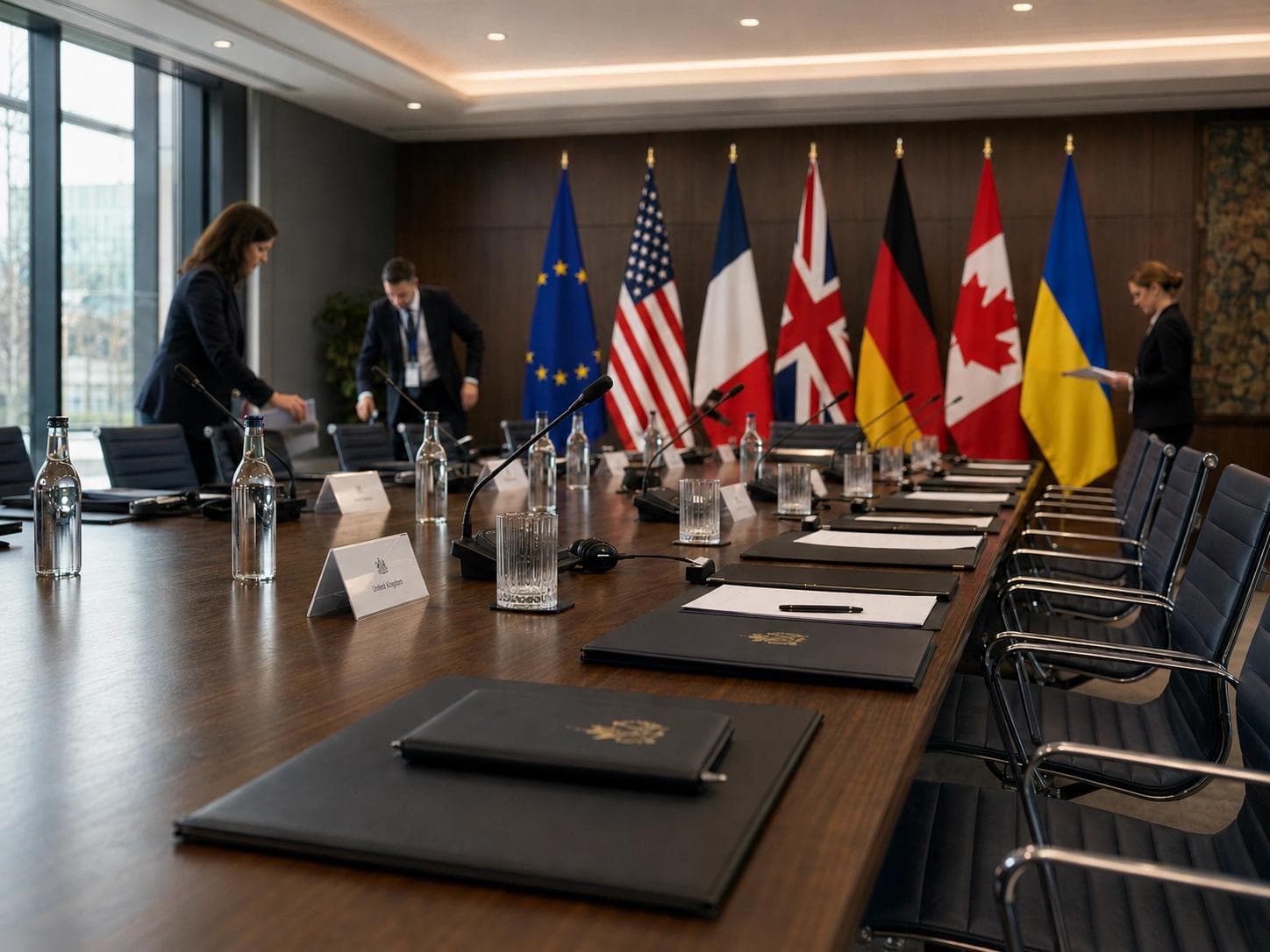
On 11 May 2026, the UK government said the UK and France would host the first meeting of defence ministers to progress a multinational mission in the Strait of Hormuz. The UK confirmed HMS Dragon would pre-position in the region to support efforts to secure navigation and restore confidence in commercial shipping.
Key Statistics
- 44 nations set to participate in the planned multinational mission, according to the UK government
- 1 British warship, HMS Dragon, to pre-position in the region as stated by the UK government
- 20% of global oil supply transits the Strait of Hormuz, per the UK government
- Historical: £270,000,000,000 in UK defence investment highlighted by the UK government
Main Body
On 11 May 2026, the UK government announced that the UK and France would host the first meeting of defence ministers to advance a multinational mission in the Strait of Hormuz. The UK confirmed it would pre-position the destroyer HMS Dragon to support the effort, which aimed to secure freedom of navigation and restore confidence in commercial shipping amid disruptions to international routes.
Operationally, the initiative was framed as a broad multinational undertaking, with HM Government indicating participation by 44 nations. The government underscored the strategic stakes, noting that about 20 percent of global oil supply transits the Strait of Hormuz. Pre-positioning HMS Dragon was presented as a concrete UK contribution to deterrence and maritime security in this critical chokepoint.
In recent preparation for sustained operations and resilience, the UK highlighted defence-industrial readiness measures. On 29 April 2026, HM Government reported a major wargame to test defence supply chains under wartime conditions and cited a record £270 billion investment in UK defence, setting context for capability and sustainment of overseas missions.
The development mattered for global energy flows and maritime trade stability, given the Strait of Hormuz’s role in oil transit, as outlined by the UK government. By convening a ministerial meeting with France and pre-positioning a Royal Navy destroyer, the UK signalled allied coordination to reduce risk to commercial shipping, reassure markets, and uphold freedom of navigation in a high-impact maritime corridor.