Key Developments
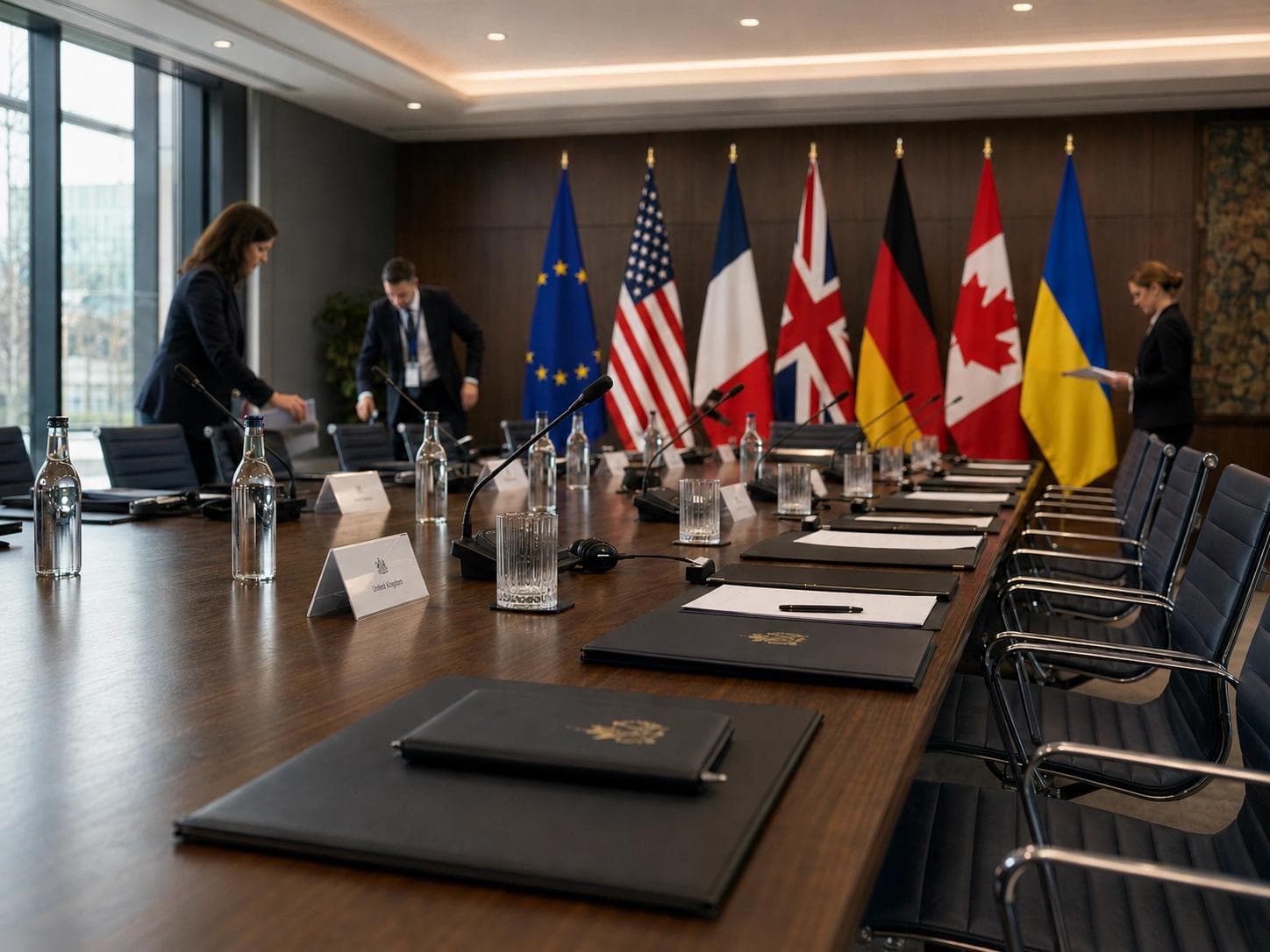
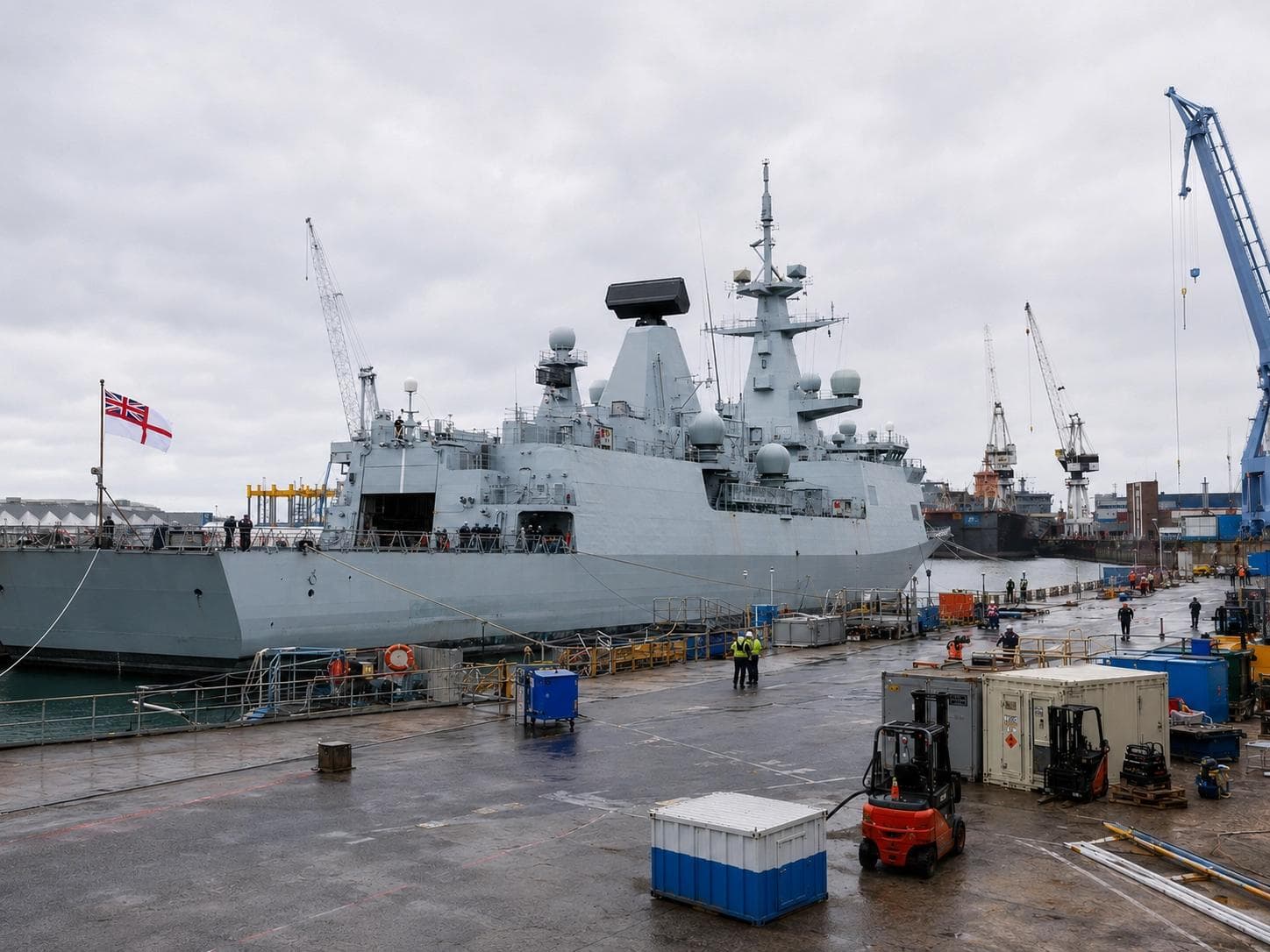
On 27 March 2026, the HM Government committed an additional £100 million for Ukraine’s air defences, taking UK air-defence pledges to £600 million over the past two months. The package was intended to protect cities and critical infrastructure from Russian attacks and formed part of the UK’s £3 billion annual military support to Ukraine, according to the HM Government.
Key Statistics
- £100 million in additional UK air-defence funding committed for Ukraine in this package
- £600 million total UK air-defence commitments to Ukraine over the past 2 months
- £3 billion in annual UK military support pledged to Ukraine
- £5 billion increase to the UK defence budget this year, historical context from a ministerial speech
Main Body
On 27 March 2026, the HM Government announced an additional £100 million for Ukraine’s air-defence needs. The government said the funding was intended to protect urban areas and key infrastructure from ongoing Russian strikes, and it brought total UK air-defence commitments to £600 million over the previous two months. The statement added that these measures sat within a wider policy of providing £3 billion in annual military support to Ukraine.
According to the HM Government, the package aimed to bolster Ukraine’s capacity to defend population centres and critical services against missile and drone attacks. The government framed the commitment as part of a sustained support pipeline designed to reinforce Ukraine’s sovereignty and security. By concentrating resources on air-defence capabilities, the UK intended to help Ukraine limit the impact of strikes on civilian life and essential infrastructure, the HM Government said. The announcement maintained momentum from recent pledges, which cumulatively reached £600 million for air defence over two months, as set out by the HM Government.
The funding decision aligned with broader UK defence policy and resourcing signals. In a keynote address at DPRTE 2026, the Minister for Defence Readiness and Industry, Luke Pollard, highlighted procurement, innovation and skills as the underpinning of capability delivery, noting an additional £5 billion for defence this year and a commitment to raise spending with small and medium-sized enterprises by 50 percent by May 2028, according to the HM Government. Allied discussions have also stressed the need to accelerate production and delivery timelines. Parliamentary delegates underscored the speed and scale required in defence industrial output during recent engagements in the United States, the NATO Parliamentary Assembly reported.
The package carried significance for European security and allied burden sharing. The UK described the funding as part of a sustained commitment to Ukraine’s defence, seeking to mitigate the humanitarian and economic costs of strikes on cities and energy networks, according to the HM Government. The emphasis on air defence came amid wider attention to airborne and uncrewed threats. U.S. and Western officials said Russia had been sending upgraded Shahed-style drones to Iran, a development that raised proliferation concerns, as AP News reported. The decision also intersected with allied planning for greater European capability and resilience, amid Ground News reporting that British MPs warned about potential variability in future U.S. support. In this context, the UK’s financing of air defence for Ukraine, and its ongoing £3 billion annual support, signalled continued European commitments to collective security and the sustainment of industrial and logistical capacity needed for long-duration assistance, the HM Government and the NATO Parliamentary Assembly indicated.