Key Developments
On 26 June 2026, the Department of State announced a large-scale U.S. response to Venezuela’s earthquakes, deploying a DART of over 250 personnel and mobilizing $150 million, including $100 million via OCHA and $50 million bilaterally, plus 200,000 pounds of equipment. Allied moves by the UK government and the European Commission proceeded amid urgent-needs reporting by UNICEF and OCHA.
Key Statistics
- $150 million in U.S. humanitarian assistance mobilized
- $100 million U.S. contribution to OCHA-managed operations
- $50 million in U.S. bilateral humanitarian awards
- Over 250 U.S. DART and support personnel deployed
- 200,000 pounds of specialized rescue and communications equipment staged
- Allied: 68 UK search-and-rescue specialists deployed and £2 million allocated
- Allied: 520 EU responders mobilized and €52 million in aid committed
Main Body
On 26 June 2026, the United States launched a major humanitarian operation for Venezuela’s earthquakes, the Department of State said. The department reported deployment of a Disaster Assistance Response Team with over 250 personnel, including Urban Search-and-Rescue specialists, and announced $150 million in assistance, comprising $100 million through OCHA-managed efforts and $50 million in bilateral awards. It also cited roughly 200,000 pounds of specialized equipment and a partnership with Starlink to help restore connectivity.
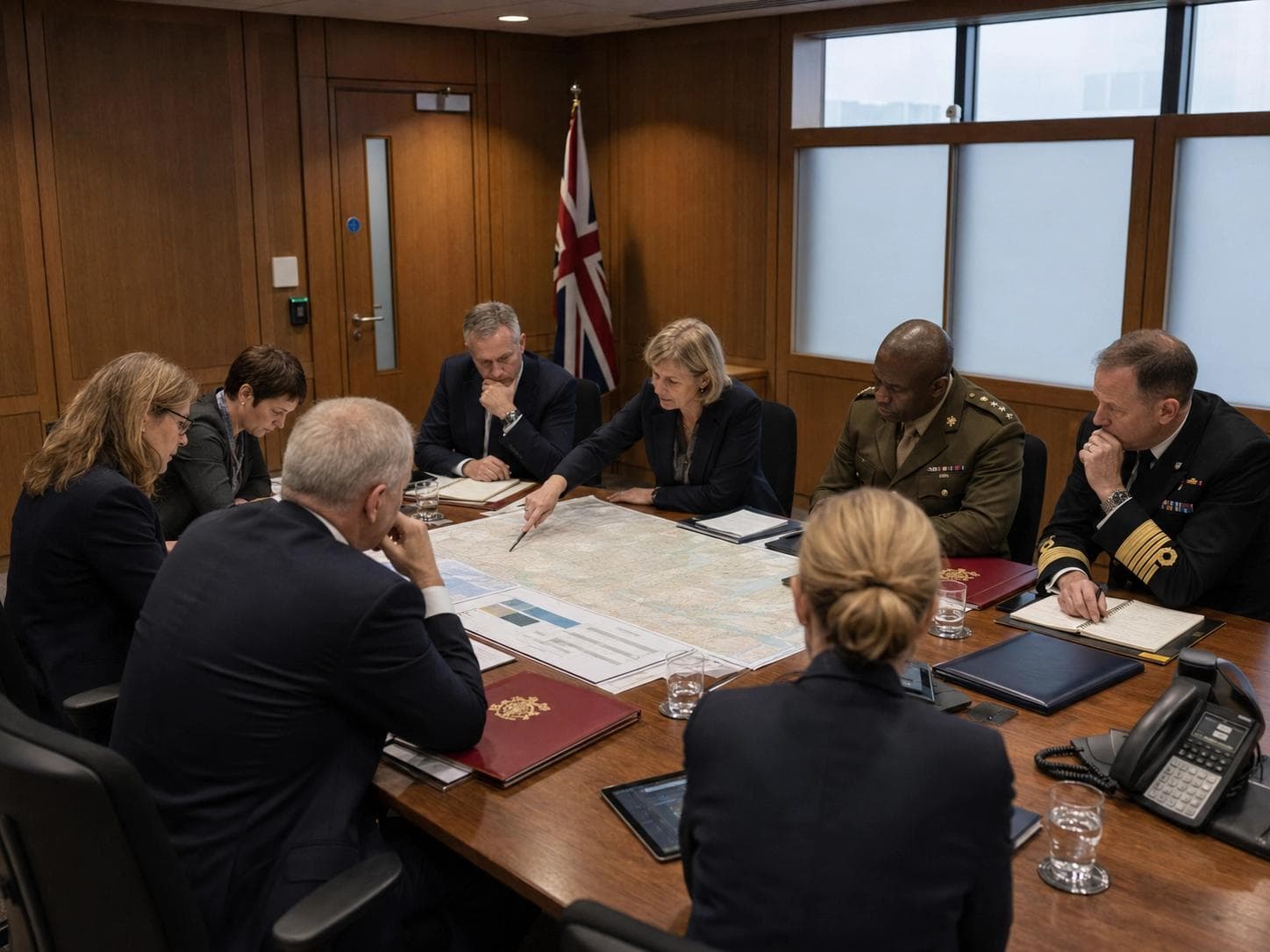
Operationally, the Department of State said the DART would coordinate with U.N. agencies and non-governmental partners, while U.S. Southern Command supported interagency logistics and access, according to the Department of War. The package included funding for life-saving assistance, emergency shelter, medical support, and critical communications to enable search, rescue, and relief operations.
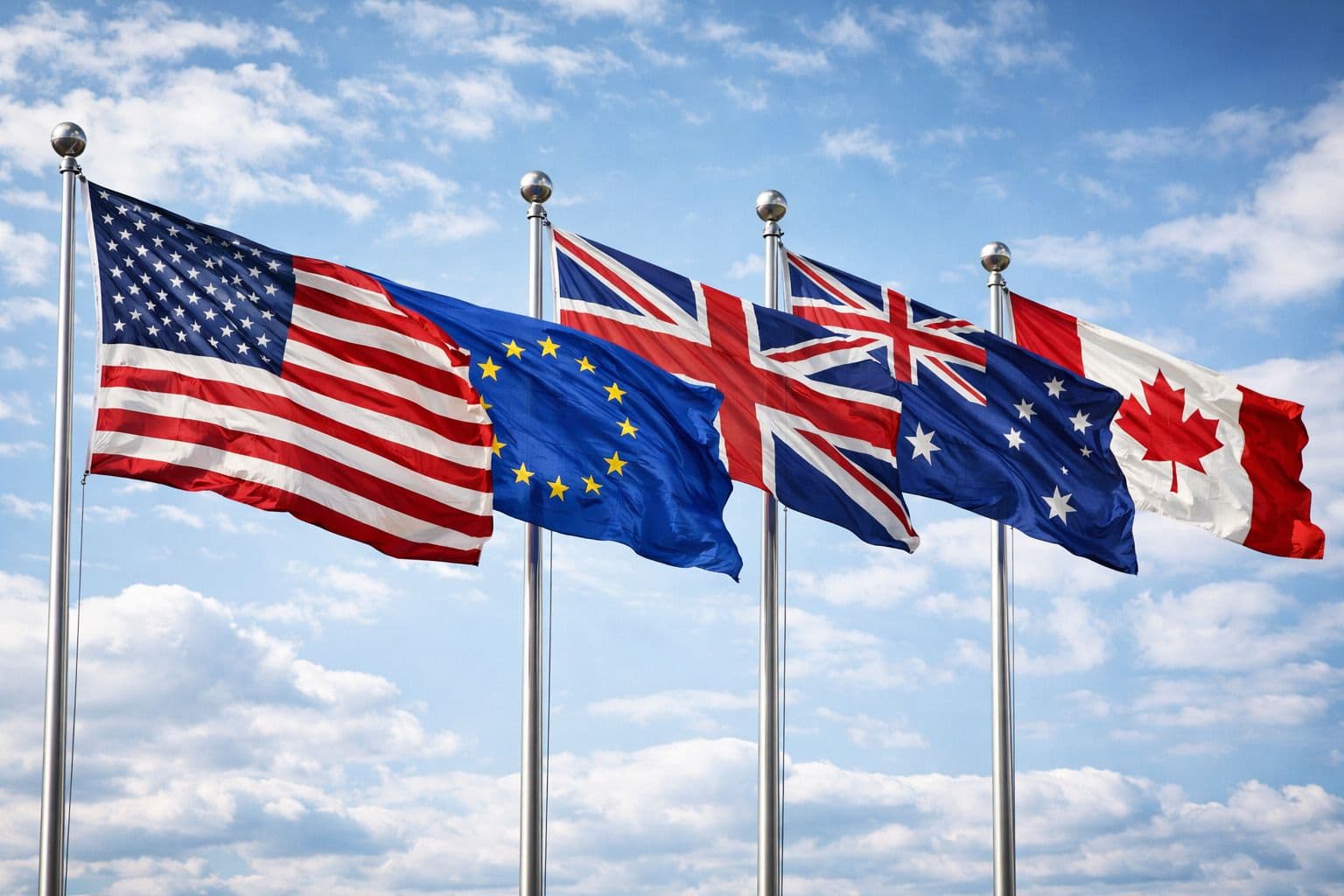
The announcement followed an initial 25 June mobilization that outlined the same $150 million split between OCHA and bilateral channels, the Department of State noted. Parallel allied actions included a 68-strong UK search-and-rescue team and £2 million in aid, per HM Government, and EU support with emergency teams, Copernicus mapping, and €52 million in funding, the European Commission reported.
The scale and speed of the U.S. deployment aimed to accelerate life-saving search, medical care, logistics, and communications in a complex operating environment, the Department of State said. Situation updates from UNICEF and OCHA underscored immediate health, water and sanitation, and protection needs, reinforcing the utility of channeling significant resources through established multilateral coordination while allied deployments added operational capacity on the ground.