Key Developments
On 1 June 2026, the Rijksoverheid announced a decision and departure moratorium on Lebanese asylum cases, effective immediately for six months. The measure paused decisions on applications and returns to Lebanon, citing the fragile security situation in the country.
Key Statistics
- 6 months initial duration of the decision and departure moratorium, according to the Rijksoverheid
- 100 Lebanese asylum applications received by Dutch authorities, per the Rijksoverheid
Main Body
On 1 June 2026, the Rijksoverheid announced that Minister Bart van den Brink introduced a decision and departure moratorium on asylum applications from Lebanon. The government cited the fragile security situation in Lebanon and said the moratorium took immediate effect for an initial six months. Under the measure, no decisions would be taken on Lebanese asylum requests and individuals would not be returned to Lebanon during this period, the government said.
A government notice stated that the moratorium applied across the asylum process, suspending both adjudication and enforced returns while it remained in place. The Rijksoverheid also indicated there were about 100 Lebanese applications in the system that would be affected by the pause.
The step came alongside broader Dutch messaging on global security. Also on 1 June 2026, the Rijksoverheid reported that Justice and Security Minister Dilan Yeşilgöz-Zegerius, speaking during the Shangri-La Dialogue in Singapore, underlined that security tensions are interconnected and called for shared responsibility with partners on defense, cyber, and technology cooperation.
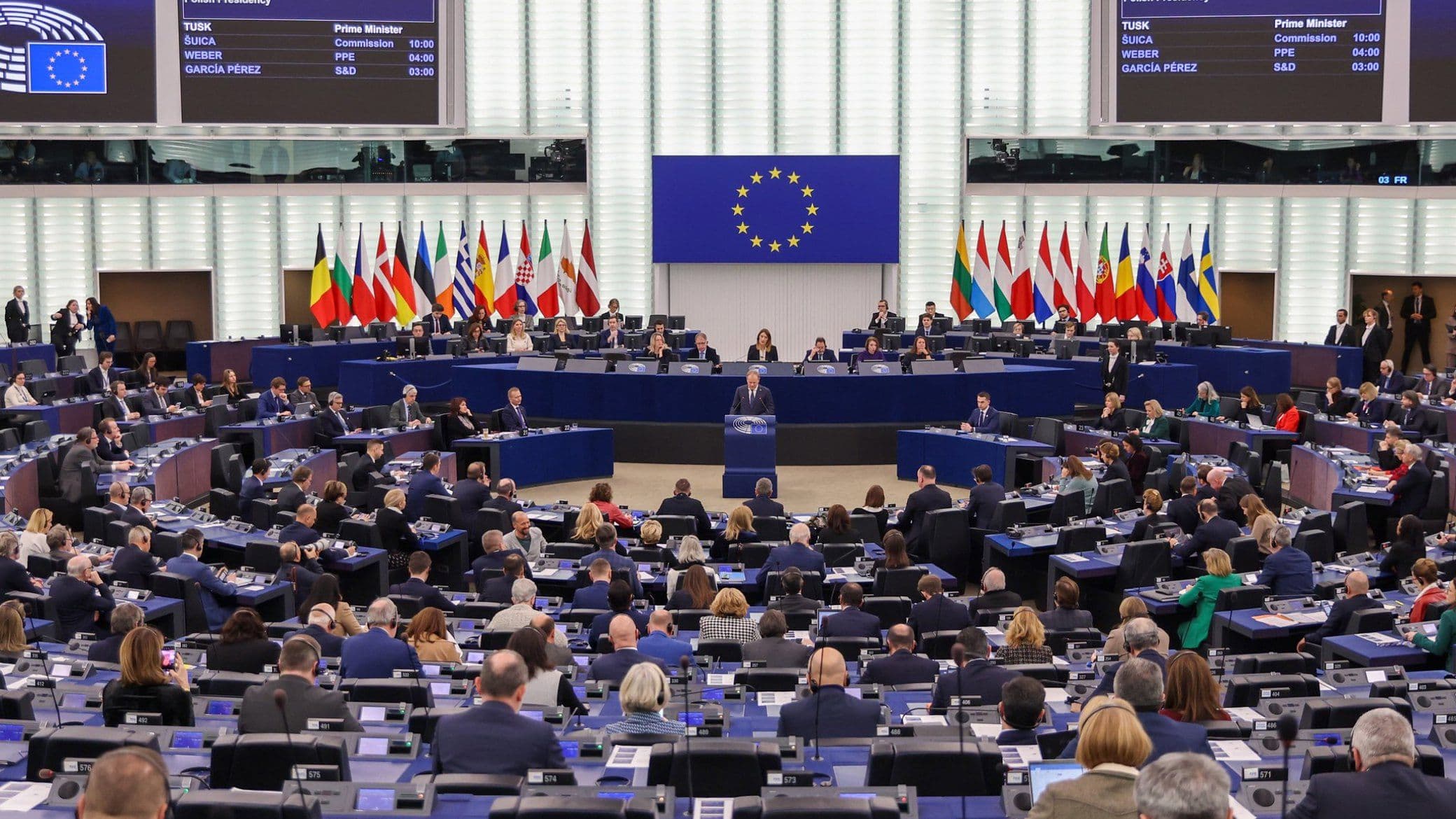
The moratorium had immediate operational effects on case processing and removals, reflecting a risk-sensitive approach to returns to Lebanon as described by the government. At the EU level, attention to external security risks has also been prominent. On 19 May 2026, the European Parliament reported it approved mandatory screening of foreign investments in sensitive sectors by 508 votes to 64, with 90 abstentions, to protect critical assets.