Key Developments
On 7 May 2026, the Bundeswehr reported that NATO navies from Belgium, Denmark, Germany, the Netherlands, and Norway conducted the Mjølner 2026 drill off northern Norway, observed by Sweden and Lithuania. An earlier Bundeswehr briefing set participation at 2,500 troops under German leadership.
Key Statistics
- 2,500 soldiers engaged in Mjølner 2026 training, according to the Bundeswehr
- 5 navies participating as core exercise members, the Bundeswehr said
- 2 observing nations, Sweden and Lithuania, according to the Bundeswehr
- 5 days of high-intensity maritime training scheduled off Norway, per the Bundeswehr
- Comparative, historical: 4,000 personnel from 41 nations in NATO Locked Shields 2026 cyber drill, the Bundeswehr reported
Main Body
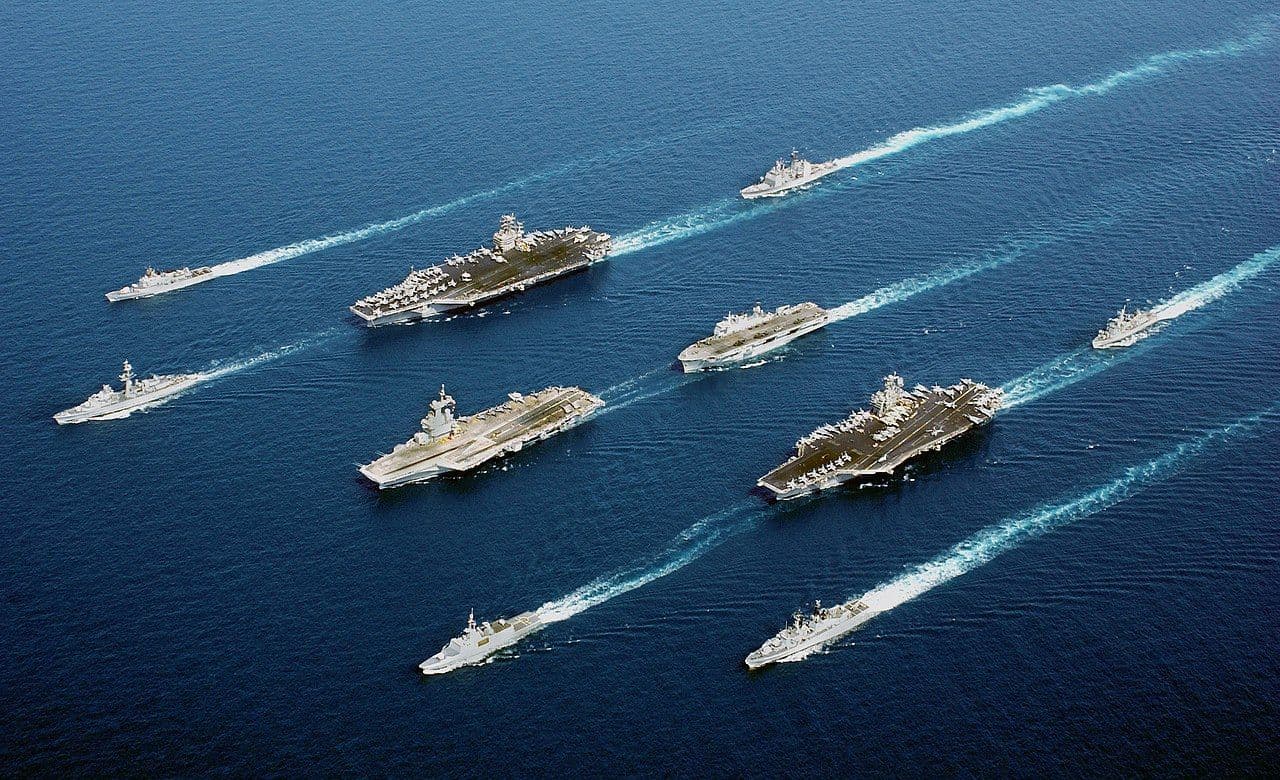
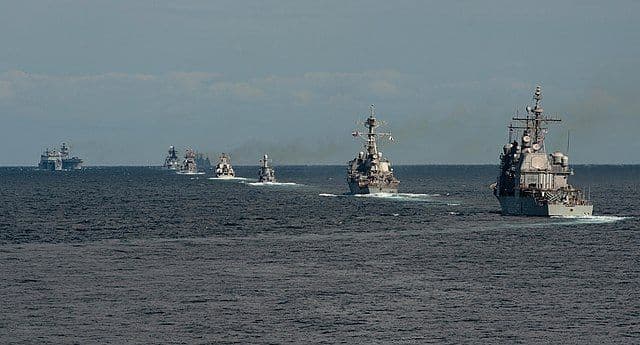
On 7 May 2026, the Bundeswehr said the Mjølner 2026 naval exercise was underway in waters off northern Norway. The drill brought together the navies of Belgium, Denmark, Germany, the Netherlands, and Norway, with Sweden and Lithuania observing, and emphasized credible deterrence through real capabilities, unity, determination, and interoperability.
Detailing the scope, the Bundeswehr previewed on 29 April 2026 that about 2,500 soldiers from five nations would train under German leadership from 4 to 8 May off Norway, focusing on high-intensity scenarios and realistic operational conditions. The current update from the Bundeswehr highlighted severe environment operations and the need to align diverse naval assets for rapid, coordinated responses.
This activity formed part of broader allied readiness efforts across domains. On 24 April 2026, the Bundeswehr reported that the NATO Locked Shields cyber drill involved roughly 4,000 participants from 41 nations. On 1 May 2026, NATO Allied Command Transformation discussed embedding space capabilities into NATO operations to strengthen situational awareness and operational support.
The exercise underscored allied deterrence in the High North and Germany’s operational role at sea, supporting protection of the Alliance’s northern flank as outlined by the Bundeswehr. The development came amid ECFR analysis that Germany’s military weight is growing and should remain embedded in European defense structures, highlighting the value of multinational training for cohesion and readiness.