Key Developments
On 31 March 2026, the European Commission urged EU countries to coordinate measures to ensure oil supply security amid Middle East disruption and the closure of the Strait of Hormuz, and said EU members were contributing to International Energy Agency stock releases, according to the European Commission. The same day, the Commission adopted a €1.5 billion programme to boost European and Ukrainian defence industry capacity, the European Commission said.
Key Statistics
- 400 million barrels in EU emergency oil stocks, according to the European Commission
- 20% EU share of the IEA-coordinated emergency oil stock release
- €1.5 billion total funding under the EDIP work programme
- €700 million allocated to increase defence production capacity
- €260 million for a Ukraine support instrument within EDIP
- €240 million for joint defence procurement projects
- €100 million to support defence start-ups
Main Body
On 31 March 2026, the European Commission called on EU member states to coordinate measures to protect oil security of supply in response to energy disruption from the Middle East and the closure of the Strait of Hormuz. The Commission said the EU had prepared contingency plans and relied on oil stock obligations, and it noted that EU countries were contributing to an emergency stock release coordinated by the International Energy Agency, according to the European Commission. The appeal came amid Ground News reporting that Brussels had urged reductions in oil and gas use and preparations for prolonged disruption.
Operationally, the Commission pointed to the EU’s emergency oil stock system and coordination with the International Energy Agency to cushion supply shocks, and it indicated that the EU would provide about 20 percent of the IEA-coordinated release, according to the European Commission. The Commission also adopted a €1.5 billion work programme under the European Defence Industry Programme to reinforce industrial capacity and support Ukraine. The package included €700 million to expand defence production, €240 million for joint procurement, €260 million for a Ukraine support instrument, €325 million for collaborative projects, €100 million for defence start-ups, and €35.3 million for defence innovation actions, the European Commission said. This industrial step was presented as targeted support to accelerate production lines and technological advances.
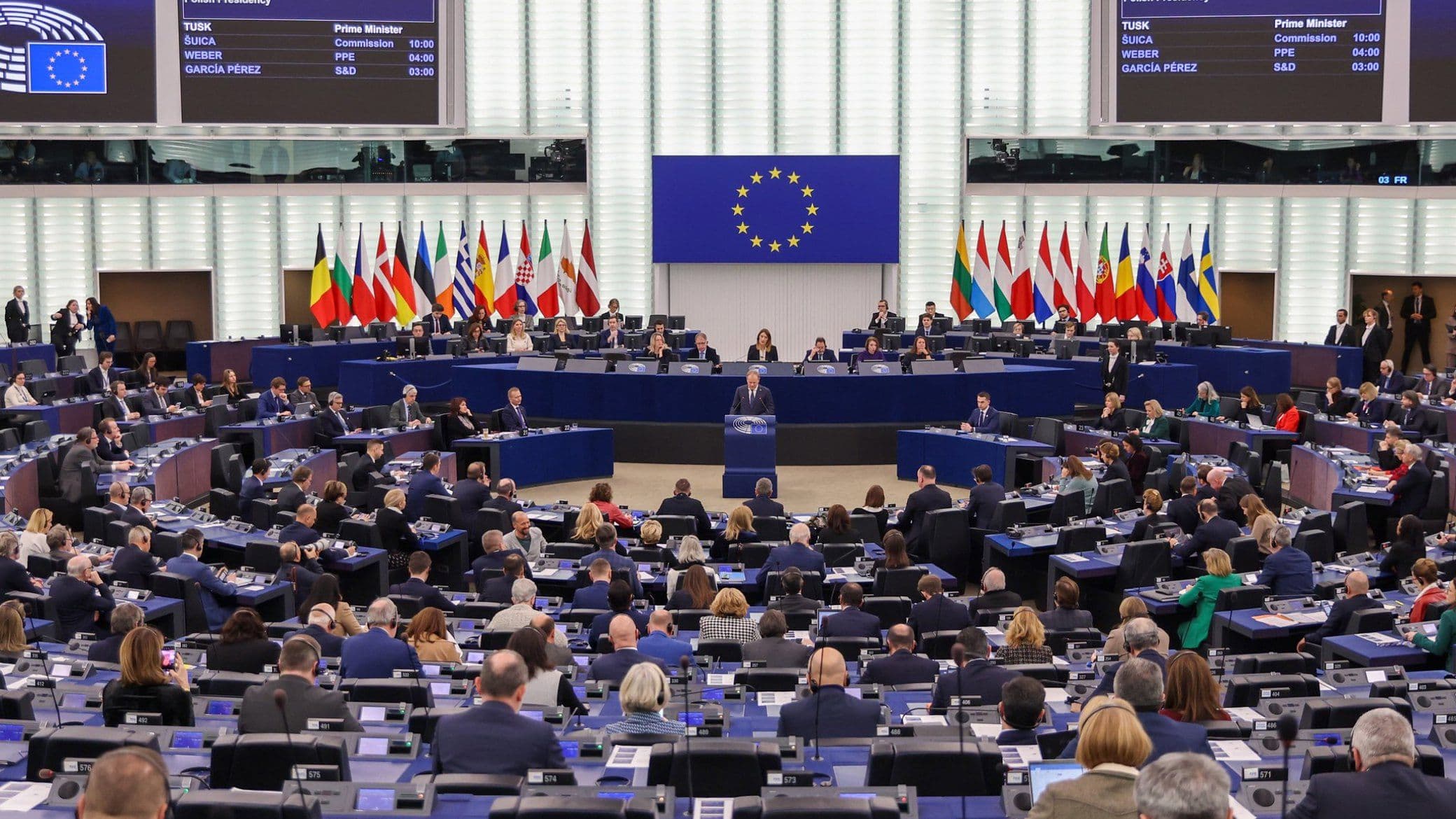
The Commission’s call on energy security and its new defence-industry funding fitted into a broader EU response to external shocks. On 17 March, EU foreign ministers reaffirmed long-term support for Ukraine, adopted additional sanctions against individuals implicated in state violence and war crimes, and reviewed the implications of the Middle East crisis for European security, according to the Ministry for Europe and Foreign Affairs. On 26 March, France’s foreign minister discussed maritime security and further sanctions on Russia with the EU High Representative, reflecting continued attention to sea lanes and sanction enforcement, the Ministry for Europe and Foreign Affairs said. MEPs also stressed the need for energy independence and a united external response in their assessment of the March European Council, the European Parliament reported.
The policy significance reached beyond energy markets. Lawmakers pressed for measures to shield consumers and critical sectors, highlighting political and economic stakes. A written question asked whether the Commission would design a solidarity instrument to help member states protect vulnerable households from a cost-of-living shock linked to Middle East instability, according to the European Parliament. Another question raised potential fertilizer shortages tied to Gulf instability and queried contingency planning to protect farmers from higher input costs, the European Parliament noted. Alongside the EDIP package, separate reporting described plans for a €120 million pilot to speed disruptive defence innovation and deliver grants faster, as Science|Business reported. Together, the Commission’s oil security coordination, industrial measures, and parliamentary scrutiny underscored an EU effort to manage immediate supply risks while reinforcing longer-term security and resilience.