Key Developments
On 31 March 2026, the European Commission adopted a 1.5 billion euro work programme under the European Defence Industry Programme to expand EU defence production and support Ukraine. The plan funded increased manufacturing capacity, collaborative projects, joint procurement, start-up support, and a dedicated Ukraine instrument.
Key Statistics
- 1.5 billion euro total EDIP work programme funding
- 700 million euro for production increase
- 325 million euro for collaborative industrial projects
- 240 million euro for joint procurement support
- 260 million euro for the Ukraine support instrument
- 100 million euro for defence start-ups
- 35.3 million euro for defence innovation programme
Main Body
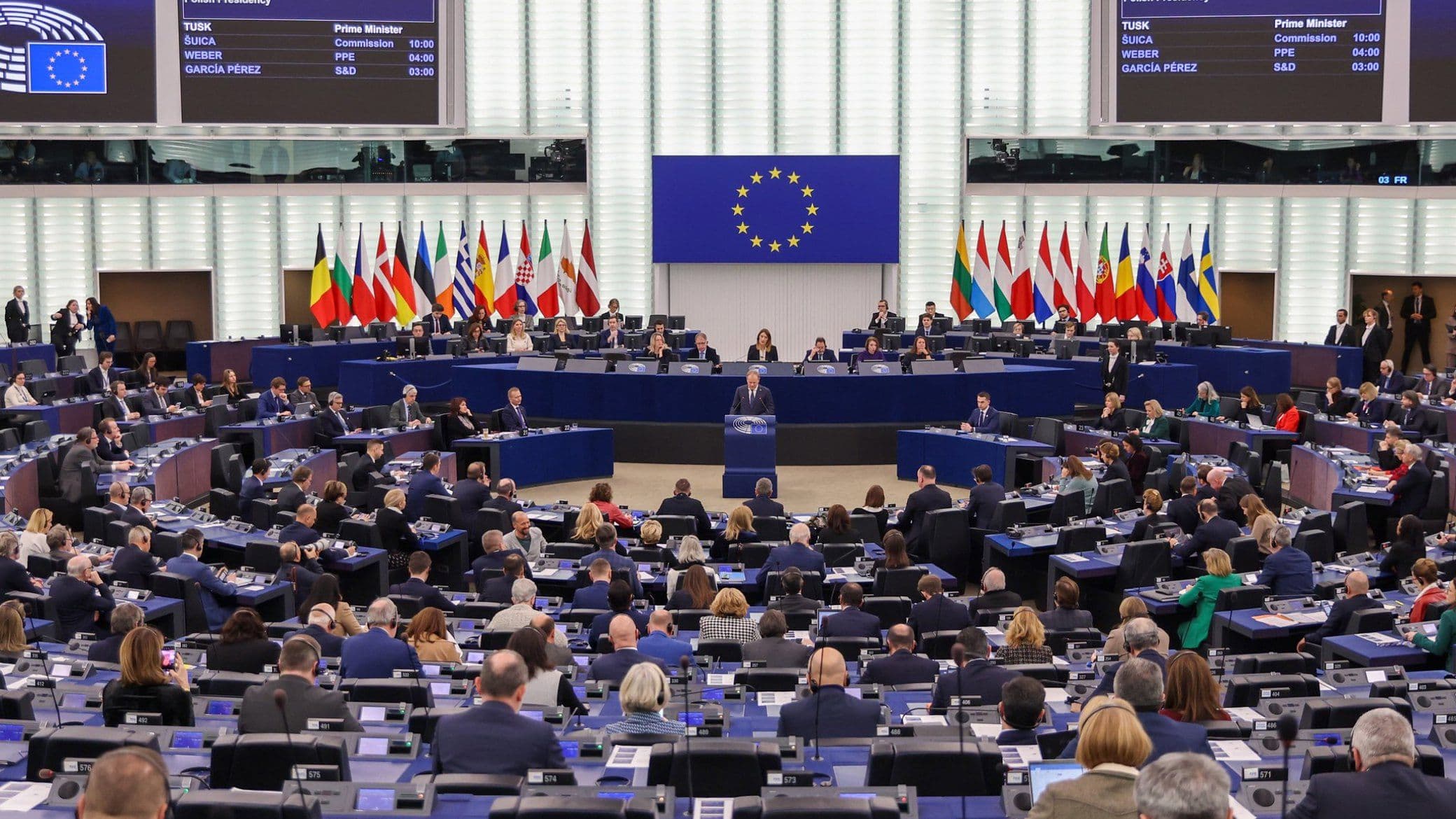
On 31 March 2026, the European Commission adopted a 1.5 billion euro work programme under the European Defence Industry Programme, stating that the package aimed to boost Europe’s defence industrial base and provide support to Ukraine. The Commission said the programme was designed to expand production capacities and accelerate technological advancement across key defence sectors, while channeling targeted assistance to meet Ukrainian requirements.
The Commission outlined specific funding lines that structured the package. It allocated 700 million euros to increase defence production, 325 million euros to collaborative industrial projects, and 240 million euros to support joint procurement, according to the European Commission. The programme set aside 260 million euros for a Ukraine support instrument, and 100 million euros to back defence start-ups. A further 35.3 million euros was assigned to defence innovation activities within the programme framework, the Commission said. Taken together, these measures were intended to shorten lead times, scale manufacturing of critical components and systems, and encourage cross-border industrial cooperation.
The move followed a series of EU defence and security steps in March. On 26 March 2026, the European Commission approved national defence plans under the Security Action for Europe initiative, unlocking 15.09 billion euros for France and 2.06 billion euros for Czechia to strengthen strategic capabilities. Earlier, on 17 March 2026, France’s Minister for Europe and Foreign Affairs participated in the EU Foreign Affairs Council, which reaffirmed long-term support for Ukraine and adopted sanctions against individuals involved in state violence and war crimes, according to the Ministry for Europe and Foreign Affairs. The ministry reported the Council’s focus on Europe’s security strategy and the implications of the Middle East crisis for the war in Ukraine, alongside EU humanitarian efforts in Lebanon and engagement with India.
The industrial push also sat alongside EU actions to safeguard strategic energy security during regional tensions. On 31 March 2026, the European Commission called on Member States to coordinate measures to ensure oil supply security amid Middle East disruption and the closure of the Strait of Hormuz, noting the EU’s emergency oil stocks of roughly 400 million barrels and that the EU contributed about 20 percent to International Energy Agency-coordinated stock releases. In parallel, the innovation focus highlighted by EDIP funding aligned with broader efforts to accelerate defence R&D, amid Science|Business reporting that the Commission proposed a 120 million euro Agile pilot to speed disruptive defence innovation. Collectively, these measures pointed to a coordinated EU approach to bolster industrial readiness, sustain support to Ukraine, and manage supply-side risks that affect defence logistics and broader security resilience.