Key Developments
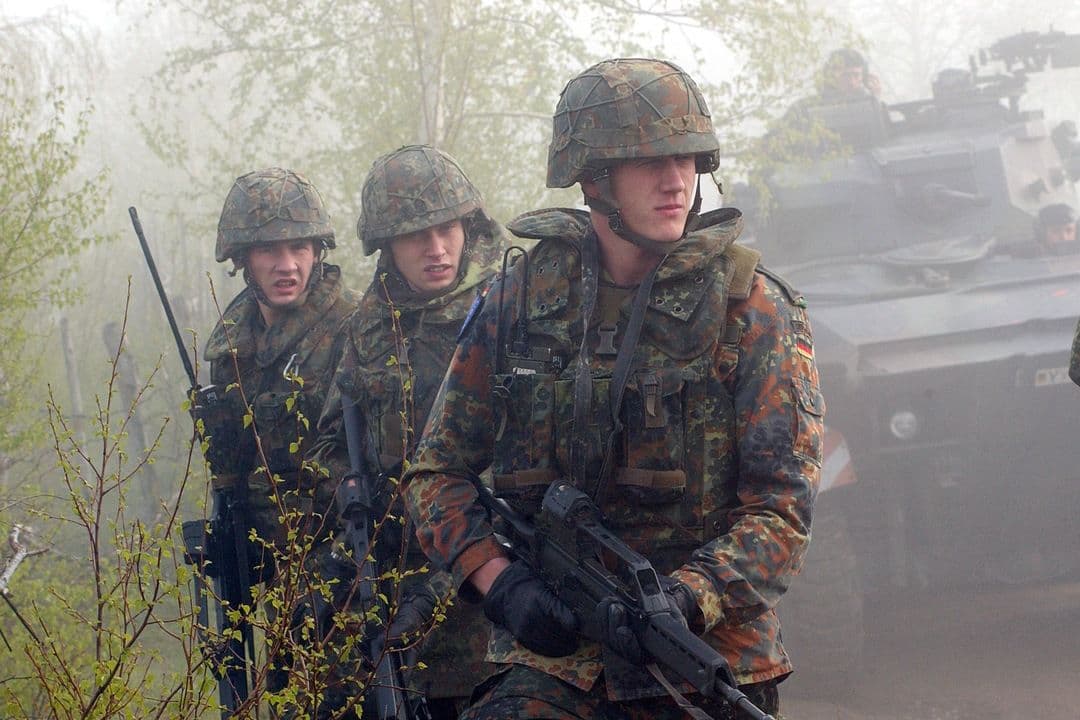
On 26 May 2026, the Bundeswehr announced the Vigilant Roland exercise with over 650 Homeland Protection soldiers to secure train unloadings, convoys and critical infrastructure, a focus it also outlined in a related Bundeswehr notice highlighting reservists and drone training.
Key Statistics
- 650 soldiers participated in Vigilant Roland nationwide security training
- 1,200 soldiers took part in Gelber Merkur mobility drills, historical comparison
- 4 nations tested drones to protect subsea infrastructure in SeaSEC 2026, historical comparison
Main Body
On 26 May 2026, the Bundeswehr said its Homeland Protection Division was conducting the Vigilant Roland exercise to secure rail unloadings, convoy routes and critical infrastructure across Germany. The exercise involved more than 650 soldiers and was framed as essential to maintaining Germany’s capacity as a logistics hub for NATO troop movements, the Bundeswehr reported.
Operationally, Vigilant Roland emphasized object protection, counter‑drone defense and dynamic security tasks that culminated in safeguarding a train unloading, according to a complementary Bundeswehr brief. The Bundeswehr highlighted the prominent role of reservists and the integration of drone operations in training, aligning force protection with evolving aerial threats and the need to keep military mobility corridors secure.
Recent activities underscored continuity in Germany’s domestic defense posture. On 22 May 2026, the Bundeswehr reported SeaSEC 2026 near Warnemünde, where Germany, Denmark, Sweden and the Netherlands tested drones to protect subsea cables and pipelines. On 21 May 2026, the Bundeswehr detailed the Gelber Merkur exercise, involving about 1,200 soldiers practicing rapid relocation of command posts and Service Delivery Points under combat conditions.
The drill reinforced physical security of logistics nodes and routes that underpin NATO reinforcement plans through Germany, while highlighting counter‑drone skills and reservist integration. It also took place amid EU Digital Strategy reporting that the NIS2 Cooperation Group adopted common incident‑reporting templates, a step aimed at improving cyber resilience that complements physical protection of critical infrastructure and transport networks.