Key Developments
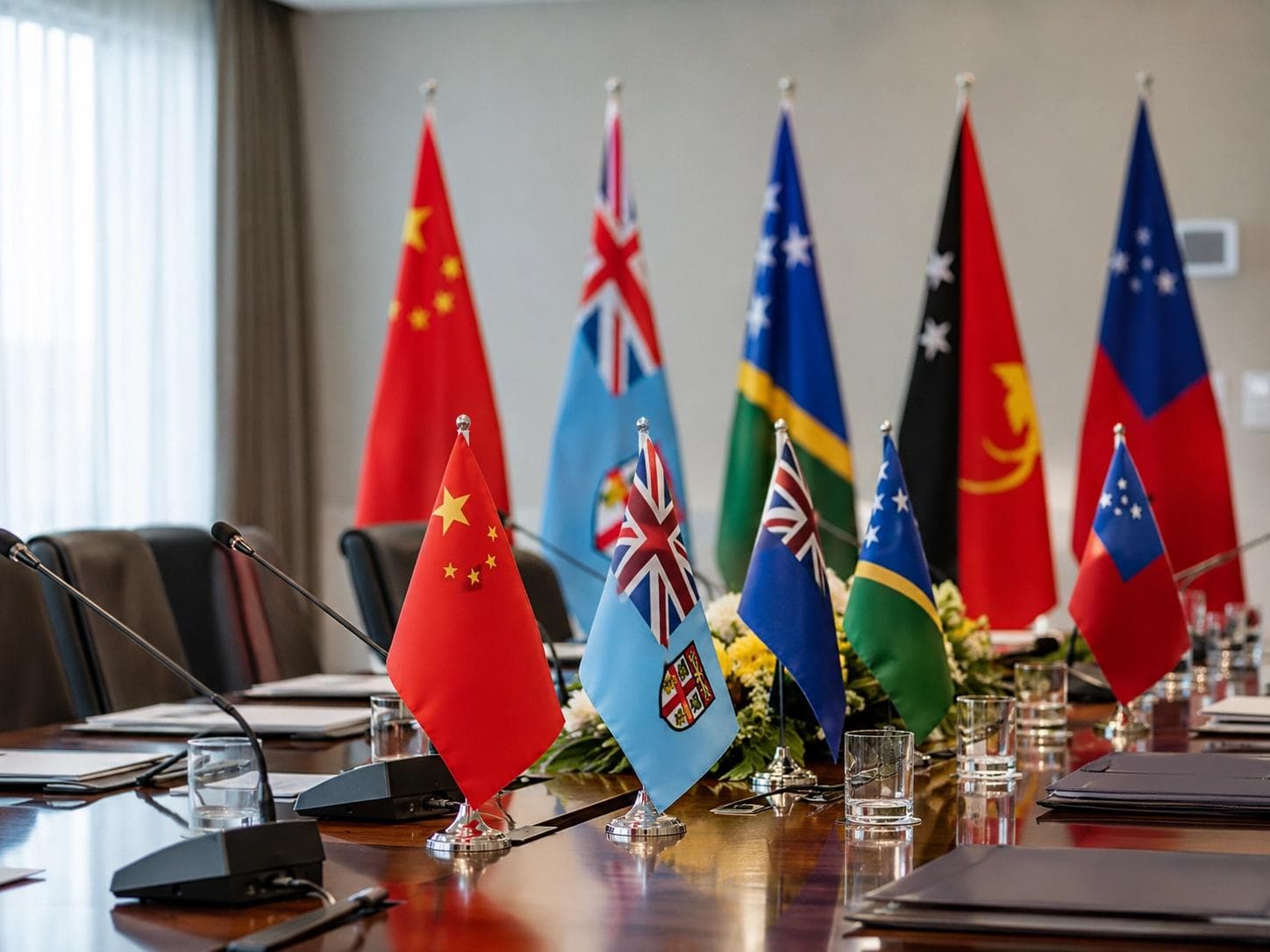
On 6 September 2026, Ministers and Assistant Ministers (DFAT) said 36 Australians remained unaccounted for in Nepal and 47 personnel had been deployed to support rescue work, including 15 drone operators. The same interview said Australia was also focused on de-escalation in conflicts affecting domestic costs and on Pacific Islands Forum concerns over China’s influence.
Key Statistics
- 36 Australians remained unaccounted for in Nepal, according to Ministers and Assistant Ministers (DFAT)
- 47 Australian personnel had been deployed to assist rescue efforts, according to Ministers and Assistant Ministers (DFAT)
- 15 drone operators were sent as part of the rescue support, according to Ministers and Assistant Ministers (DFAT)
- Historical comparison: 43 Australians were unaccounted for in an earlier update from the Minister for Foreign Affairs
- Historical support: A$8 million in Australian government assistance had been committed, according to the Minister for Defence
Main Body
On 6 September 2026, Assistant Minister for Foreign Affairs and Trade Matt Thistlethwaite said in a Ministers and Assistant Ministers (DFAT) interview that 36 Australians remained unaccounted for after flooding in Nepal and that Australia had deployed 47 personnel to support rescue operations.
The Ministers and Assistant Ministers (DFAT) account said the deployed team included 15 drone operators, indicating that Australia’s response combined consular tracing with technical search support. In the same interview, Thistlethwaite discussed de-escalation in conflicts affecting Australians through cost pressures and addressed concerns around China’s influence in the Pacific Islands Forum.
The update followed a series of Australian government statements on the Nepal crisis. On 31 August 2026, the Minister for Foreign Affairs said 43 Australians were unaccounted for and 1 Australian had been confirmed dead. On 30 August 2026, the Minister for Defence said Australia’s humanitarian support had reached A$8 million and that the Royal Australian Air Force would help move emergency supplies requested by Nepal.
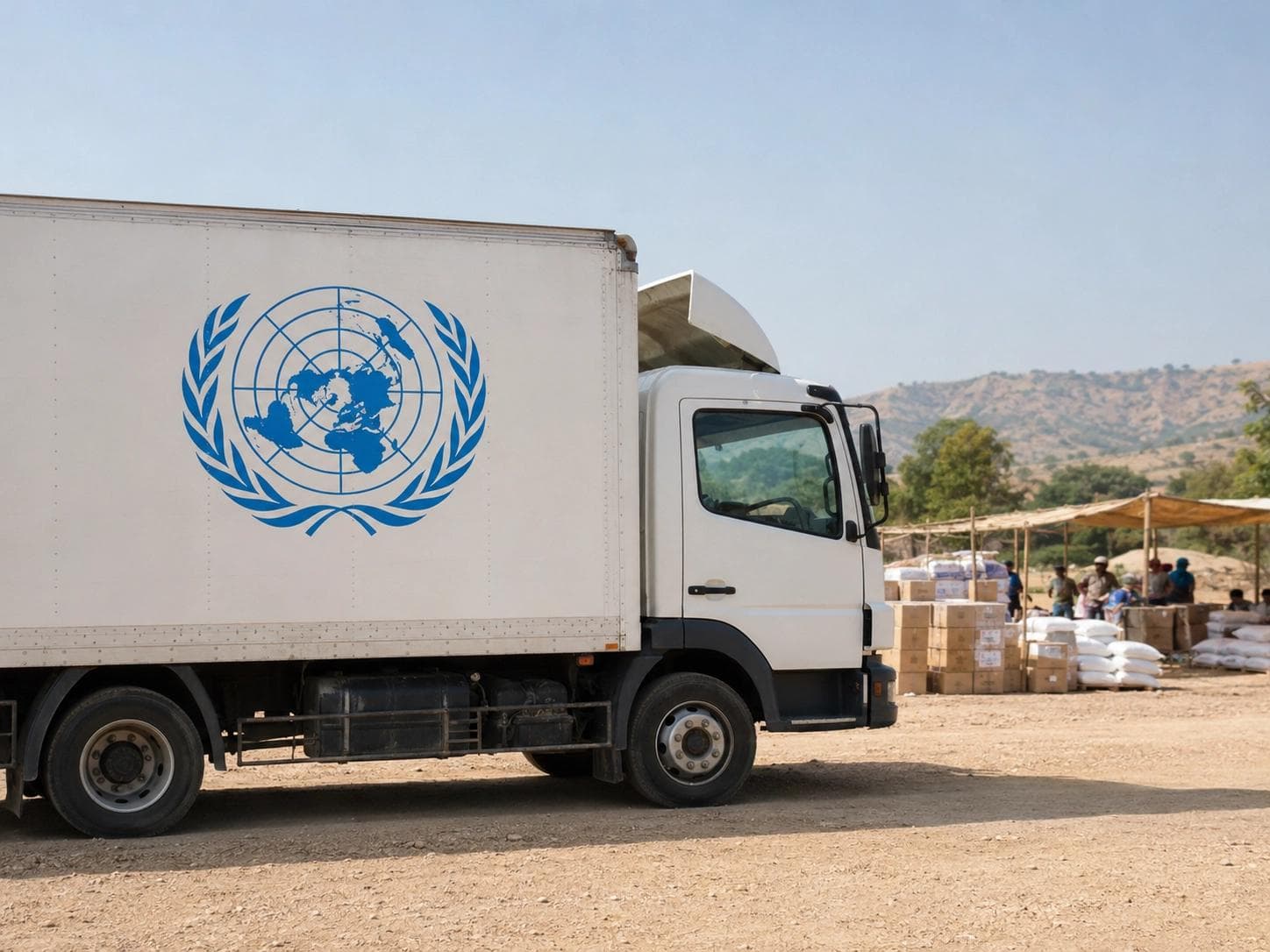
The development mattered because it linked emergency consular work, humanitarian logistics and regional diplomacy in one foreign affairs agenda. An OCHA situation report cited access constraints affecting aid delivery in Nepal, which made personnel, air transport and search capability practically important. The Pacific Islands Forum comments also placed the Nepal response within Australia’s broader effort to manage regional security and diplomatic pressure.