Key Developments
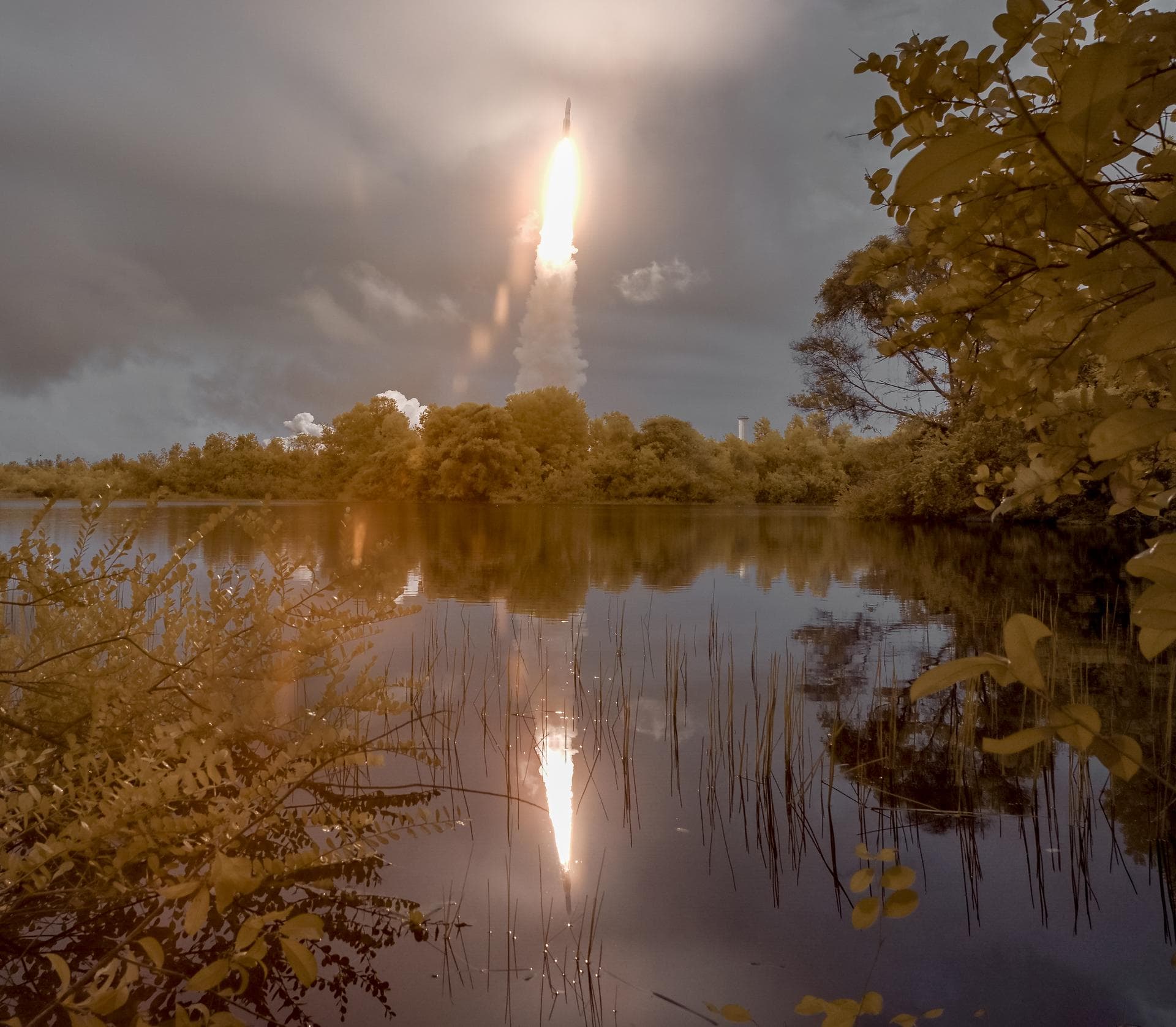
On 24 April 2026, the Department of War said the Armed Forces Medical Examiner System supported NASA's Artemis II by providing forensic pathology and logistical capabilities to ensure immediate medical and investigative readiness in the event of a mishap.
Key Statistics
- 1 Navy dive medical recovery team provided initial care after splashdown, according to the Department of War
- 252,756 miles maximum distance from Earth reached by Artemis II, as Ars Technica reported
Main Body
On 24 April 2026, the Department of War said the Armed Forces Medical Examiner System supported NASA's Artemis II mission by providing essential forensic pathology and logistical support. The department said this posture ensured immediate medical and investigative readiness in the event of a mishap during the crewed operation.
According to the Department of War, AFMES enabled rapid medical and investigative response options by aligning forensic expertise and logistics for contingency scenarios tied to crewed launch and recovery. The statement framed these measures as a readiness function designed to safeguard personnel and preserve evidence integrity if an incident occurred.
This support followed earlier recovery-phase medical actions on the mission. On 13 April 2026, the Department of War said a Navy dive medical recovery team acted as first responders for the Artemis II crew, providing initial assessments and assistance after splashdown off the coast of San Diego. The department’s accounts indicated a continuum of defense medical involvement from recovery to contingency preparedness.
The emphasis on medical and forensic readiness accompanied a high-profile human spaceflight, amid Ars Technica reporting that Artemis II set a new human distance record of 252,756 miles from Earth. The Department of War’s description of AFMES activity highlighted interagency coordination that supported crew safety assurance and mishap investigation capability for deep space operations.