Quick Brief
On 18 June, Ukraine struck a Moscow oil refinery with drones, disrupting flights and signaling an expanding deep‑strike campaign against Russian energy infrastructure, according to AP News. Russian attacks on Kharkiv on 15 and 20 June killed civilians, underscoring persistent risk to urban areas and emergency response demands, AP News reported. On 14 June, the UK said it intercepted a Russian "shadow fleet" tanker and assessed that such vessels carry most sanctioned oil, signaling tighter maritime enforcement by London, per the UK government.
Cross-border strikes hit Moscow refinery and Kharkiv
Ukraine's use of long‑range drones to hit energy assets around the Russian capital coincided with lethal Russian strikes on civilian areas in Kharkiv. The pattern highlights simultaneous pressures on energy infrastructure and urban populations on both sides of the border.
Key developments
- (18 June 2026) Ukraine hit an oil refinery in Moscow with a drone attack, according to AP News.
- (18 June 2026) The operation disrupted commercial flights serving Moscow, AP News reported.
- (20 June 2026) A Russian strike hit a residential building in Kharkiv, killing one person, according to AP News.
- (20 June 2026) Emergency services carried out rescue and recovery operations in Kharkiv, AP News reported.
- (15 June 2026) Earlier Russian strikes in Kharkiv killed five people, according to AP News.
UK moves against Russia’s oil ‘shadow fleet’
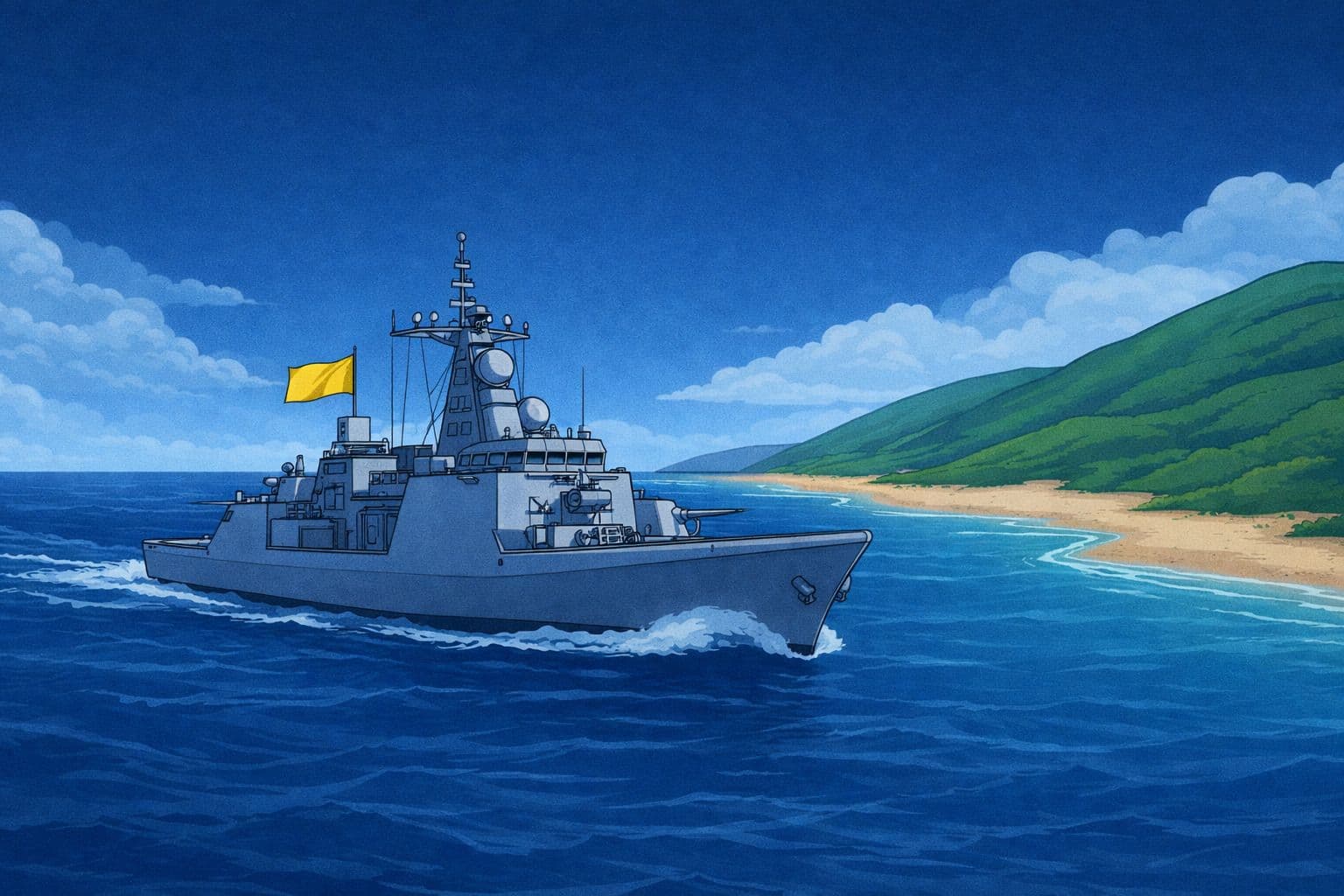
London linked maritime enforcement actions to efforts to choke sanctioned revenue streams that support Russia’s war economy. The move targets a fleet of older tankers operating outside standard insurance and transparency norms, which the UK says carries most sanctioned volumes.
Key developments
- (14 June 2026) The UK said its forces intercepted a "shadow fleet" vessel for the first time, according to the UK government.
- (14 June 2026) The "shadow fleet" carries about 75% of Russia’s sanctioned oil exports, the UK government reported.
- (14 June 2026) Officials framed the interception as constraining revenue flows to Moscow, per the UK government.