Quick Brief
This week in environmental affairs, marine mammal rescue efforts in Europe underscored the complexities of wildlife conservation amid changing ocean conditions. In the United States, legal and regulatory debates intensified over proposed exemptions for Gulf oil and gas drilling from the Endangered Species Act, raising concerns about species protection. Meanwhile, experts issued stark warnings about the long-term environmental and health consequences of the ongoing conflict in Iran. Complementing these geopolitical and policy issues, new scientific findings revealed the extensive global costs of U.S. carbon emissions and emerging links between climate change and antibiotic resistance, emphasizing the interconnected nature of environmental challenges.
Marine Mammal Conservation Faces Renewed Challenges
Recent events in the Baltic Sea and along the German coast have brought attention to the fragile state of marine mammals and the difficulties inherent in rescue operations. A humpback whale that was freed by rescuers in the Baltic Sea became stranded again shortly after release, prompting authorities and volunteers to monitor the situation closely and consider further intervention, according to Ground News. This repeated stranding highlights concerns about the whale’s health and the broader challenges of marine mammal rescue in the region.
Similarly, a whale stranded for several days on a beach at Timmendorfer Strand in Germany eventually swam back to freedom, as reported by Ground News. Local responders and volunteers played a critical role in monitoring and supporting the animal during this period. These incidents underscore the ongoing vulnerability of marine species to environmental stressors and human impacts.
Adding to the understanding of marine mammal social behavior, researchers documented an unprecedented observation of sperm whales cooperating during a birth event. Other whales actively supported the mother and newborn throughout the process, revealing complex social coordination and maternal care, according to NPR. This insight into cetacean social dynamics may inform conservation strategies by emphasizing the importance of social structures in marine mammal populations.
In a related ecological success story, a community fishery in Cambodia rebounded after local fishermen planted mangroves that restored juvenile fish habitats. This nature-based restoration improved fish stocks and catches, offering a replicable model for climate adaptation and fisheries conservation, as detailed by NPR. Together, these developments illustrate both the challenges and opportunities in marine and coastal ecosystem management.
U.S. Oil and Gas Policy Sparks Legal and Environmental Debate
In the United States, the Trump administration’s efforts to exempt Gulf of Mexico oil and gas projects from the Endangered Species Act (ESA) protections have stirred significant controversy. The administration proposed reducing or eliminating consultation and mitigation requirements for protected species to accelerate energy development, according to AP News. Environmental groups challenged this move, arguing it threatens vulnerable species and undermines conservation laws.
A federal judge declined to block a scheduled meeting between government officials and industry representatives that could lead to formal exemptions from the ESA, allowing the process to proceed while litigation continues, as reported by AP News. This ruling reflects the ongoing tension between economic development priorities and environmental protection mandates. The outcome of this legal and regulatory battle will have significant implications for species conservation in the Gulf region and potentially set precedents for future energy policy decisions.
Long-Term Environmental and Economic Impacts of Conflict and Emissions
Experts have issued grave warnings about the enduring environmental toll of the ongoing war in Iran. According to reports from Ground News and AP News, the conflict has caused widespread contamination of soil and water, destruction of ecosystems, and damage to critical infrastructure. These impacts are expected to persist for decades, complicating recovery efforts and posing long-term risks to public health and agriculture.
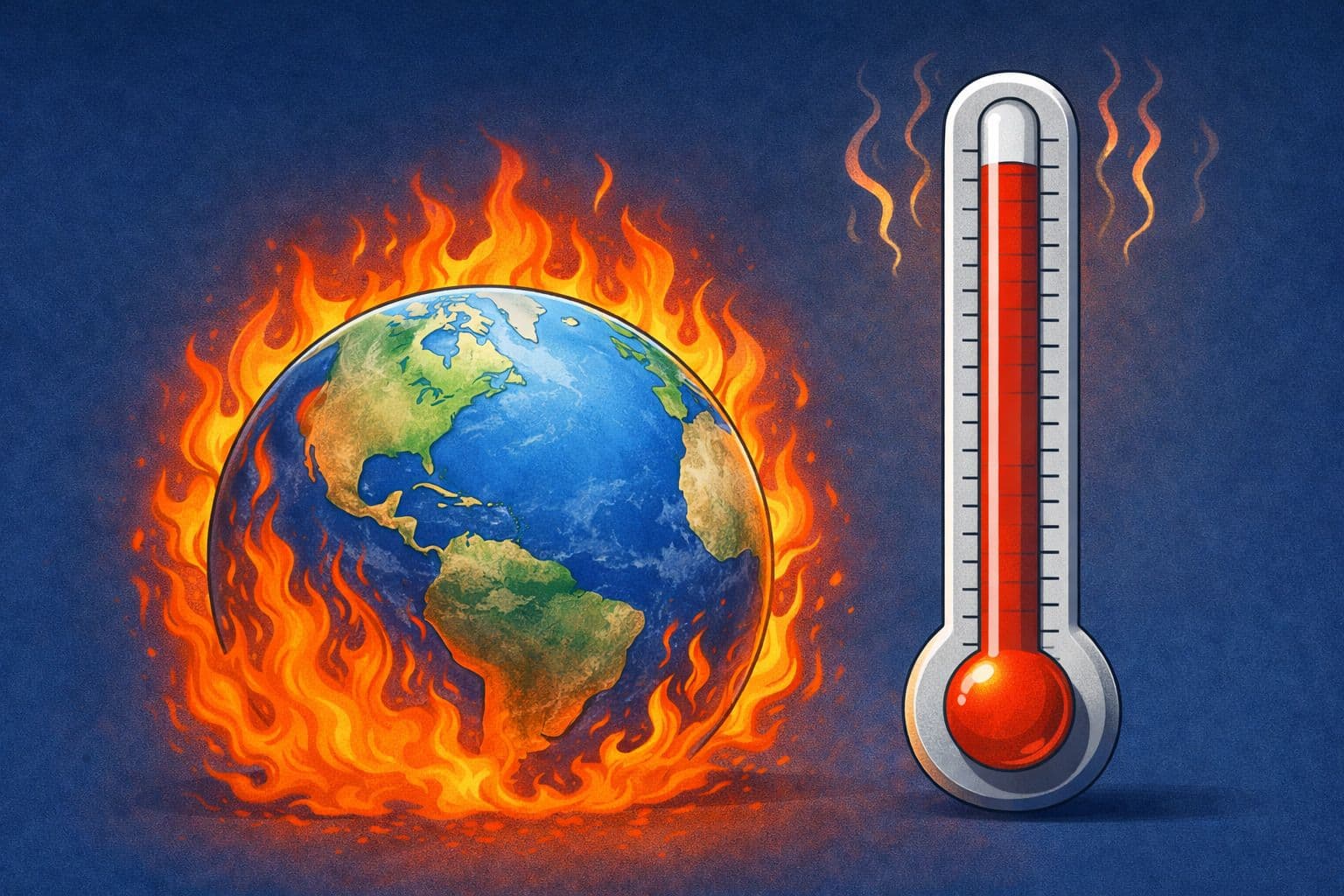
In parallel, a Stanford University study quantified the global economic costs of historical U.S. carbon emissions at approximately $10 trillion. This figure encompasses damages from extreme weather events, health effects, and economic disruptions worldwide, highlighting the extensive externalities of U.S. emissions on international communities, as detailed by Ground News.
Further linking climate change to public health concerns, new research reported by NPR reveals that drought and altered environmental conditions can increase the prevalence of antibiotic-resistant bacteria and resistance genes in soils. Drying soils may concentrate and mobilize these microbes, raising potential risks for human and animal health. This intersection of climate impacts and antimicrobial resistance underscores the complexity of environmental health challenges in a warming world.
Conclusion
This week’s environmental developments reveal a multifaceted landscape where wildlife conservation, energy policy, and global ecological health intersect. The repeated stranding and rescue of whales in Europe highlight both the vulnerability of marine species and the importance of coordinated conservation efforts. In the U.S., the debate over exemptions from the Endangered Species Act for Gulf oil and gas projects exemplifies the ongoing struggle to balance economic interests with environmental protection.
Meanwhile, the long-lasting environmental damage from conflict in Iran and the staggering global costs of carbon emissions emphasize the far-reaching consequences of human actions on ecosystems and societies. Emerging scientific insights into the links between climate change and antibiotic resistance further illustrate the interconnectedness of environmental and public health issues.
Together, these stories underscore the urgent need for integrated approaches to environmental stewardship that consider ecological, economic, and social dimensions on a global scale.