Quick Brief
This week’s environmental landscape is marked by significant findings and evolving narratives across marine biology, climate science, energy policy, and technological innovation. Key insights include the evolutionary downsizing of fish populations threatening global food security, an expanded understanding of populations vulnerable to rising sea levels, and subtle but measurable changes to Earth's rotation linked to climate change. Concurrently, geopolitical tensions have reignited debates over Arctic oil drilling, while legal and environmental scrutiny intensifies around infrastructure failures and deep-sea mining. Advances in artificial intelligence promise more energy-efficient weather forecasting, offering a potential pathway to reduce emissions in climate science operations. Together, these stories illustrate the complex and dynamic nature of environmental challenges and responses worldwide.
Smaller Fish, Bigger Threats to Food Security
Recent research has revealed a concerning trend: many fish species are evolving toward smaller body sizes. This shift is primarily driven by intense fishing pressures combined with environmental changes, leading to a reduction in the average size of fish populations globally. Smaller fish sizes translate directly into lower harvest yields, which could exacerbate existing pressures on global food supplies, particularly for communities heavily reliant on fisheries for nutrition and economic livelihood.
This evolutionary response threatens the productivity and sustainability of fisheries, raising alarms about future food security. The implications extend beyond ecological concerns to socio-economic stability in regions dependent on seafood. As fish populations shrink, the balance of marine ecosystems may also be disrupted, potentially triggering cascading effects on biodiversity and ocean health Fish Evolution and Food Supply.
Understanding and mitigating these pressures require integrated management strategies that address both environmental stressors and fishing practices to sustain fish stocks and protect vulnerable communities.
Rising Seas: More People at Risk Than Previously Estimated
A new study has significantly revised upward the number of people globally who are vulnerable to coastal flooding due to rising sea levels. The findings indicate that millions more individuals live in areas at risk than prior estimates suggested, intensifying concerns about the resilience of coastal cities and infrastructure.
This expanded risk profile has profound implications for urban planning, disaster preparedness, insurance markets, and government policy. Countries with extensive coastlines and large coastal populations—including the United States, Bangladesh, India, China, Indonesia, Vietnam, the Philippines, the Netherlands, and Egypt—face heightened challenges in adapting to these changes.
The study underscores the urgency of updating adaptation measures and investing in resilient infrastructure to mitigate the socio-economic impacts of climate-induced sea level rise. It also highlights the need for international cooperation to support vulnerable regions and populations Rising Seas Study.
Earth's Days Lengthen as Climate Change Alters Planetary Dynamics
Scientists have identified a subtle but measurable lengthening of Earth's days, attributed to climate change-induced redistribution of mass on the planet. Melting ice sheets and altered water storage patterns are shifting Earth's rotation dynamics, causing the duration of a day to increase incrementally.
While the effect is small, it reflects long-term systemic changes rather than abrupt fluctuations, providing a novel indicator of the planet’s response to environmental stressors. This phenomenon offers researchers a unique lens through which to study the interconnectedness of climate processes, geophysical changes, and their broader implications.
Such findings enhance our understanding of climate change’s multifaceted impacts, extending beyond temperature and weather patterns to fundamental planetary mechanics Earth’s Day Length Study.
Unlocking Ocean Data to Propel Sustainable Blue Economies
Experts convening at the World Ocean Summit in Montréal emphasized the critical need for open sharing and reuse of oceanographic data. Currently, much ocean research data remains siloed, inaccessible, or fragmented, limiting its utility for policymaking, conservation, and economic development.
Improving data accessibility and interoperability can accelerate scientific discovery, enhance marine ecosystem protection, and support sustainable growth of blue economies. This approach encourages collaboration across institutions and sectors, fostering innovation in marine resource management and environmental stewardship.
The call for transparent data practices aligns with global efforts to harness technology and knowledge-sharing to address ocean health challenges effectively Ocean Data Sharing.
Arctic Energy Ambitions Amid Geopolitical Shifts
Renewed geopolitical tensions in the Middle East have prompted Norway to revisit its plans for expanding oil and gas exploration in the Arctic. Norwegian leaders and industry stakeholders view Arctic drilling as a strategic move to enhance energy security and diversify supply sources.
This development has reignited debates balancing economic opportunity against environmental risks and Indigenous rights. The Arctic’s fragile ecosystems and the cultural heritage of Indigenous peoples face potential threats from increased industrial activity.
The situation exemplifies the complex trade-offs between energy demands and environmental conservation, highlighting the need for inclusive dialogue and rigorous impact assessments in policymaking Norway Arctic Drilling.
Environmental and Cultural Stewardship in the American Southwest
A reassessment of Georgia O’Keeffe’s legacy reveals a more nuanced understanding of the New Mexico high desert landscape she famously depicted. While O’Keeffe described the region as “my country,” recent perspectives emphasize the longstanding presence and cultural significance of the Pueblo peoples.
Conservation and heritage efforts are increasingly incorporating Indigenous histories and viewpoints, fostering more inclusive approaches to land protection. This shift enriches cultural narratives and supports collaborative stewardship models that respect both artistic heritage and Indigenous sovereignty.
Such integrative conservation strategies serve as a model for reconciling cultural preservation with environmental protection Georgia O’Keeffe Legacy.
Infrastructure Failures Spur Legal and Environmental Action
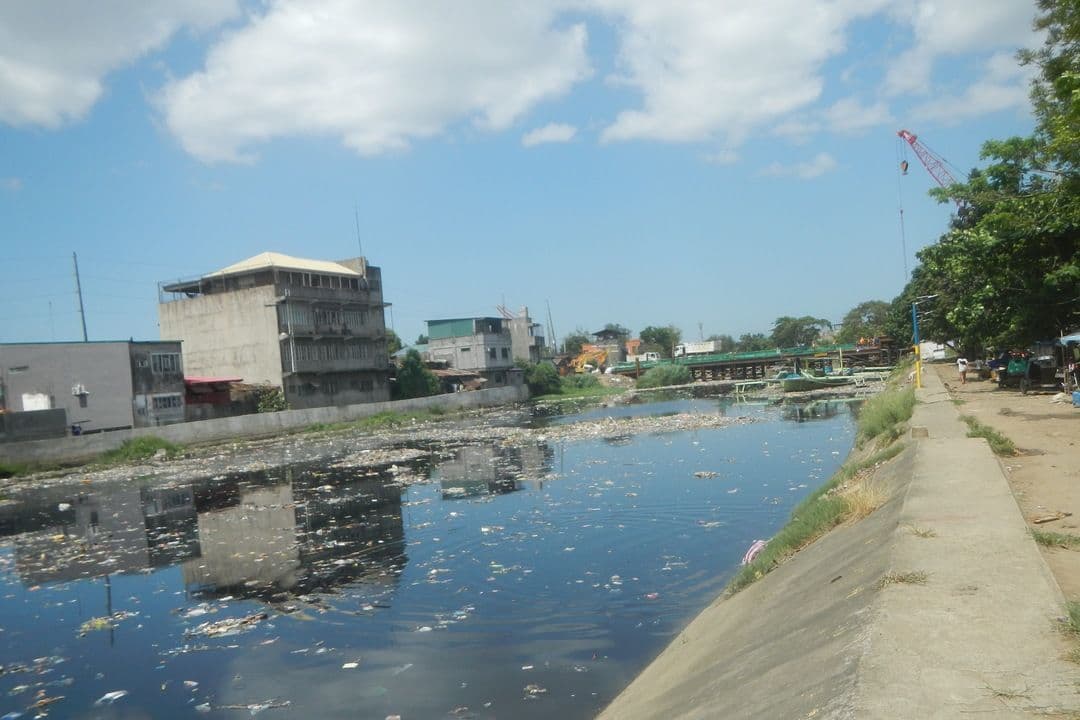
Following a sewage spill caused by a collapsed sewer line in Maryland, a class-action lawsuit has been filed addressing environmental contamination and public health concerns. The incident released raw sewage into the Potomac River, prompting community outcry and scrutiny of aging infrastructure.
Repair efforts have resumed after weather-related delays, but the event highlights broader challenges in maintaining and upgrading critical utilities to prevent environmental damage. It also underscores the importance of regulatory oversight and accountability in safeguarding water quality and ecosystem health Potomac Sewage Lawsuit.
Deep-Sea Mining: Balancing Resource Demand and Ecosystem Protection
As global demand for critical minerals grows, countries are negotiating international frameworks to regulate deep-sea mining. However, the United States is advancing unilaterally by accelerating environmental reviews to facilitate commercial mining operations.
This approach has raised concerns about potential harm to fragile deep-ocean ecosystems, which remain poorly understood and vulnerable to disturbance. The tension between resource extraction and environmental protection highlights the need for comprehensive, science-based governance to ensure sustainable practices.
The outcome of these negotiations will shape the future of ocean resource management and the balance between technological advancement and conservation Deep-Sea Mining Impact.
Alpine Ice Loss and Technological Advances in Weather Forecasting
Recent reports indicate that 94 out of 96 monitored glaciers in Austria have retreated over the past two years, signaling accelerated ice loss in the Alps. This trend threatens water resources, mountain ecosystems, and tourism industries dependent on stable glacial environments.
In parallel, a study has demonstrated that artificial intelligence (AI)-based weather models consume approximately 21 times less energy than traditional forecasting systems. This breakthrough suggests AI could dramatically reduce the carbon footprint of meteorological operations while maintaining or improving forecast accuracy.
These developments reflect both the urgent environmental challenges posed by climate change and the promising role of technology in enhancing sustainability and resilience Austria Glacier Retreat | AI Weather Models.
Conclusion
This week’s environmental developments reveal a world in flux, where natural systems and human activities intersect with profound consequences. The evolutionary changes in marine life, expanding risks from climate-induced sea level rise, and subtle planetary shifts underscore the pervasive impact of environmental change. Simultaneously, geopolitical dynamics and infrastructure challenges highlight the complexities of balancing economic, social, and ecological priorities.
Emerging technologies, such as AI in weather forecasting, offer hopeful avenues for reducing environmental footprints and enhancing adaptive capacity. Meanwhile, calls for open data sharing and inclusive conservation approaches emphasize the importance of collaboration and knowledge integration.
Together, these stories illustrate the multifaceted nature of environmental stewardship in the 21st century, demanding coordinated action, innovative solutions, and respect for diverse perspectives to safeguard the planet’s future.