Central Development
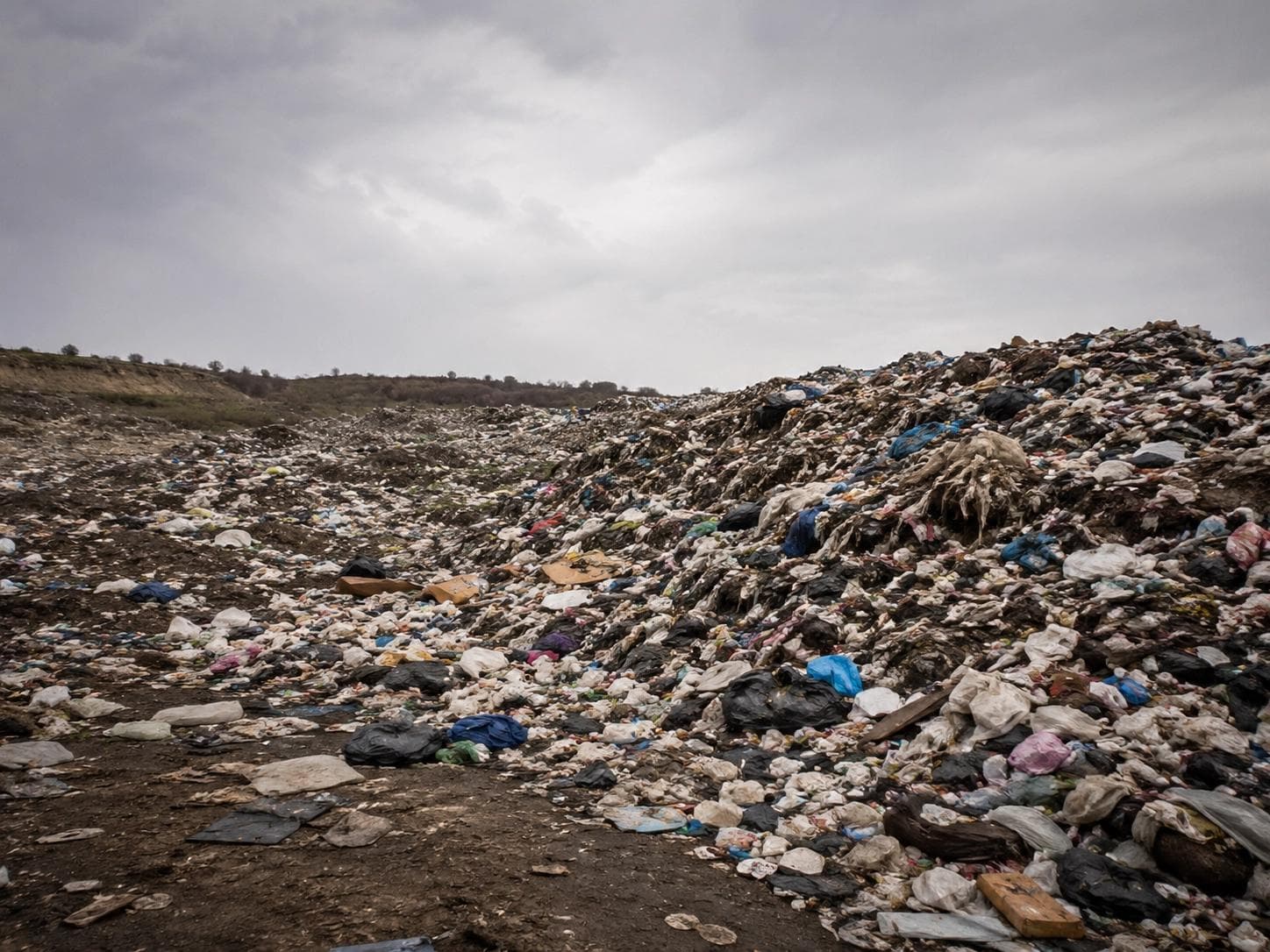
New Zealand’s government on August 17 announced NZ$250,000 in emergency waste funding for five councils affected by severe weather in January and February, according to the New Zealand Government. The grants are intended to help remove damaged household goods and repair local waste infrastructure, and the same release said they follow an earlier NZ$130,000 allocation for councils hit by prior severe-weather events.
Why It Matters
The decision places post-disaster waste management inside the wider adaptation challenge: extreme weather creates immediate public-health and infrastructure burdens after the weather system has passed. New Zealand also appointed Doug Leeder as a facilitator for Tairāwhiti forestry to work with local stakeholders on long-term management and weather-related sector impacts, according to a separate New Zealand Government release. In Europe, a Ground News aggregation reported fires across parts of the continent, including a large Belgian blaze moving toward Germany, deaths reported in Greece and Spain, and evacuations and major firefighting operations.
Perspective
The evidence base points to several linked but distinct environmental governance pressures. New Zealand’s measures are documented through official announcements, while the wildfire picture is drawn from aggregated media reporting and should be read as a fast-moving emergency account rather than a settled damage assessment. The European Commission’s June PFAS talks, led by Commissioner Jessika Roswall with more than 20 stakeholders, focused on regulation, alternatives and remediation, according to the European Commission. Separately, a European Parliament written question raised safety and environmental concerns at Rafina port in Greece, according to the European Parliament.
What to Watch
Whether New Zealand councils publish timelines for waste removal and infrastructure repairs.
- Updates on containment, evacuations and official inquiries tied to fires in Belgium, Greece and Spain.
- Any European Commission follow-up on PFAS restrictions, substitutes or contaminated-site cleanup.
- Recommendations from the Tairāwhiti forestry facilitator on land use, compliance and sector support.