Central Development
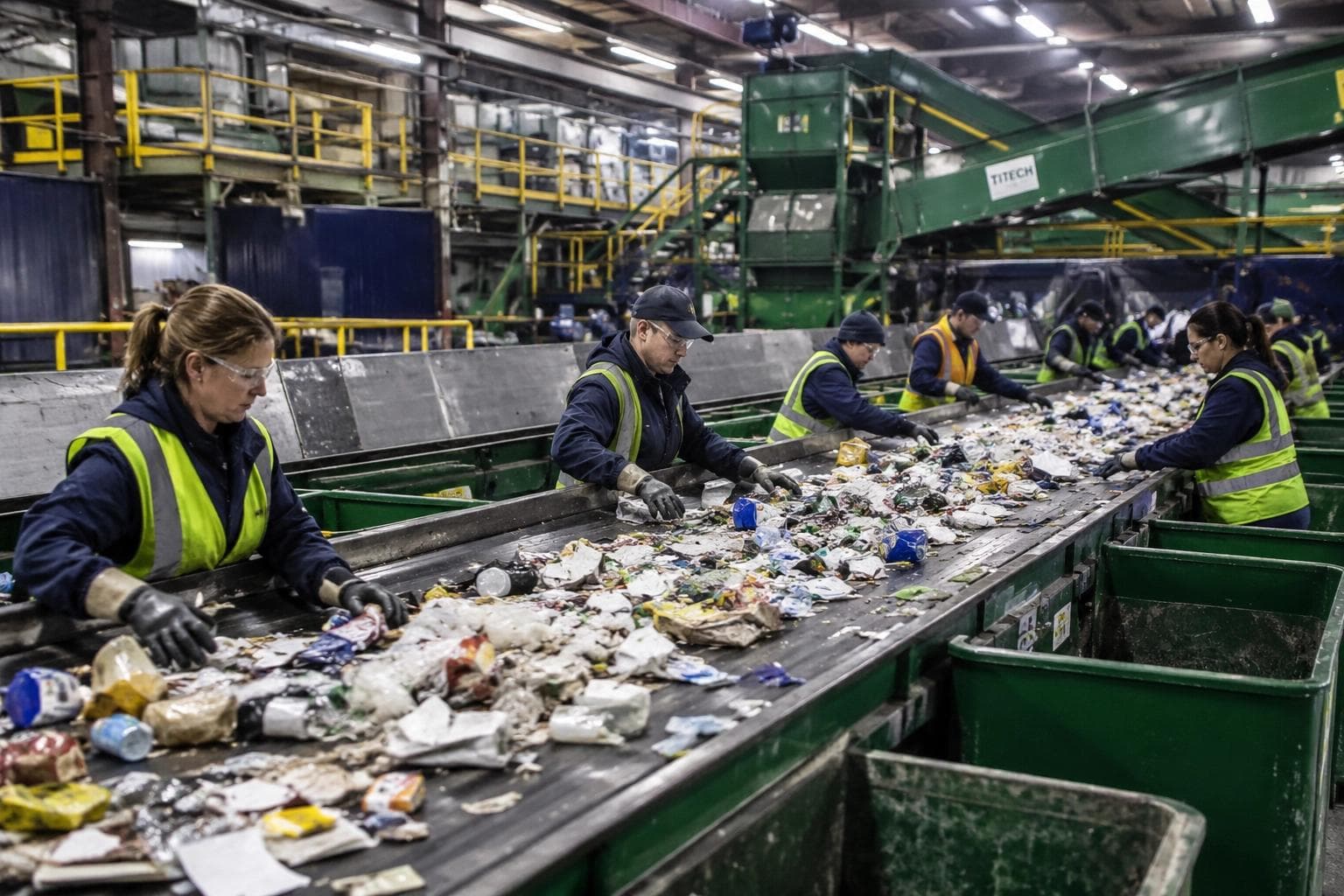
The European Commission moved a major circular-economy file from design toward application on August 12, saying new EU packaging rules will reduce waste and make recycling easier across the bloc, according to the European Commission. The packaging framework requires all packaging to be recyclable by 2030, promotes recycled materials, and will ban certain single-use packaging items by 2030 where sustainable alternatives exist, the European Commission said. A separate Commission notice said the Packaging and Packaging Waste Regulation entered into application across the EU and includes restrictions on PFAS in food-contact packaging, according to the European Commission.
Why It Matters
The measures broaden Brussels’ circular-economy agenda beyond waste reduction into product design, material sourcing, and cross-border business conditions. The Commission said the packaging regulation is intended to harmonize rules across member states, increase recycling, and reduce reliance on virgin materials, according to the European Commission. In a related automotive file, Brussels also set out rules for mandatory recycled-content targets in vehicles and stricter enforcement of vehicle traceability and collection, the European Commission reported. GPS previously reported this as part of the same shift toward applying circularity rules in major consumer and industrial sectors.
Perspective
The central change is not a single ban but a regulatory architecture that links packaging producers, retailers, recyclers, food-contact safety rules, and vehicle manufacturers. The evidence base is official Commission reporting, so it establishes the policy direction and application timeline but does not yet show compliance costs, enforcement patterns, or sector-level adaptation. The automotive component also signals that Brussels is treating secondary raw materials as an industrial-policy issue, not only an environmental one, with the Commission citing resource efficiency, recovery and reuse, and lower dependence on imported raw materials, according to the European Commission.
What to Watch
Member-state enforcement guidance for PFAS limits in food-contact packaging.
- Industry plans for meeting the 2030 recyclable-packaging and single-use packaging requirements.
- The rollout of vehicle recycled-content targets and traceability rules for collection systems.