Central Development
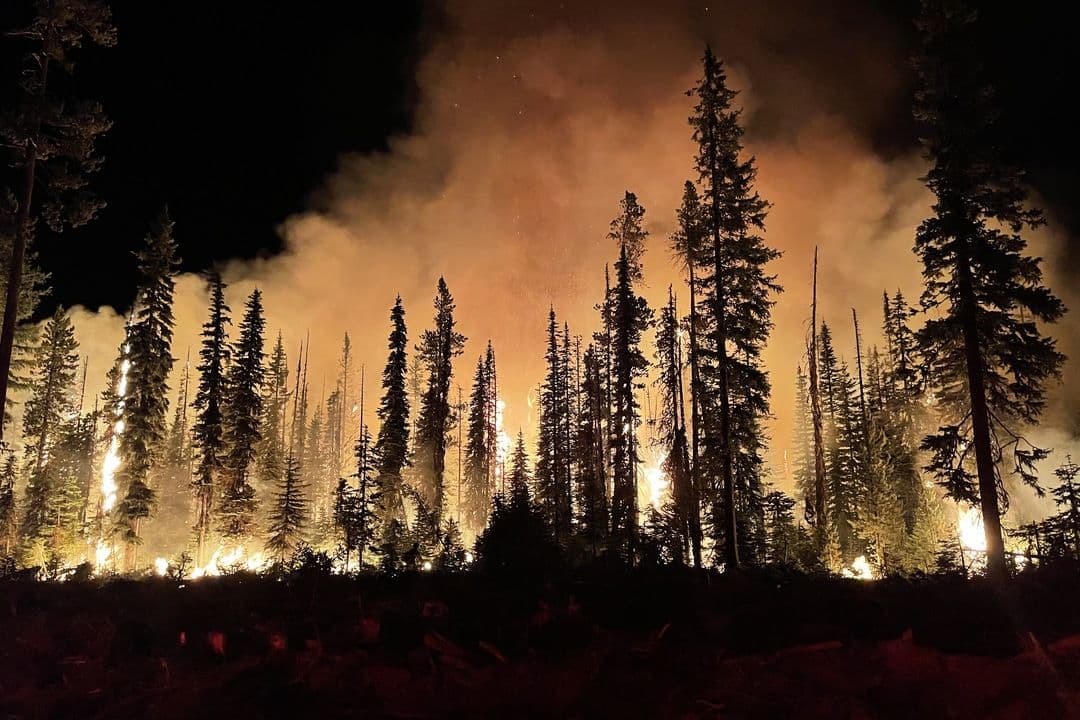
The World Food Programme is widening preparedness and food-assistance planning as El Niño conditions threaten to increase acute hunger, with the event expected to peak from September to December and harvest effects likely to carry through 2027, according to a WFP release carried by ReliefWeb. In Canada, British Columbia declared a state of emergency after wildfires forced about 20,000 people to flee, while authorities ordered evacuations, closed roads and arranged support for displaced residents, AP News reported.
Why It Matters
The two developments show how climate-linked hazards are moving from forecast risk into operational pressure for governments and relief agencies. WFP said drought, flooding and extreme temperatures are already being observed, making pre-positioning and coordination central before the projected peak period. British Columbia’s emergency footing illustrates the domestic governance side of the same risk pattern: evacuation compliance, shelter capacity and transport closures become immediate public-safety tests when fast-moving fires threaten populated areas.
Perspective
The evidence base differs in scope. WFP’s warning is forward-looking and global, tied to expected food-security deterioration and agricultural impacts extending into 2027. The British Columbia case is a confirmed local emergency, with displacement figures and public orders already in effect. Together, they point to a widening policy workload: humanitarian agencies are preparing for delayed food-system effects, while provincial authorities are managing acute evacuations and emergency services.
What to Watch
Whether WFP expands country-level food assistance plans before the September–December peak.
- Changes in harvest-impact assessments that could revise 2027 food-security needs.
- British Columbia updates on evacuation orders, road access and support for displaced residents.