Central Development
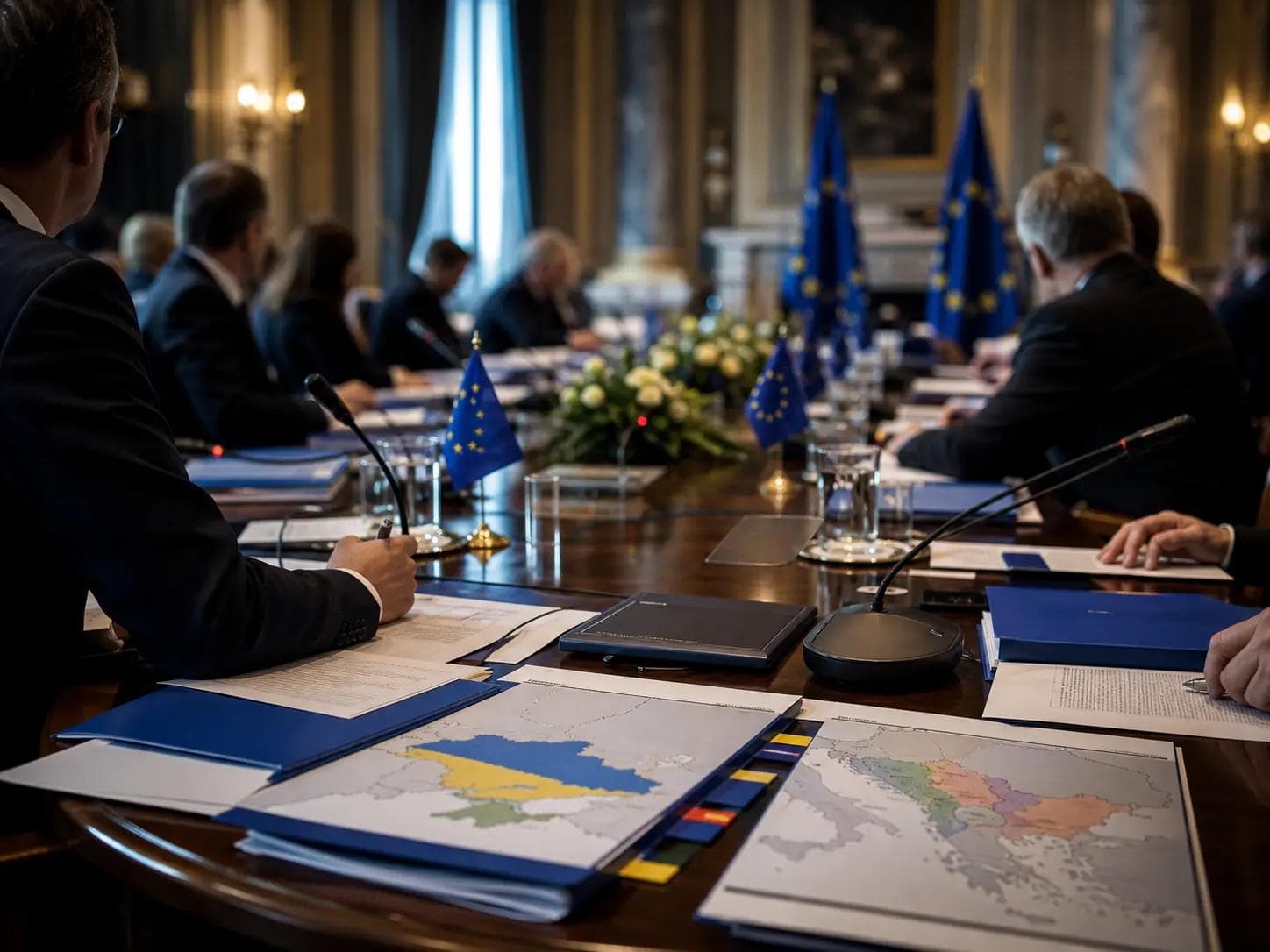
The European Parliament used July 8 accession-related statements to draw a sharper contrast between Serbia and Moldova. In its Serbia assessment, the European Parliament said it was concerned about Belgrade’s commitment to EU values and tied further movement toward membership to measurable reforms. In a separate Moldova report, the European Parliament welcomed the opening of accession negotiations and called for EU support for Moldova’s institutional resilience and democratic processes.
Why It Matters
The statements point to two different political tests inside the EU enlargement track. For Serbia, the European Parliament emphasized rule of law, democratic standards, foreign-policy alignment, and concerns linked to Serbia’s ties with Russia and China. For Moldova, the European Parliament praised reform progress despite Russian interference, making resilience and democratic continuity central to the accession case.
Perspective
The evidence is strongest on the Parliament’s own positioning: Serbia is being framed as a candidate whose path depends on corrective reforms, while Moldova is being framed as a reforming state that needs protection from external pressure. The European Parliament also called for free and fair elections in Serbia to address the country’s political crisis. By contrast, the European Parliament stressed Moldova’s need to counter oligarchic influence and strengthen energy independence from Russia.
What to Watch
Serbia’s response on election conditions, rule-of-law benchmarks, and EU foreign-policy alignment.
- Moldova’s next accession negotiation steps and EU support for institutional resilience.
- Further EU signals on whether reform benchmarks become more explicit for each candidate.