Central Development
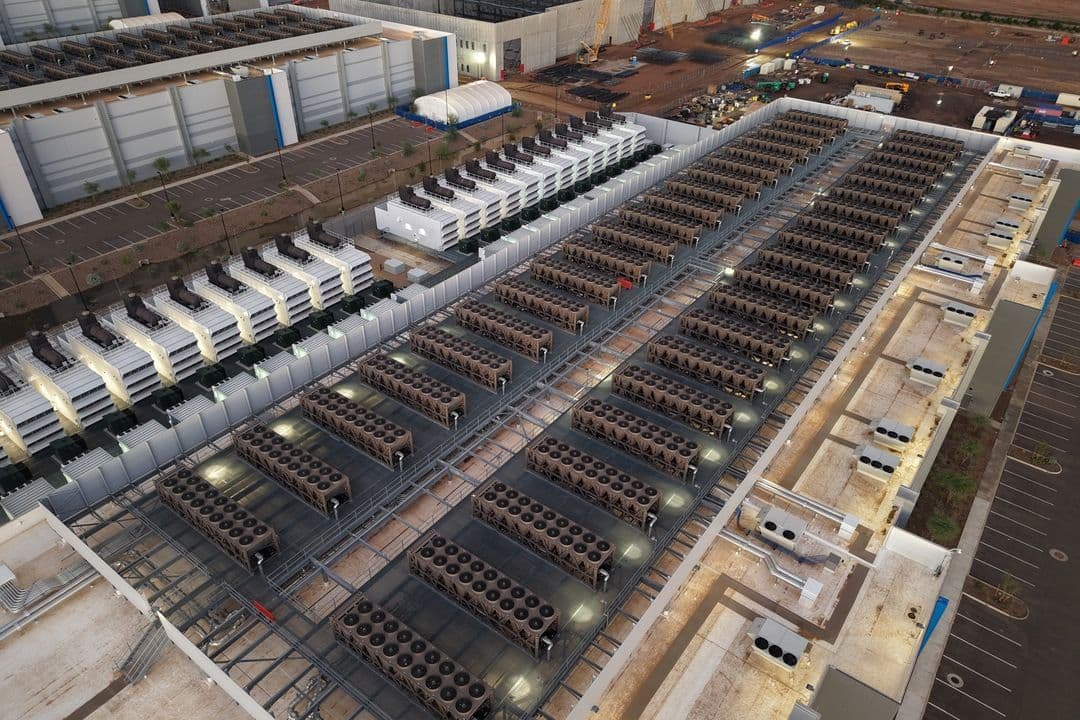
Amazon is planning a Texas data center with an on-site power plant that could become the largest source of climate pollution in the United States, according to TechCrunch. The reported plan has drawn concern over emissions from dedicated power generation and over Amazon’s broader climate footprint as regulators and nearby communities weigh potential impacts, TechCrunch reported.
Why It Matters
The case links two pressure points in environmental politics: rising electricity demand from data infrastructure and the credibility of corporate climate commitments. If a major technology company relies on large on-site generation for a single facility, the permitting process may become a test of how state and local authorities assess industrial power needs against emissions consequences, according to TechCrunch.
Perspective
The evidence base for the Amazon project is concentrated in one reported account, so the key policy questions remain tied to what Amazon, Texas regulators, and local authorities disclose next. The broader regulatory contrast is notable: the European Commission said in July that the EU Ecolabel is intended to connect circular-economy goals with consumer choices by setting sustainability criteria, including durability, reparability, and reduced environmental impact. That EU framework is not about the Texas project, but it shows how environmental policy is moving simultaneously through consumer-product rules and high-emissions infrastructure scrutiny.
What to Watch
Permit filings or emissions estimates for the Texas power plant.
- Any Amazon statement on fuel source, expected output, or mitigation measures.
- Local community comments and state regulatory review timelines.
- Whether the project prompts wider scrutiny of data-center power procurement.