Central Development
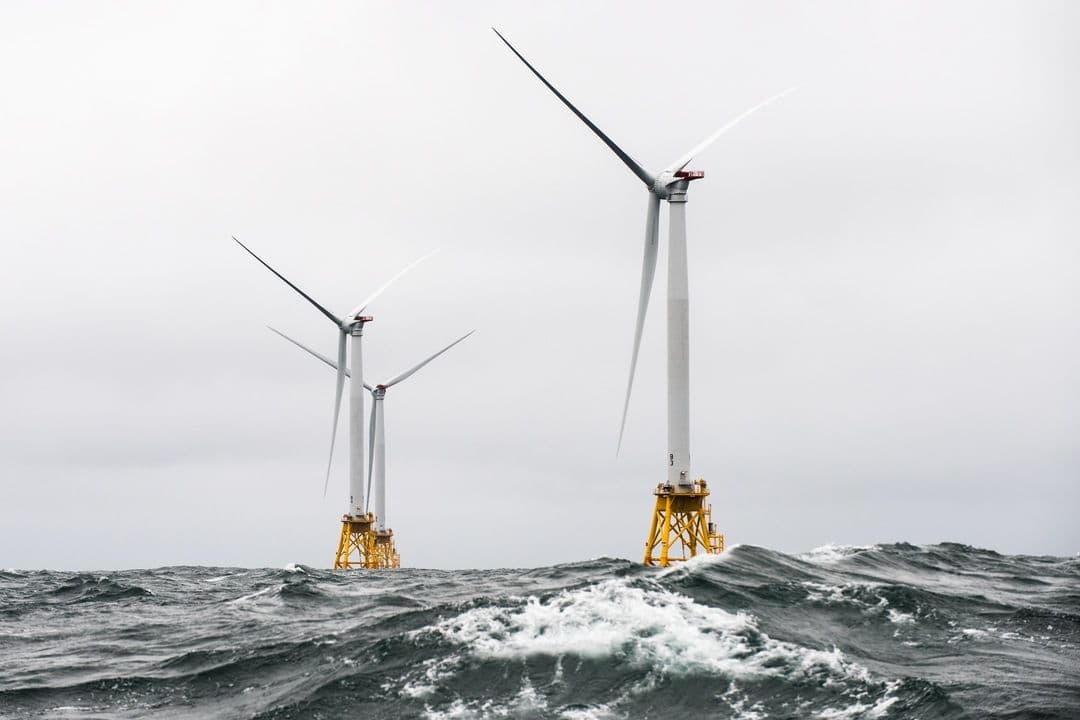
The environmental policy signal split across regions on Aug. 7. In the United States, the Trump administration has spent nearly $4 billion persuading developers to abandon 12 offshore wind leases, and the latest cancellation would cost taxpayers about $1.2 billion, TechCrunch reported. In Malta, the European Commission said the Malta Sustainability Forum 2026 focused on women’s role in the blue economy and on barriers to inclusion in maritime sectors.
Why It Matters
The U.S. offshore wind actions point to a direct federal retreat from a capital-intensive renewable power segment, with near-term effects on project pipelines, lease economics and taxpayer exposure. The Malta forum shows a different policy emphasis: the European Commission framed blue economy growth around innovation, maritime workforce participation and diverse leadership, including remarks by Stephanie Vella on Malta’s maritime potential.
Perspective
The evidence base is fragmented rather than a single coordinated policy story. The U.S. development is based on media reporting about federal spending and lease cancellations, while the Malta and EU developments come from official Commission communications. On Aug. 6, the European Commission also released a 2026 guide for blue economy careers covering pathways, labor trends, skills, exercises and industry examples. Separately, New Zealand’s government said a second round of zero-interest loans would support 10,000 public EV chargers by 2030, with about $21 million for charge point operators, according to Beehive.govt.nz.
What to Watch
Whether additional U.S. offshore wind leases are abandoned and whether cancellation costs rise beyond the reported figures.
- Follow-through from Malta and EU institutions on blue economy workforce measures after the forum and guide release.
- Uptake of New Zealand’s zero-interest loan program by charge point operators.