Central Development
MEP Emmanouil Fragkos has added two economic-cost questions to the EU climate-policy docket. In a European Parliament written question dated 4 August 2026, he asked about how CBAM’s benchmark-based pricing design may affect small and medium-sized metalworking firms in the EU. In a separate European Parliament written question, he raised whether energy communities could reduce irrigation-related energy costs for farmers while supporting sustainability objectives.
Why It Matters
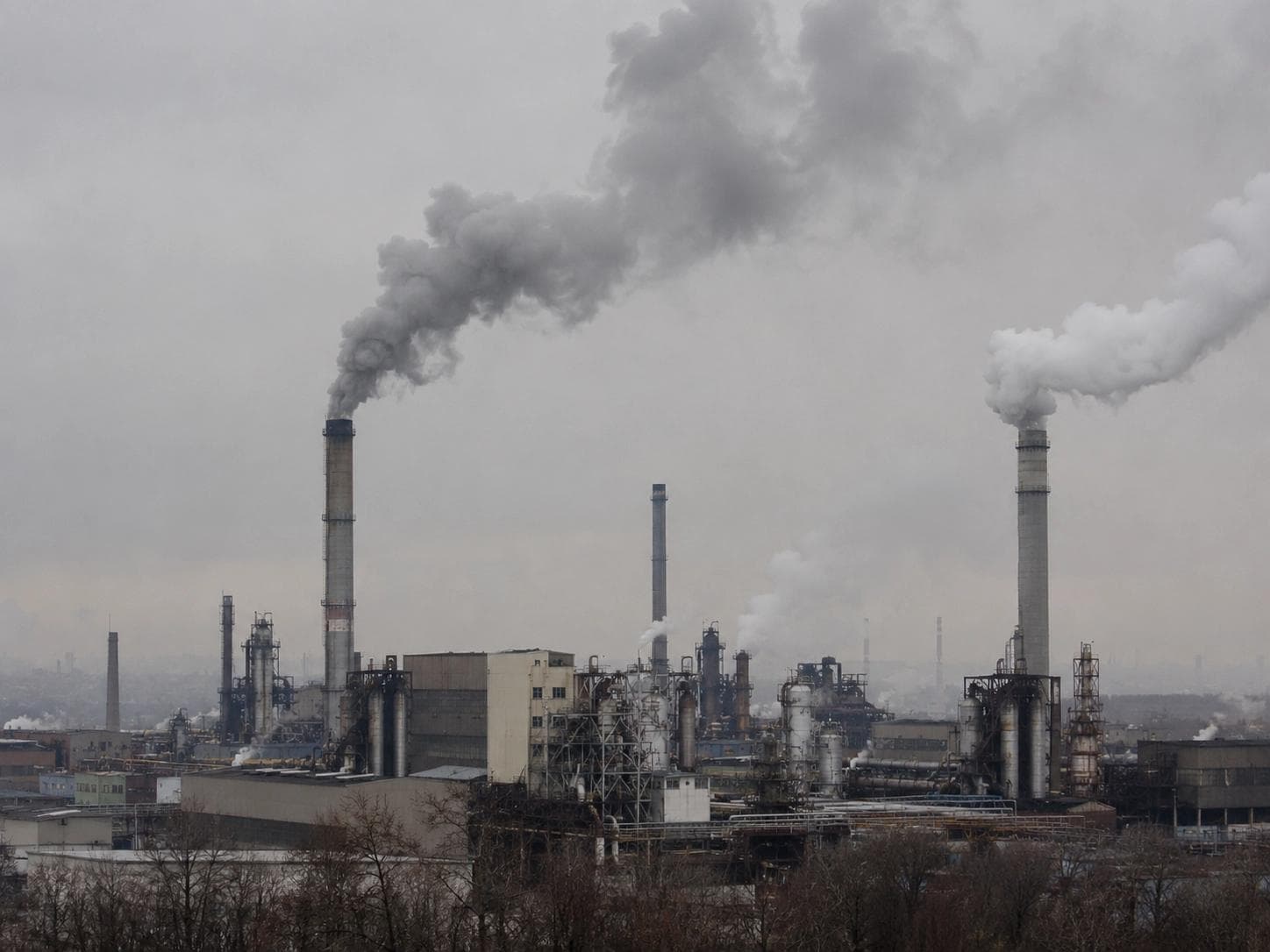
The new questions shift the implementation debate from headline emissions targets to sector-level exposure: metalworking SMEs facing carbon-cost pass-through risks, and farms facing electricity costs tied to irrigation. The EU has reported progress on emissions, including a 3% decline in greenhouse gas emissions between 2023 and 2024, according to the European Environment Agency. The European Environment Agency also reported lower average CO2 emissions from new cars and vans in 2025 compared with 2024. Those gains are now being tested against competitiveness and affordability concerns.
Perspective
Fragkos’s questions fit a broader pattern of parliamentary scrutiny over the practical costs of EU climate regulation, as GPS previously reported. Earlier, MEPs sought clarification on methane rules and their possible effects on winter gas supply, energy availability and pricing, according to European Parliament documents. Separately, MEP Marina Mesure asked about heat-related health risks and labor conditions, according to another European Parliament written question. The common thread is not a challenge to climate policy as such, but pressure on the Commission to explain distributional effects across firms, households, workers and farmers.
What to Watch
The Commission’s replies on whether CBAM pricing creates identifiable burdens for metalworking SMEs.
- Any proposed safeguards, guidance or transition measures for smaller industrial firms.
- Whether EU farm-energy discussions move toward support for agricultural energy communities.
- Further parliamentary questions linking climate compliance costs to energy prices or sector competitiveness.