Central Development
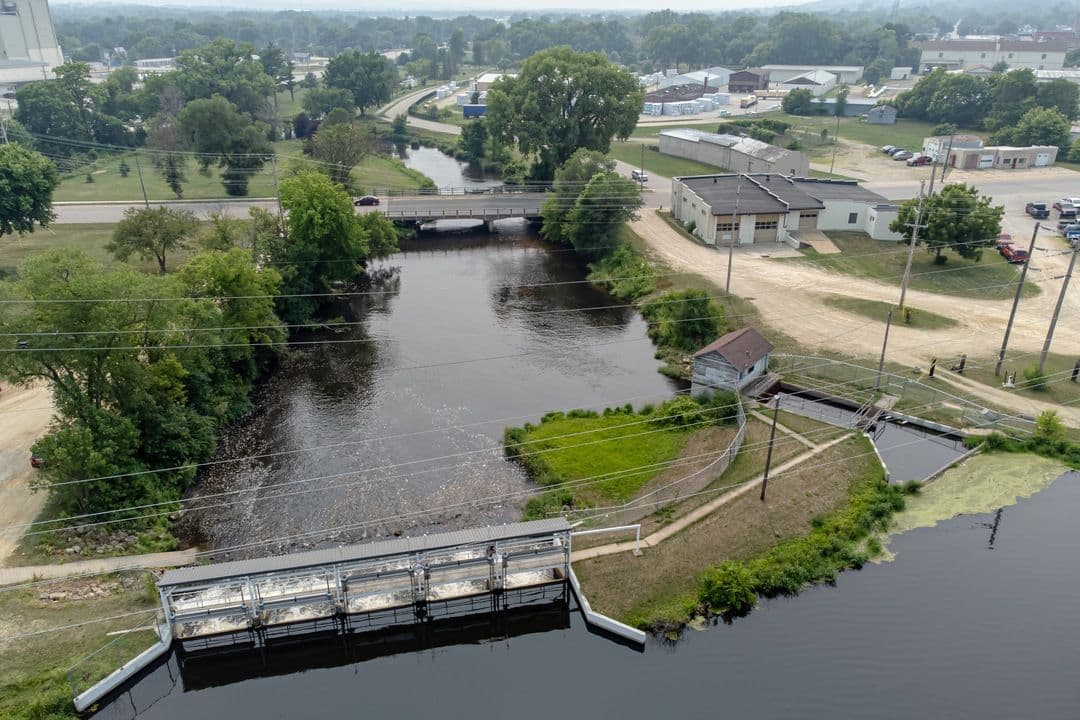
HotNews.ro, in reporting aggregated by Ground News, said low Danube water levels had disrupted inland shipping on Aug. 5 and were threatening hydropower output across parts of the river basin. The same reporting described unusually low water during a 2026 drought in Central and Eastern Europe. In Serbia, AP reported that World War II-era ships have re-emerged in the Danube, creating navigation hazards.
Why It Matters
The Danube is both a transport route and an energy input, so low water levels can translate a weather shock into economic and infrastructure pressure. HotNews.ro, via Ground News, reported that authorities were monitoring possible energy shortages and emergency measures linked to drought impacts. The pressure follows the low-flow disruption GPS previously reported, but the latest evidence broadens the issue from a single power asset to river logistics, hydropower and safety risks.
Perspective
The climate signal is regional, but the evidence is uneven by sector. AP reported that Slovakia and Austria recorded their highest temperatures on record in 2026 and that meteorological services issued heat warnings for vulnerable populations. CSIS separately framed water scarcity as a frontline security risk, underscoring why drought impacts are being watched beyond environmental agencies.
What to Watch
River-level readings and draft restrictions affecting Danube cargo traffic.
- Emergency energy measures if hydropower losses deepen.
- Serbian clearance or marking plans for exposed wartime wrecks.
- Additional heat alerts in Central Europe if temperature records persist.