Central Development
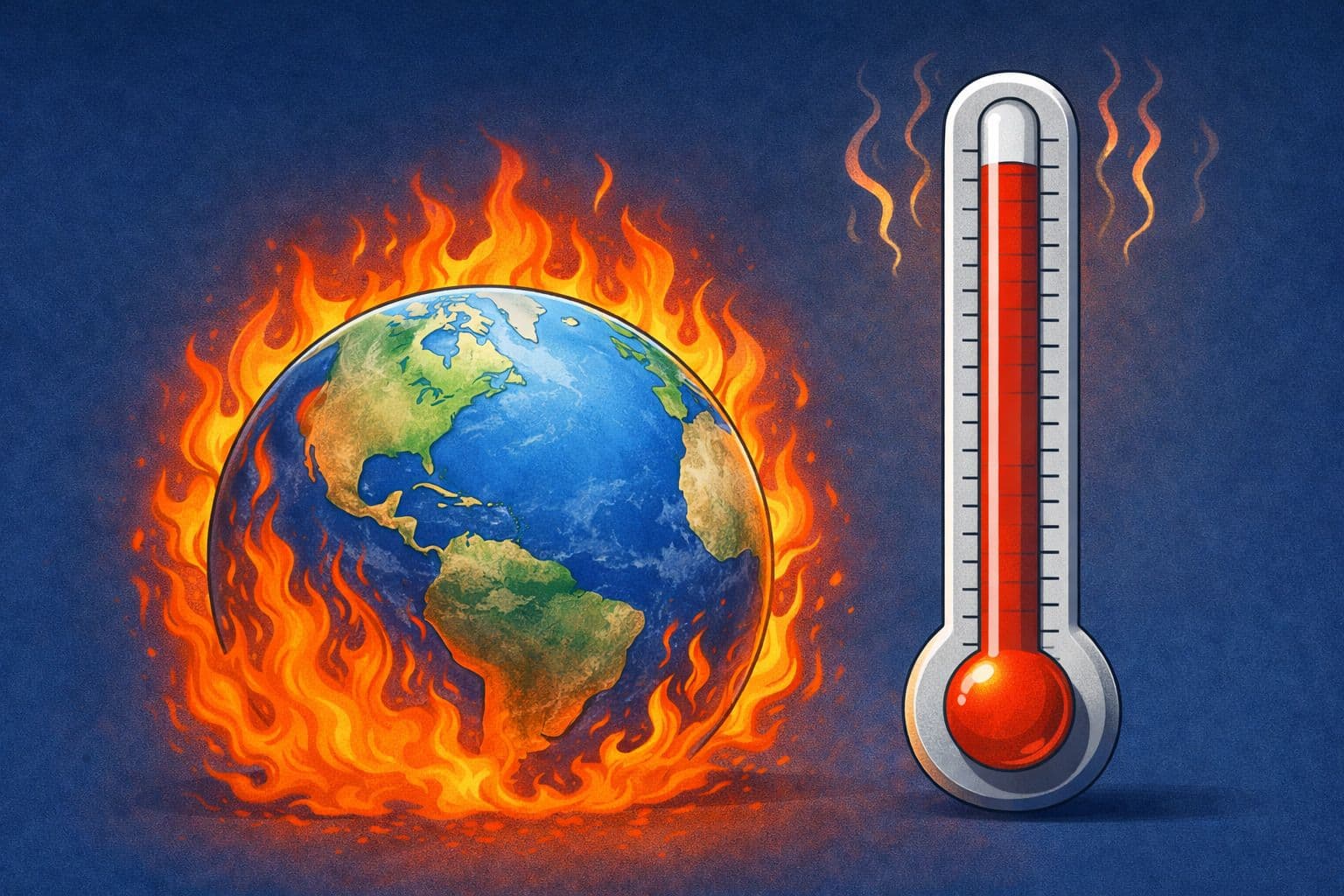
The World Meteorological Organization said a strong El Niño is intensifying and is expected to dominate global climate patterns from August to October 2026, with above-normal temperatures likely across much of the world, according to the WMO. The warning lands as separate hazard responses are already stretching authorities: Greek authorities paused aerial firefighting after a deadly helicopter crash, while French officials began allowing evacuees to return as fires eased, AP reported.
Why It Matters
The political pressure point is preparedness. The WMO said rainfall patterns are expected to shift, raising flood risk in some regions and drought risk in others, and described forecasts as a window for early action. In the United States, wildfires in Spokane triggered evacuation orders affecting about 60,000 people and destroyed hundreds of homes, NPR reported. In Indonesia, the IFRC published a July 31 operational update on floods and landslides in Aceh, North Sumatra and West Sumatra.
Perspective
The evidence points less to one unified disaster chain than to a widening governance test across climate forecasting, emergency response and land-use policy. AP reported that a federal judge ruled DHS may proceed with border wall construction crossing a Texas levee system after local officials and residents challenged the project over flood-protection concerns. Separately, NPR reported the Trump administration removed protections for marine conservation areas around remote Pacific islands, while conservationists warned of long-term harm to marine life.
What to Watch
Whether national weather agencies translate the WMO outlook into drought, flood or heat contingency measures.
- Changes to evacuation orders and damage assessments in Spokane and European fire zones.
- Legal or administrative follow-up on the Texas levee-border wall ruling and Pacific marine protections.