Central Development
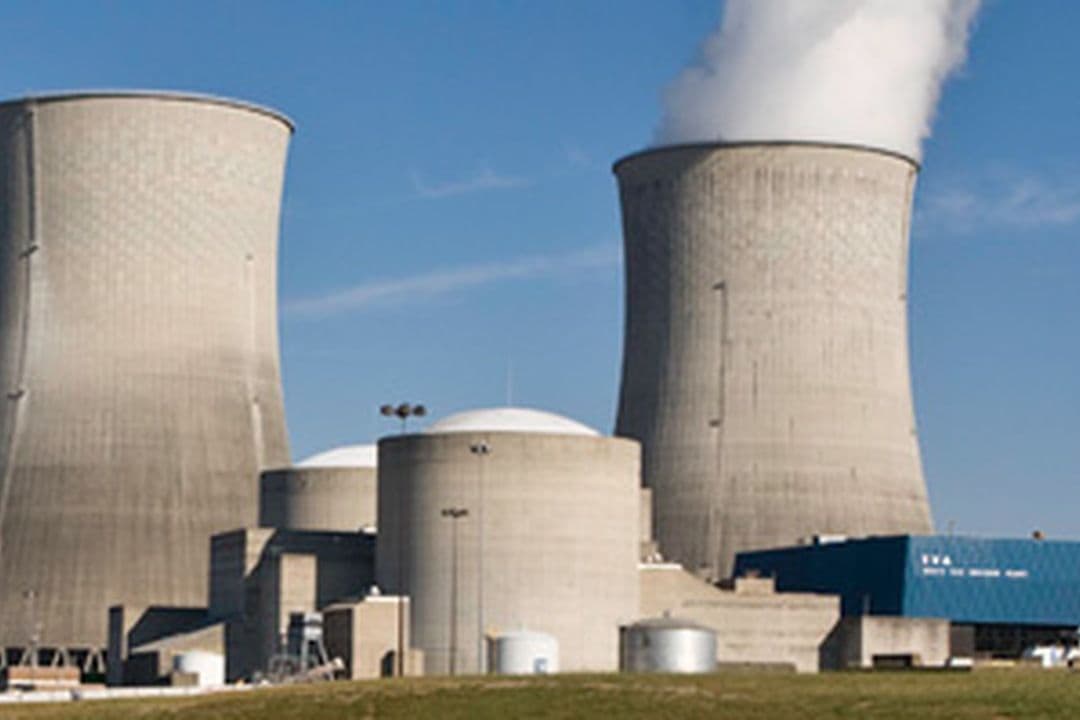
Hungary shut down its only nuclear power plant on Aug. 2 after low Danube water levels linked to a heat wave forced operations to stop, according to Reuters. Officials described the halt as unprecedented, and the shutdown has raised electricity-supply concerns while the plant remains offline, Reuters reported.
Why It Matters
The Danube is becoming the immediate stress point for both energy and transport systems. In Serbia, drought-driven low water has exposed Nazi-era wrecks that are creating navigational hazards and delaying river shipping, according to coverage aggregated by Ground News. Separate aggregated reporting said the exposed remains are also prompting surveys by authorities and researchers, adding heritage-management questions to the operational problems on Europe’s longest river, Ground News noted.
Perspective
The strongest political signal is not a single infrastructure failure but the convergence of climate-linked water stress with public utilities, freight corridors and emergency management. The Hungary case is energy-specific and immediate; the Serbia reports emphasize navigation, salvage and archaeological risks. Elsewhere in Europe, authorities are also managing heat-related environmental pressure, with Greece carrying out evacuations and French officials guarding areas damaged by a megafire in Provence, the Associated Press reported.
What to Watch
Whether Hungarian operators announce a restart timetable or emergency power measures.
- Danube level readings and any new shipping restrictions near exposed wreck sites.
- Salvage, clearance or heritage-protection decisions by Serbian authorities.
- Further wildfire evacuations or rekindling risks in Greece and France.