Central Development
The European Environment Agency has tied three resilience tracks into a broader EU sustainability agenda: food supply, farm adaptation and energy security. It says Europe should gradually rebalance protein consumption while supporting sustainable livestock systems, according to the European Environment Agency. The agency also argues that a wider mix of protein sources, including plant-based and alternative proteins, could cut agricultural emissions and reduce reliance on imported feed, the European Environment Agency reported.
Why It Matters
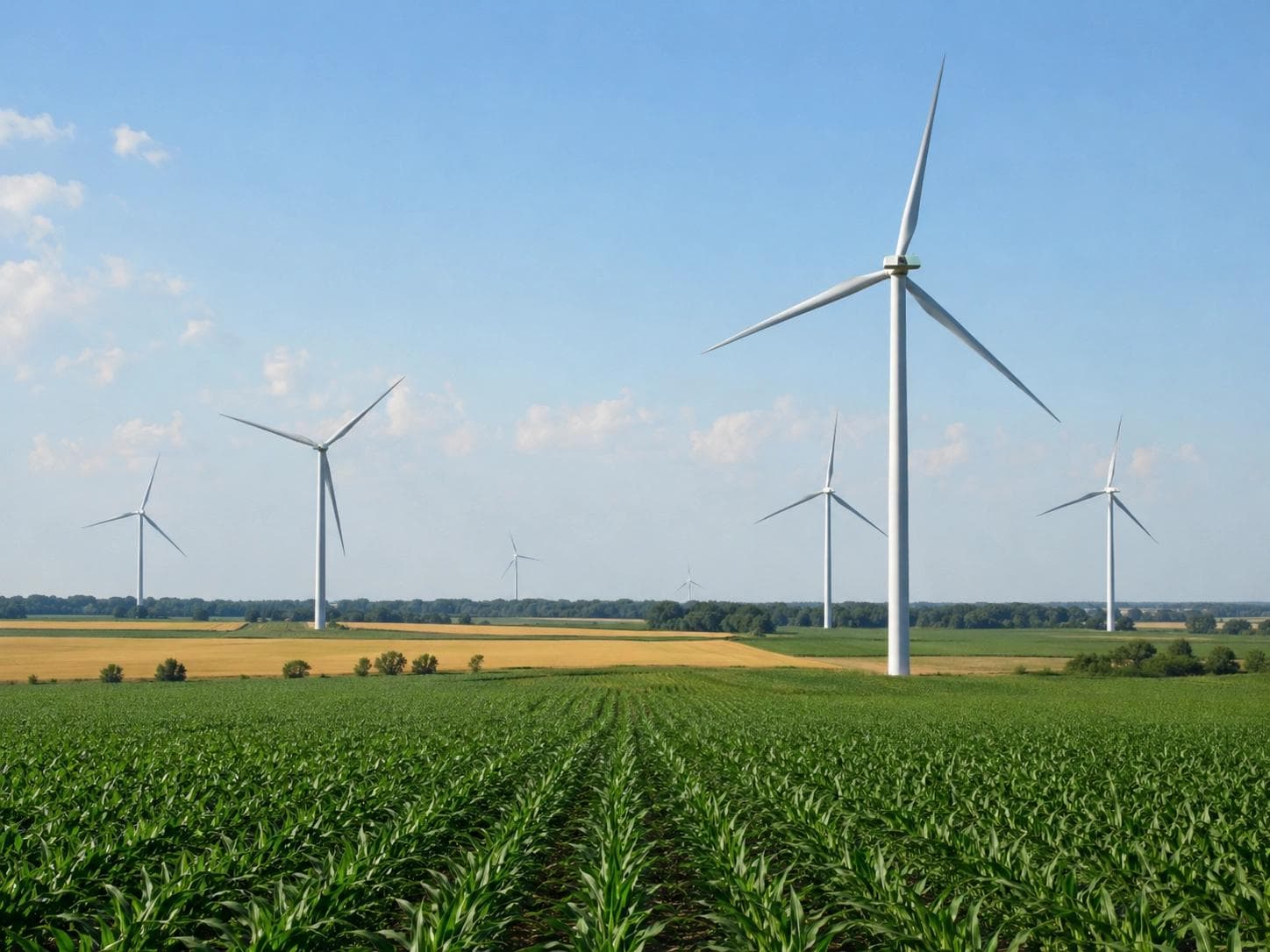
The food-security element broadens the EU climate-resilience debate beyond power systems and industrial policy. Earlier in 2026, the agency said climate-resilient agriculture could help stabilize farm incomes and food security, with reduced tillage identified as one practice that can lower production costs and improve resilience to climate shocks, according to the European Environment Agency. On energy, a July assessment said more renewable electricity is needed to reduce dependence on unstable international energy supplies and lower prices, according to the European Environment Agency.
Perspective
This follows a wider EU shift from climate targets toward implementation conditions. On July 22, the European Commission said fair-transition monitoring still needs broader strategies, according to the European Commission. The Commission also issued guidance linking clean-energy procurement to sustainability and resilience criteria, the European Commission stated. The EEA’s role is to supply policy-relevant environmental evidence, so its framing may influence how EU institutions connect agriculture, energy and competitiveness.
What to Watch
Whether EU farm policy debates incorporate protein diversification and reduced-tillage incentives.
- How procurement guidance under the Net-Zero Industry Act is applied to renewable-energy supply chains.
- Whether future EEA work adds cost, emissions or import-dependence metrics to these resilience recommendations.