Central Development
The United States and Iran paused attacks on July 27 after nearly two weeks of intensified U.S. bombing, creating a narrow diplomatic opening, according to NPR. Two regional officials said mediators, including Qatar and Pakistan, had seen signs of movement toward de-escalation, though the timing and terms remained unclear, according to AP. Reuters, in reporting aggregated by Ground News, also reported that Ukraine struck an Iranian vessel during the pause.
Why It Matters
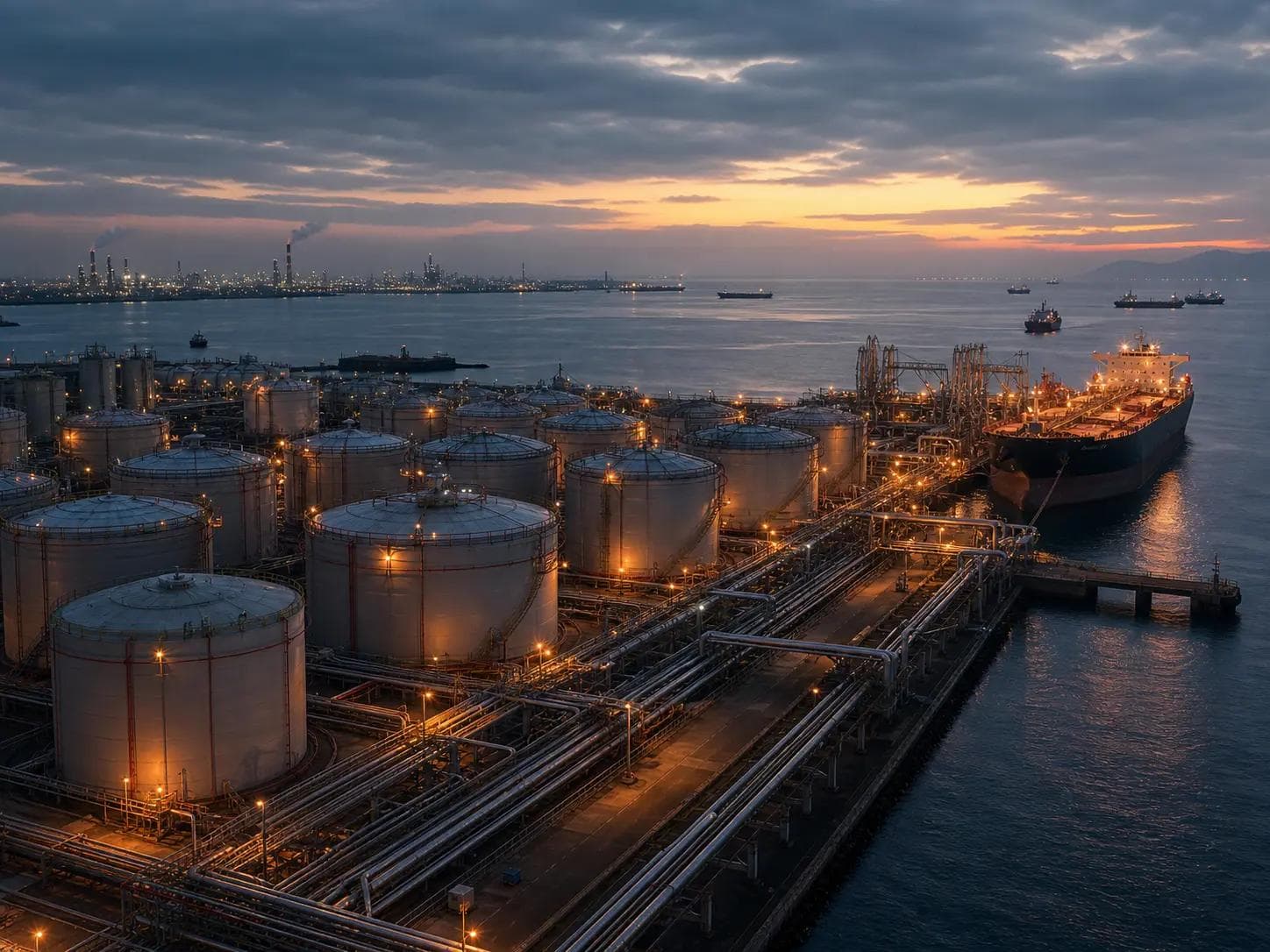
The pause follows a sharp escalation: the U.S. Defense Department said on July 24 that U.S. forces had completed a 13th consecutive night of strikes on Iranian military targets, according to War.gov. Earlier in the conflict, AP reported that U.S. and Iranian positions had hardened around the Strait of Hormuz after repeated strikes failed to produce a decisive shift. As GPS previously reported, the interruption in attacks is significant because maritime traffic, Gulf security, and energy flows have been directly exposed.
Perspective
The evidence points to a pause, not a settlement. AP reported that oil prices eased after the U.S. and Iran paused attacks, while traders remained cautious about the risk that renewed hostilities could disrupt global oil flows. The Ukraine-linked strike on an Iranian vessel adds a separate pressure point, but the core U.S.-Iran track still depends on whether mediators can turn reported movement into verifiable restraint.
What to Watch
Whether Qatar- and Pakistan-linked mediation produces stated terms, a timetable, or monitoring arrangements.
- Any renewed U.S. strikes on Iranian military sites or Iranian attacks affecting Gulf states, shipping, or the Strait of Hormuz.
- Oil-price and shipping-insurance movements as measurable signals of perceived risk.