Central Development
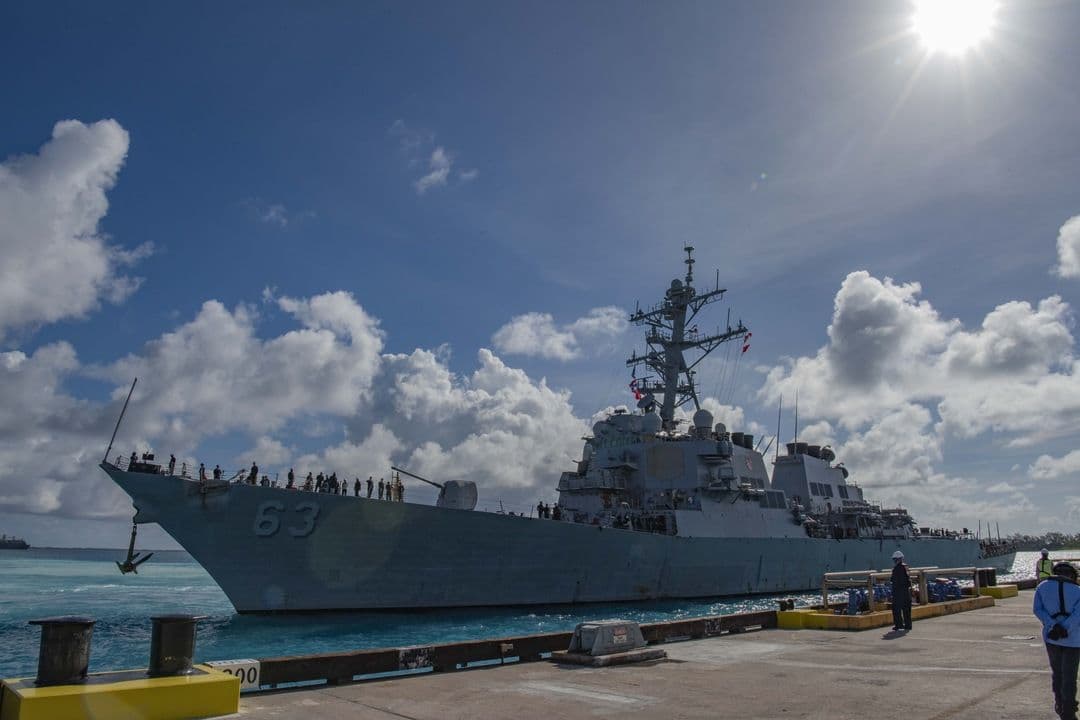
The United States and Iran paused attacks on July 27 after nearly two weeks of intensified U.S. bombing, according to NPR. Two regional officials said mediators involving Qatar and Pakistan had reported movement toward de-escalation, though no public timetable or terms were clear, AP reported. Oil prices eased after the pause, but traders remained alert to renewed disruption risks, according to AP.
Why It Matters
The pause is a material shift from the preceding phase of the conflict. On July 24, the U.S. said it had completed a 13th consecutive night of strikes on Iranian military targets, according to the Department of War. Earlier fighting had already reached shipping lanes: AP reported on July 21 that U.S. forces struck targets in Iran while Tehran struck a tanker in the Strait of Hormuz, a chokepoint for global energy shipments.
Perspective
This is not yet a settlement. Previous attempts at restraint were undermined by reciprocal strikes, including Iranian attacks on Gulf states and concerns about shipping and energy flows, according to AP. The latest pause therefore tests whether mediation can convert battlefield restraint into agreed limits. As GPS previously reported, maritime risk remains central to the diplomatic track. Separately, Reuters reported in an item aggregated by Ground News that Ukraine struck an Iranian vessel during the pause, adding a separate pressure point.
What to Watch
Whether Washington or Tehran publicly defines the scope or duration of the pause.
- Any mediator-issued terms involving Qatar or Pakistan.
- Insurance, tanker-routing, and oil-price signals tied to the Strait of Hormuz.
- Whether Iran links the reported vessel strike to its response calculus.