Central Development
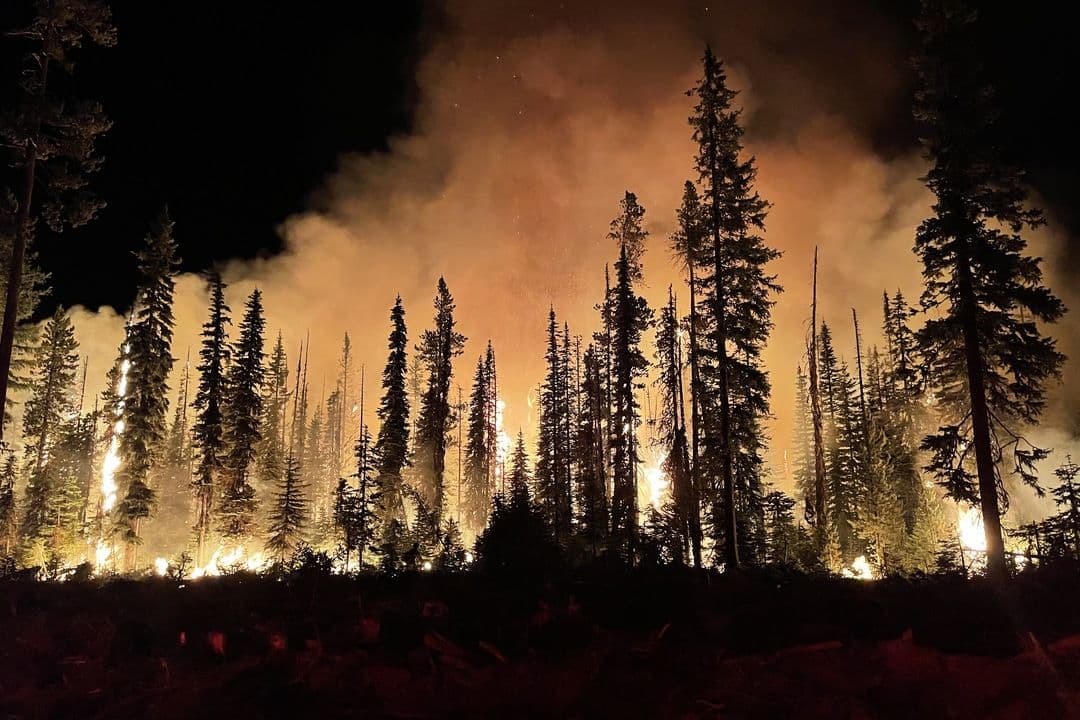
Wildfire pressure across western Europe remained the clearest environment-linked political and public-safety development on July 26. Ground News aggregated reporting that southwest France faced large evacuations, including another 55,000 people, as crews worked to keep fires from reaching Bordeaux. AP reported that fires in Spain and France triggered evacuations and emergency responses, leaving displaced residents facing safety needs and uncertainty over return and property losses.
Why It Matters
The fires are testing civil-protection capacity at the same time that heat and smoke are altering day-to-day planning beyond the fire zones. NPR reported that parents, camps and youth programs in the United States have cancelled activities, shifted children indoors or changed schedules because of heat and poor air quality. As GPS previously reported, the French response had already moved into a larger operational phase.
Perspective
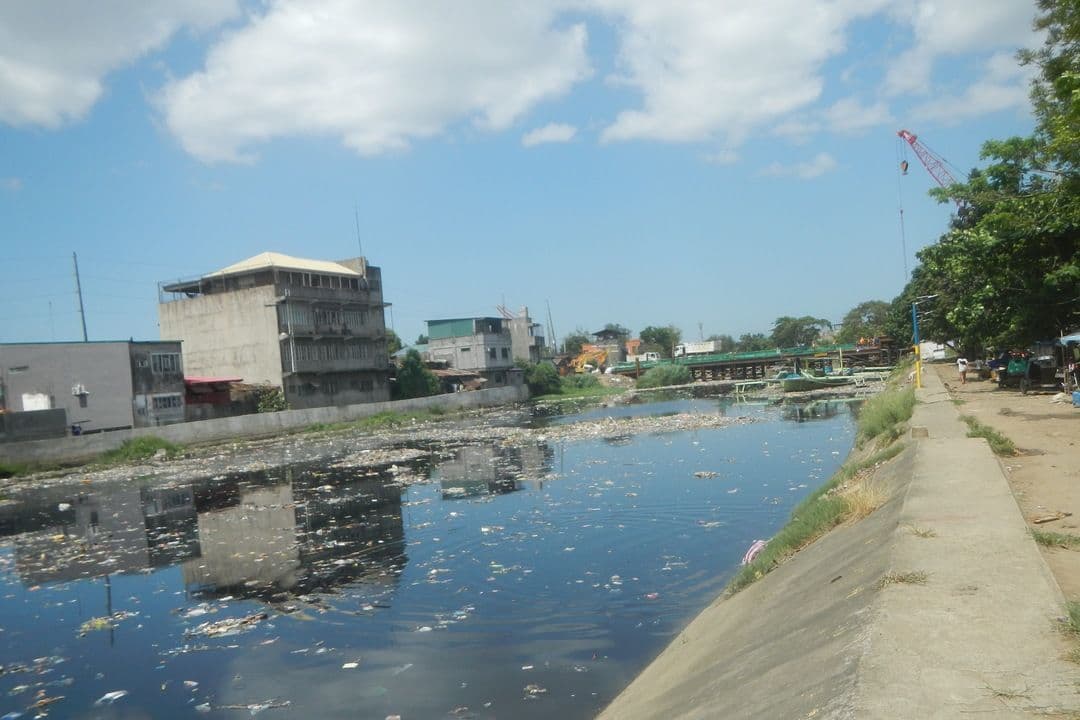
The fire response sits alongside slower-moving environmental risk signals. ReliefWeb listed an FAO agrometeorological early-warning bulletin for Yemen covering July–September 2026, aimed at preparedness for agriculture and food-security risks. The European Commission separately highlighted research identifying the north-eastern Atlantic as a high-risk area for marine plastic pollution, according to the European Commission, and another Commission item said invasive species in Germany raised productivity by 91% versus native-only samples, according to the European Commission.
What to Watch
Whether evacuation zones near Bordeaux are narrowed or expanded.
- Timelines for displaced residents in Spain to return and assess property damage.
- Use of Yemen’s July–September bulletin in humanitarian and agricultural planning.
- Any policy follow-up tied to marine plastics or invasive-species management.