Central Development
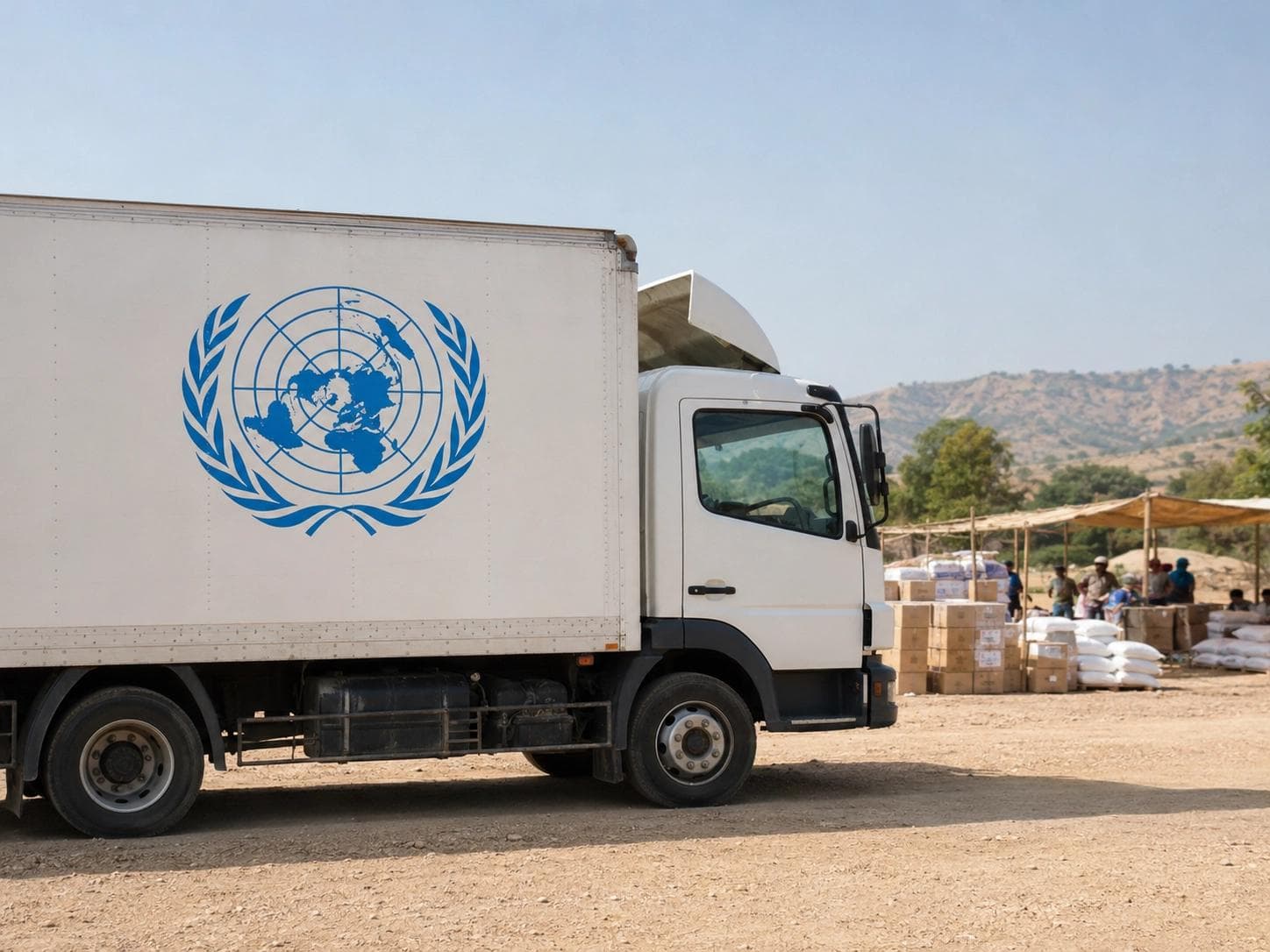
OCHA issued Situation Report #30 on Venezuela’s June earthquakes, dated July 23 at 9:00 p.m., setting out response coordination, community impacts, education-sector concerns and operational priorities for relief actors. The update moves the response from initial damage tracking toward coordination around service gaps and planning needs. Separately, UNICEF said nearly 23,100 people were in temporary camps and that it was working to reach about 470,000 people, including 169,000 children, with health, nutrition, water and sanitation, child protection, education and social protection assistance.
Why It Matters
The latest reporting shows that the post-quake burden remains concentrated in displacement, disrupted services and child protection rather than only physical damage. Save the Children said thousands more people were injured and displaced and faced limited access to basic services, underscoring the pressure on temporary shelter and public-service restoration. UNICEF Representative Manuel Rodriguez Pumarol said continued support was essential to address lasting impacts on children’s well-being, according to UNICEF.
Perspective
This follows earlier coordination reporting after the June 24 earthquake sequence. On July 16, OCHA published Situation Report #22 covering humanitarian impacts, food and nutrition needs, response actions and priorities. HOPE reported on July 15 that recent earthquakes had damaged infrastructure, disrupted health services and raised protection concerns. U.S. forces were also providing disaster relief after two significant June 24 quakes, according to the U.S. Department of War. GPS previously reported the shift toward relief priorities and child-focused needs.
What to Watch
Whether OCHA’s next reports show reductions in temporary-camp populations or expanded basic-service access.
- Funding and logistics signals for UNICEF’s target of reaching 470,000 people.
- Restoration of health and education services in the most affected communities.