Central Development
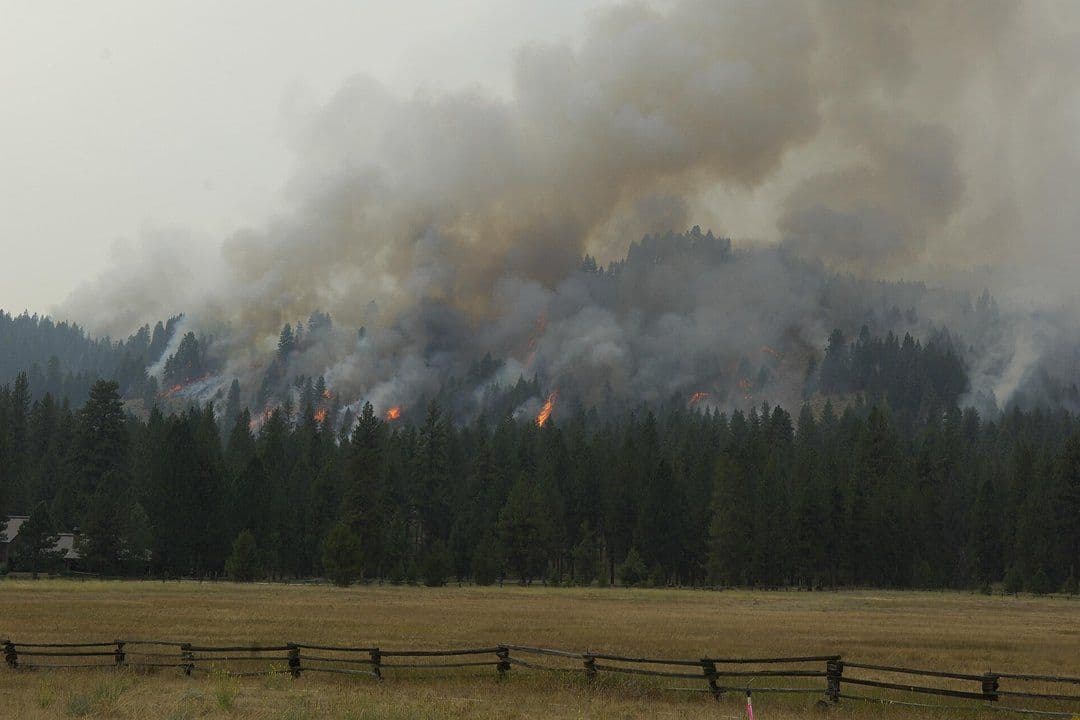
On July 25, France deployed a large cargo aircraft to drop flame retardant on a major wildfire, adding heavy aerial capacity to firefighting operations, according to AP. The operation was intended to slow the fire’s advance and support crews working on the ground, AP reported.
Why It Matters
The deployment points to a more intensive emergency posture as fires affect parts of both France and Spain. NPR reported that wildfires in the two countries forced more than 200,000 people to flee their homes, while Ground News aggregated reports describing evacuations at nearly 200,000. The difference is small but underscores that casualty, evacuation and displacement figures can shift as authorities update field assessments.
Perspective
The central policy signal is operational rather than legislative: governments are using larger firefighting assets as local emergency services face fast-moving blazes. NPR also reported at least one death in Spain, making the episode not only a containment challenge but a public-safety test for evacuation systems, cross-border coordination and resource allocation during peak fire conditions.
What to Watch
Whether French authorities expand heavy-aircraft retardant drops or shift back toward conventional aerial and ground containment.
- Updated evacuation and casualty figures from France and Spain.
- Requests for additional firefighting resources, including cross-border or EU-level support.
- Whether weather conditions allow crews to establish containment lines around the most active fronts.