Central Development
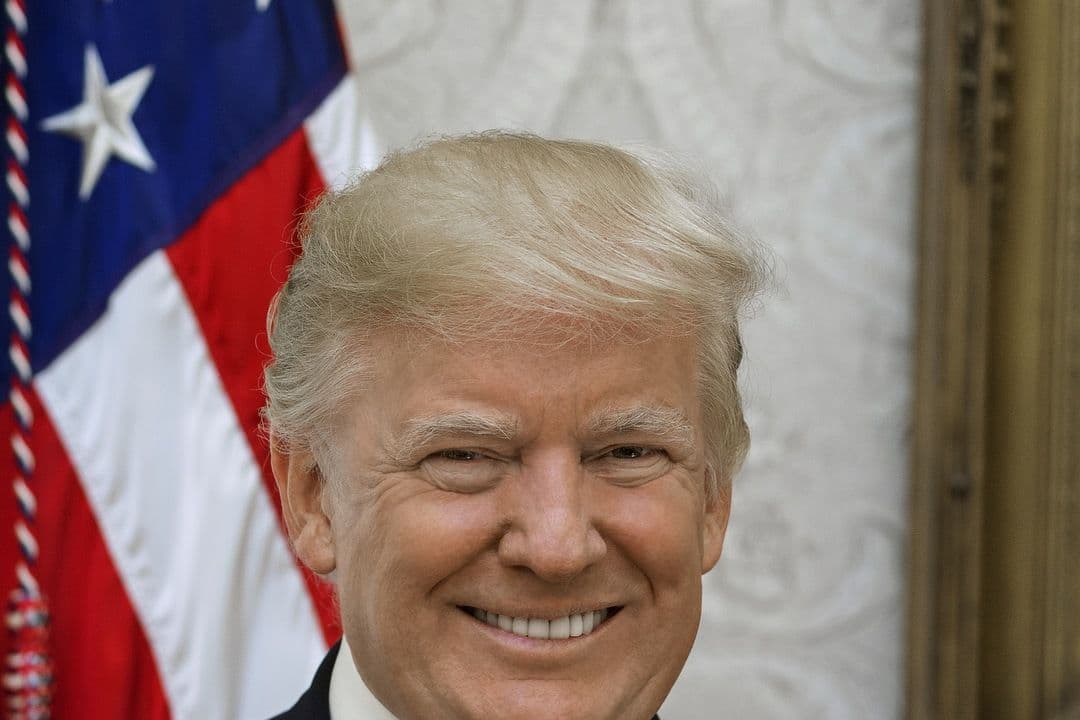
President Trump issued a new set of tariffs on July 24, months after the Supreme Court struck down earlier sweeping tariff measures, according to NPR. The latest measures target imports alleged to be linked to forced labor and have already generated legal and political disputes, the Associated Press reported. NPR also reported that the administration timed tariffs on major trading partners to take effect as an older global tariff expired.
Why It Matters
The shift keeps tariffs at the center of Trump’s economic and trade strategy after a judicial setback. Industries reliant on imports face uncertainty over costs and compliance, according to NPR, while the Associated Press reported that lawmakers and advocates are debating how to balance forced-labor enforcement with economic effects. The move extends a tariff storyline GPS previously reported in the Canada context.
Perspective
The coverage differs mainly in emphasis. The Associated Press foregrounded anger among trading partners, particularly in Asia, and warnings about supply-chain disruption. NPR framed the action as a renewed use of trade authority after the Supreme Court ruling. Coverage aggregated by Ground News also pointed to European concern, including Kaja Kallas seeking clarification from Washington over possible EU-facing measures.
What to Watch
Court challenges testing the administration’s revised tariff rationale.
- Formal responses from Asian trading partners and the EU.
- Importer guidance on compliance, exemptions, and pass-through costs.
- Whether tariffs tied to forced-labor claims expand to additional sectors.