Central Development
OCHA issued Situation Report #30 on Venezuela’s earthquakes, dated 23 July at 9:00 p.m., framing the response around coordination with authorities and humanitarian partners, priority needs, education-sector impacts and operational gaps. The update keeps the crisis in the policy lane rather than only the emergency lane: relief actors are still mapping service disruptions, community impacts and planning requirements one month after the June shocks.
Why It Matters
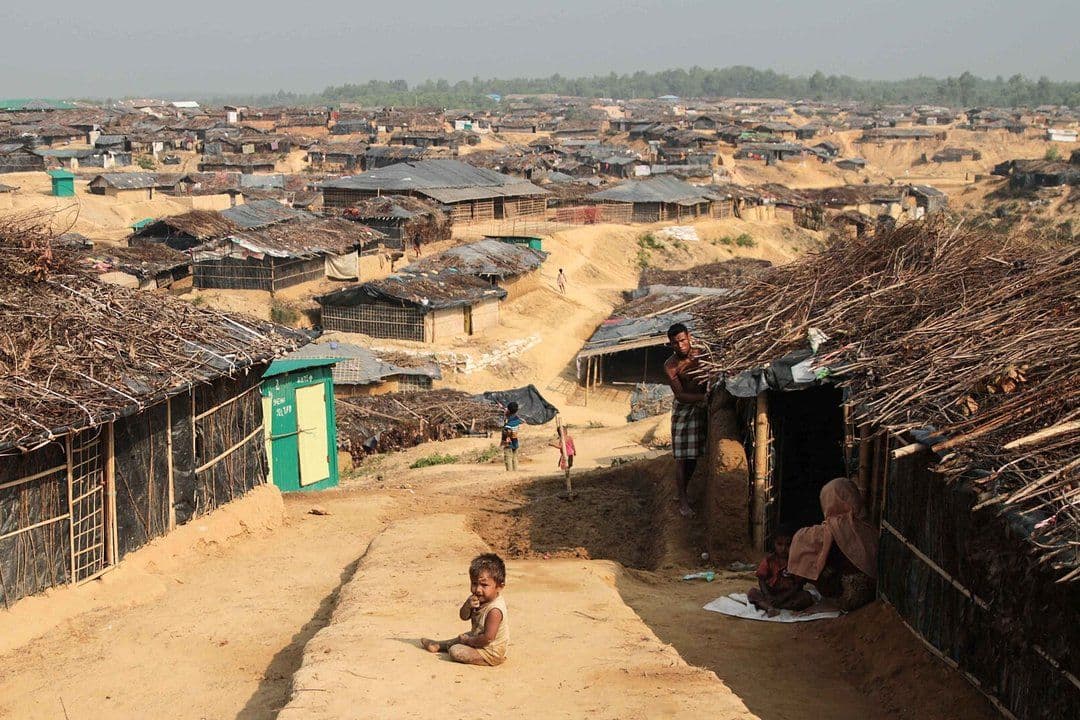
UNICEF said nearly 23,100 people were in temporary camps as of 24 July and that it was working to reach about 470,000 people, including 169,000 children, with health, nutrition, water and sanitation, child protection, education and social protection support. UNICEF Representative Manuel Rodriguez Pumarol said continued support was needed to address lasting effects on children’s well-being. Save the Children emphasized the human impact more sharply, saying thousands more people were injured and displaced with limited access to basic services, and describing families in tents and informal camps coping with fear, sleeplessness and loss.
Perspective
The main shift is not a new casualty event but a clearer picture of post-quake governance demands: shelter, schools, water, protection and public health are competing for attention within the same response architecture. As GPS previously reported, earlier updates had already pointed to sustained relief needs; the latest reporting adds more detail on child-focused risks and camp populations.
What to Watch
Whether OCHA’s next situation report narrows or expands the listed operational gaps.
- Changes in the number of people in temporary camps and informal shelters.
- Signals that education, water and sanitation services are being restored in affected communities.
- Additional funding or access constraints reported by UN agencies and NGOs.