Central Development
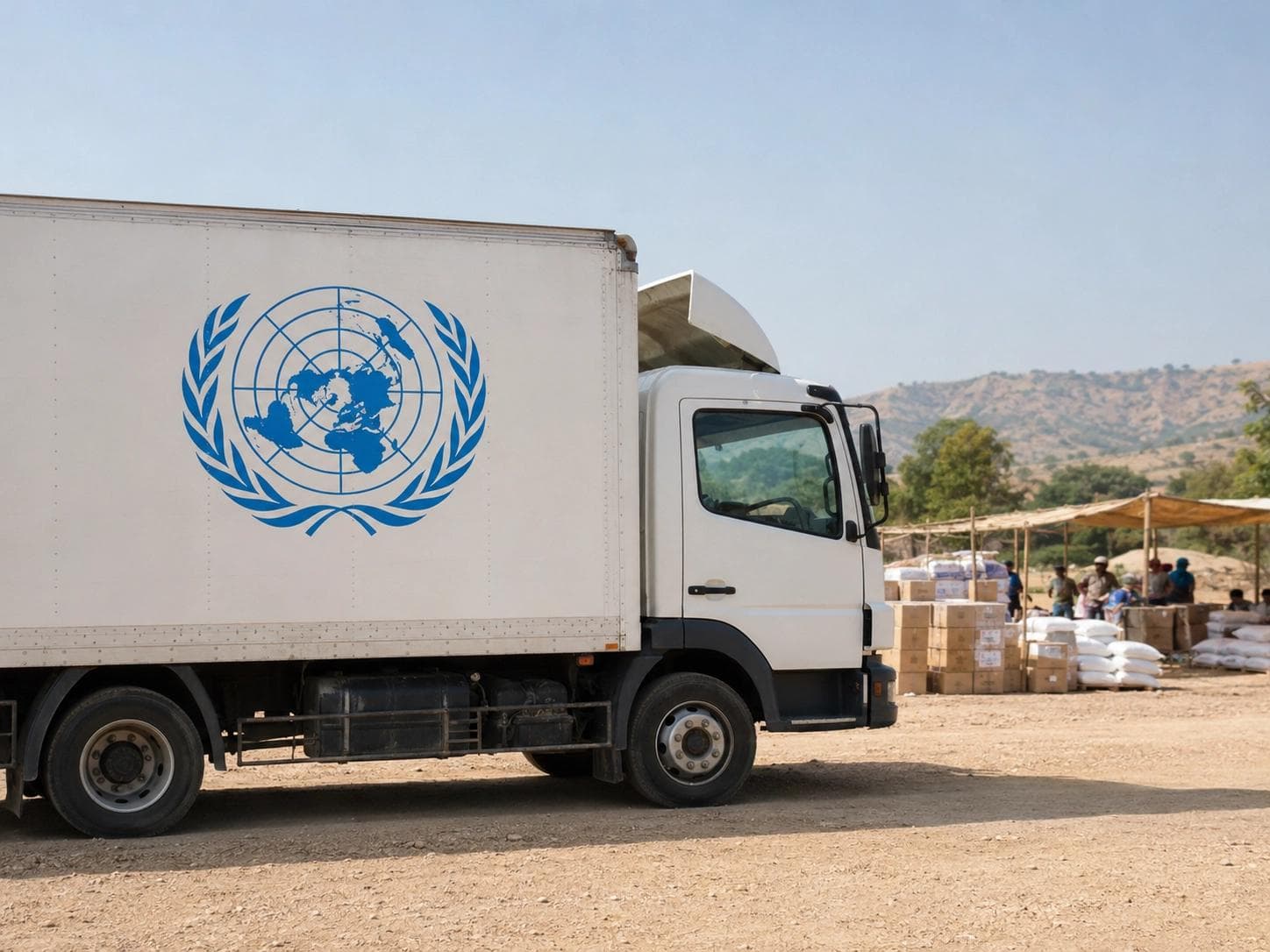
Gaza’s food security picture improved in the latest July 23 assessment, but the central political issue is access: the World Food Programme said gains in food security and child nutrition were driven largely by expanded humanitarian assistance and increased commercial traffic, while warning that only Kerem Shalom/Abu Salem remains open in the south, limiting essential goods and keeping much of the population dependent on aid. The UK Foreign, Commonwealth & Development Office said the UN’s IPC snapshot still points to critical food insecurity affecting 1.2 million people and called for aid delivery without political interference.
Why It Matters
The assessment narrows the policy question from whether aid can produce measurable relief to whether access can be sustained at a scale that prevents reversal. The Associated Press reported that food insecurity has improved but remains vulnerable to constrained supplies, access and funding challenges, and conflict-related disruptions. For governments and aid agencies, that makes crossing operations, commercial traffic and funding continuity as consequential as headline aid pledges.
Perspective
The sources align on fragile improvement but differ in emphasis. The UK Foreign, Commonwealth & Development Office foregrounded the severity of the IPC findings, worsening risk and the political requirement that humanitarian aid move without interference. The World Food Programme placed more weight on operational bottlenecks, including the single southern crossing and the constrained recovery of livelihoods, local food systems and services.
What to Watch
Whether crossings beyond Kerem Shalom/Abu Salem are opened or aid volumes increase.
- Whether commercial traffic continues alongside humanitarian assistance.
- Whether funding gaps or renewed conflict disruptions push the next IPC update toward deterioration.