Central Development
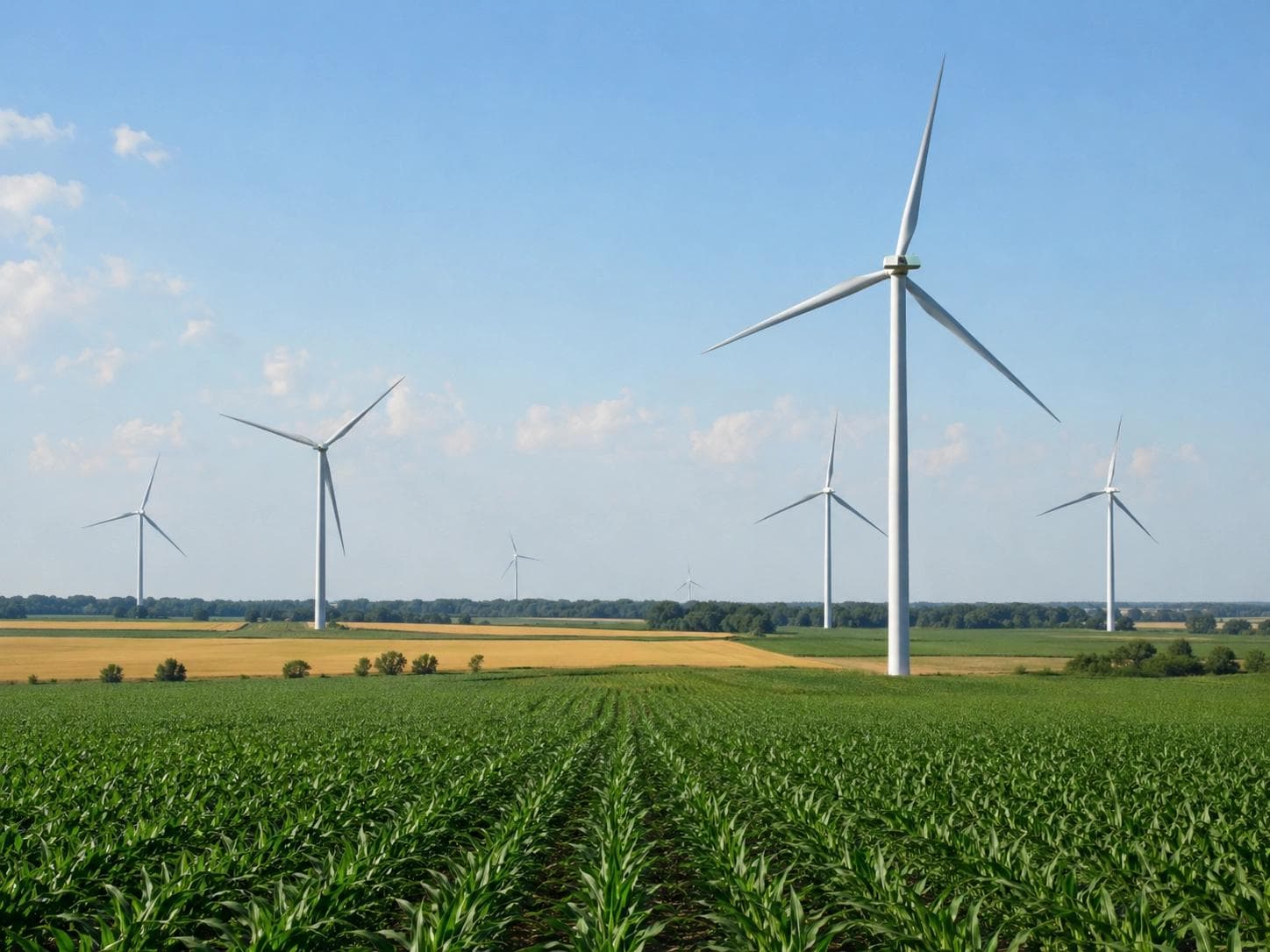
Energy infrastructure moved into sharper EU scrutiny on July 21 as parliamentary written questions pressed the European Commission on climate adaptation and environmental safeguards. MEP Stanisław Tyszka asked how Commission buildings are prepared for heatwaves and how that aligns with EU policy, according to the European Parliament. Wouter Beke sought clarification on the life-cycle CO2 emissions exemption in Article 11(2) of Regulation (EU) 2024/573 and its regulatory implications, the European Parliament shows. A further written question raised PFAS contamination concerns linked to wind turbines and possible environmental and health effects, according to the European Parliament.
Why It Matters
The Commission is the EU body that proposes legislation and monitors implementation, so its replies can clarify how climate-resilience standards and environmental exemptions are being interpreted across the bloc. The policy questions landed alongside private-sector attempts to expand energy infrastructure: Gritt exited stealth with $34 million to develop robots for solar-plant construction, TechCrunch reported, while Bluecore Energy raised $10 million for barge-mounted nuclear reactors aimed at maritime energy, according to TechCrunch. Separate projections cited by TechCrunch said data centers could use four times more electricity by 2035.
Perspective
The EU documents are formal questions, not findings of non-compliance or confirmed contamination. The startup reports point to capital formation and proposed technologies, not proven deployment at scale. Taken together, the evidence shows a widening policy problem: Europe’s energy transition requires faster infrastructure buildout while lawmakers test whether resilience, emissions rules and chemical-risk oversight are keeping pace.
What to Watch
Commission replies on building heat resilience, CO2 exemption implementation and PFAS risk assessment.
- Evidence of commercial deployment for solar-construction robotics or barge-mounted reactors.
- Further grid-planning signals tied to data-center electricity demand.