Central Development
Houthi forces in Yemen announced on July 21 that they would impose a naval blockade of the Bab al-Mandeb strait, a Red Sea chokepoint, according to NPR. The group also threatened shipping through the strait, while AP reported that Houthi forces have framed attacks as solidarity with Palestinians in the Israel-Hamas war and have targeted or threatened vessels linked to Israel and Western interests.
Why It Matters
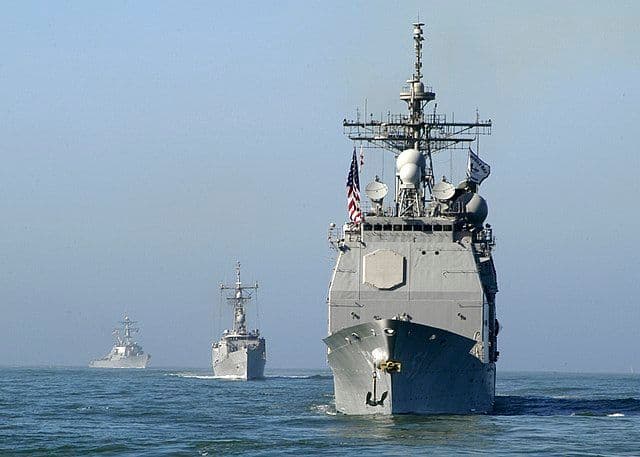
Bab al-Mandeb links the Red Sea to the Gulf of Aden, making the announcement a defense and maritime-security issue rather than only a Yemen conflict development. AP reported that prior Houthi attacks have already led to naval escorts and strikes by regional and Western forces in the Red Sea. That history means the blockade claim could draw military countermeasures, convoy operations, or diplomatic pressure even before its practical enforcement is clear.
Perspective
The evidence base is strongest on the announcement and threat, not on the operational reach of the blockade. NPR framed possible U.S. choices as ranging from military to diplomatic responses, but that is analysis rather than a confirmed U.S. decision. AP placed the move in the broader pattern of Houthi attacks on commercial and military shipping, emphasizing escalation risks for regional and Western forces.
What to Watch
Any U.S., regional, or coalition announcement on naval escorts, strikes, or de-escalation channels.
- Evidence that Houthi forces can enforce the blockade beyond issuing threats.
- Shipping advisories, rerouting decisions, or insurance changes tied to Bab al-Mandeb transit.