Central Development
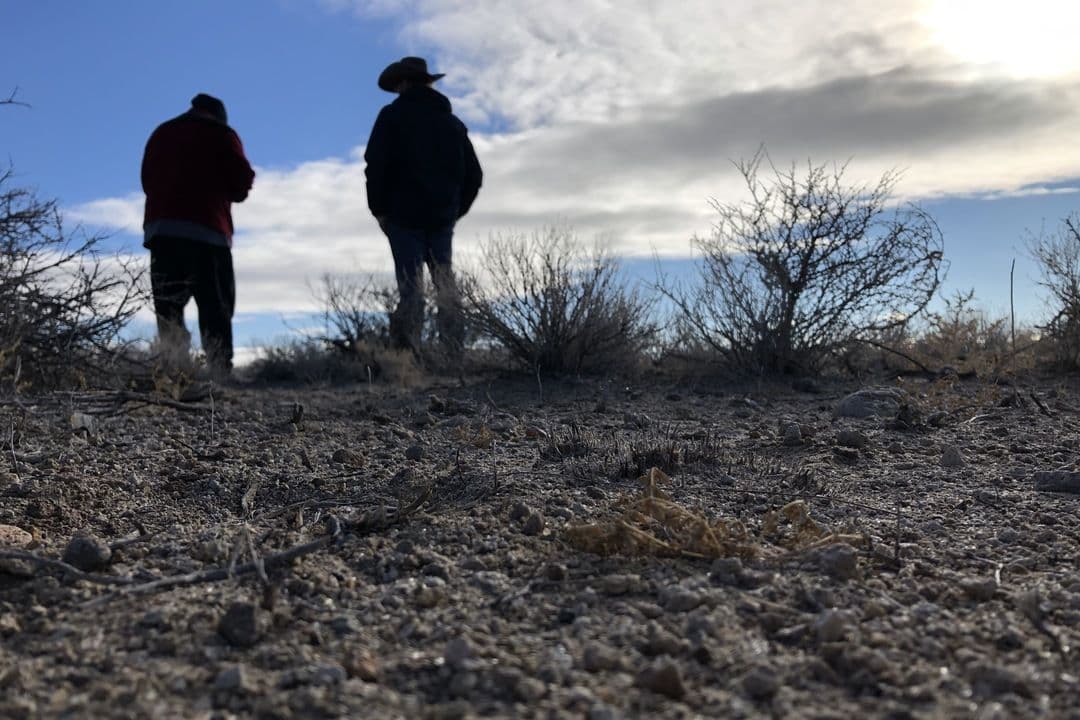
The EU has put drought resilience and land restoration at the center of its climate adaptation agenda, using World Desertification and Drought Day on June 17 to warn that drought and land degradation threaten food security and economic stability, according to the European Commission. The Commission said its Water Resilience Strategy is intended to address a water crisis worsened by climate change and poor management, and it emphasized rangelands, women’s participation and civil-society involvement ahead of UNCCD COP17 in Mongolia.
Why It Matters
This shifts the European climate-adaptation story from emergency response toward land and water governance. Earlier in July, the European Environment Agency said Europe needed stronger adaptation policies and better coordination across governance levels. That warning followed acute stress signals: NPR reported that a fast-moving wildfire in Almería, Spain, killed at least 12 people and left 23 missing, while the Associated Press reported evacuations, emergency deployments and an investigation into the blaze’s cause. As GPS previously reported, Brussels is linking water security more directly to land-restoration policy.
Perspective
The Commission’s emphasis is institutional and preventive, while the recent wildfire coverage has been casualty- and response-driven. A separate June 17 BIS paper proposing ways to integrate environmental considerations into sovereign bond portfolios points to the same broader direction: climate risk is being translated into both public policy and financial-risk frameworks.
What to Watch
Whether EU member states align drought, land-use and water-management plans with the Commission strategy.
- The agenda and commitments emerging from UNCCD COP17 in Mongolia.
- Follow-up findings on Spain’s wildfire alerts, evacuation procedures and cause investigation.