Central Development
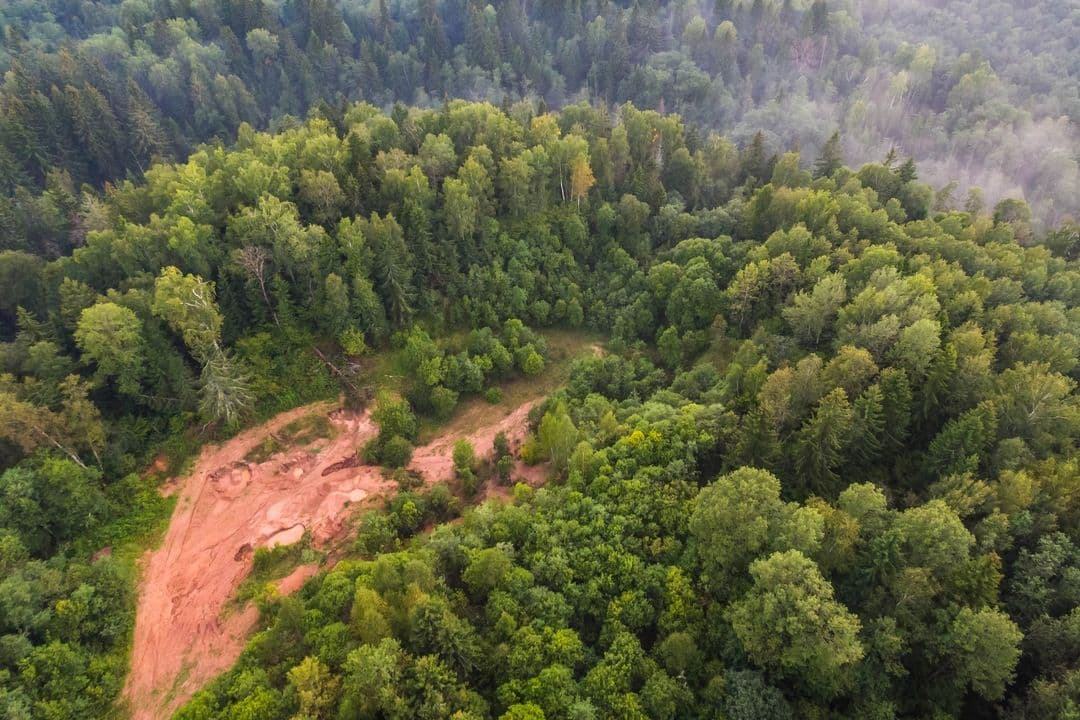
The EU has put drought resilience and land restoration at the center of its climate-adaptation agenda, saying on June 17 that land degradation and drought threaten food security and economic stability, according to the European Commission. The Commission framed its Water Resilience Strategy as a response to a climate-driven and management-driven water crisis, with specific emphasis on rangelands and the role of women and civil society before UNCCD COP17 in Mongolia, as GPS previously reported.
Why It Matters
The move shifts the policy focus from emergency response toward preventive resilience. The European Environment Agency said in June that Europe needs stronger adaptation policies and more coordinated action across levels of government. That warning has been reinforced by recent stress points: the European Commission identified heat as Europe’s deadliest weather hazard, while NPR reported that a fast-moving wildfire in Almería killed at least 12 people and left 23 missing.
Perspective
The latest EU framing is broader than a wildfire or heatwave response: it treats land, water and governance capacity as linked adaptation problems. That matters because recent events exposed both physical risk and response gaps. Coverage aggregated by Ground News reported that hundreds of evacuees returned as the Spanish wildfire came close to control, while separate reporting aggregated by Ground News said a heatwave affecting roughly a quarter of France forced Paris landmarks to close early.
What to Watch
Whether EU institutions attach funding, implementation milestones or national reporting requirements to the Water Resilience Strategy.
- How member states translate land-restoration and rangeland priorities into drought planning.
- Whether UNCCD COP17 produces commitments that align with the EU’s resilience agenda.