Central Development
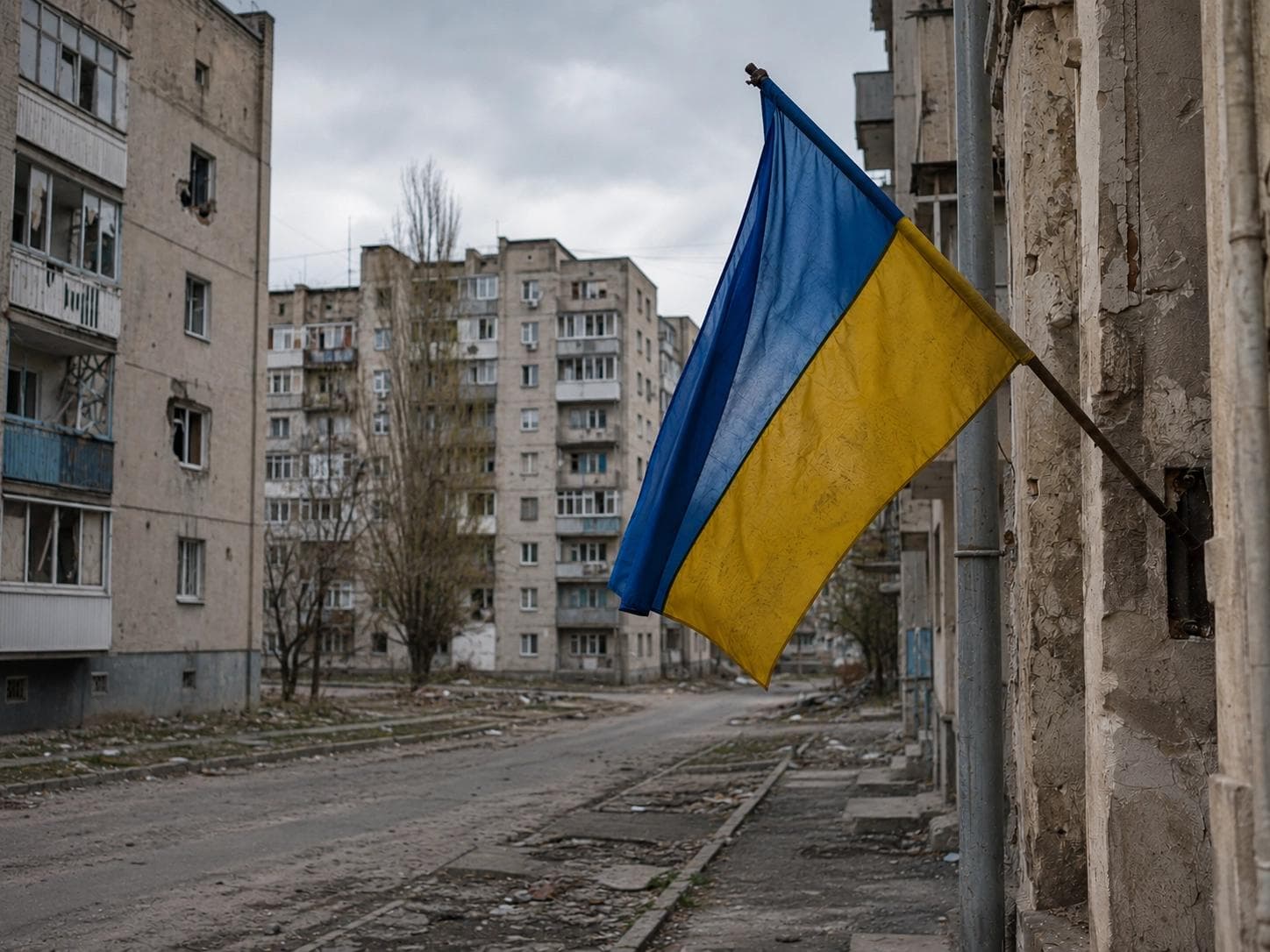
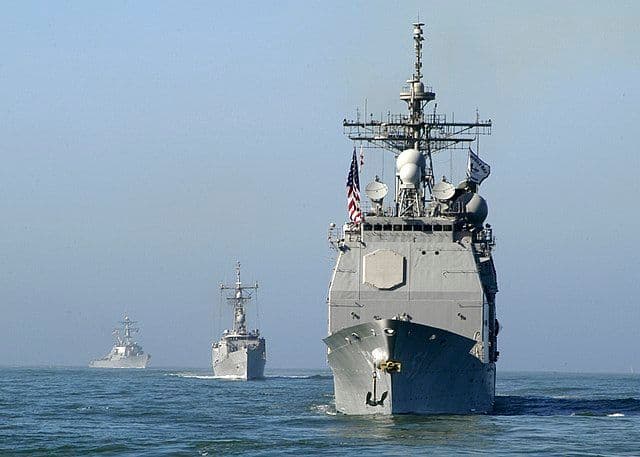
The defense picture is being pulled in two maritime directions. NPR reported that the United States launched strikes against Iran after an Iranian attack on a vessel in the Strait of Hormuz, with Iran apparently replying by targeting Bahrain, Qatar and the United Arab Emirates while also criticizing Gulf Arab states. Separately, reports aggregated by Ground News said Russian authorities accused Ukraine of striking a tanker in the Sea of Azov and alleged attacks on multiple Russian tankers, including references to 21 vessels.
Why It Matters
The Gulf episode widens the risk frame from a bilateral U.S.-Iran exchange to a broader regional security problem involving Gulf Arab states, according to NPR. The Sea of Azov claims point to a different pressure line: maritime infrastructure and tanker movements linked to the Russia-Ukraine war, as reports aggregated by Ground News indicate.
Perspective
The evidence base is uneven. The U.S.-Iran sequence is presented as a reported strike-and-response chain by NPR, while the Azov tanker account relies on Russian-authority claims carried through aggregated reporting. Ground News also noted references to unmanned aerial systems without independent confirmation of the attacks. The Azov claims sit in the same maritime-strike thread as GPS previously reported, but the latest account rests on a narrower evidentiary base.
What to Watch
Formal U.S., Iranian or Gulf Arab statements clarifying targets, damage and rules of engagement.
- Independent confirmation of tanker identities, damage, locations and the reported vessel count in the Sea of Azov.
- Maritime advisories, naval deployments or insurance signals around the Strait of Hormuz and Russian-linked tanker routes.