Central Development
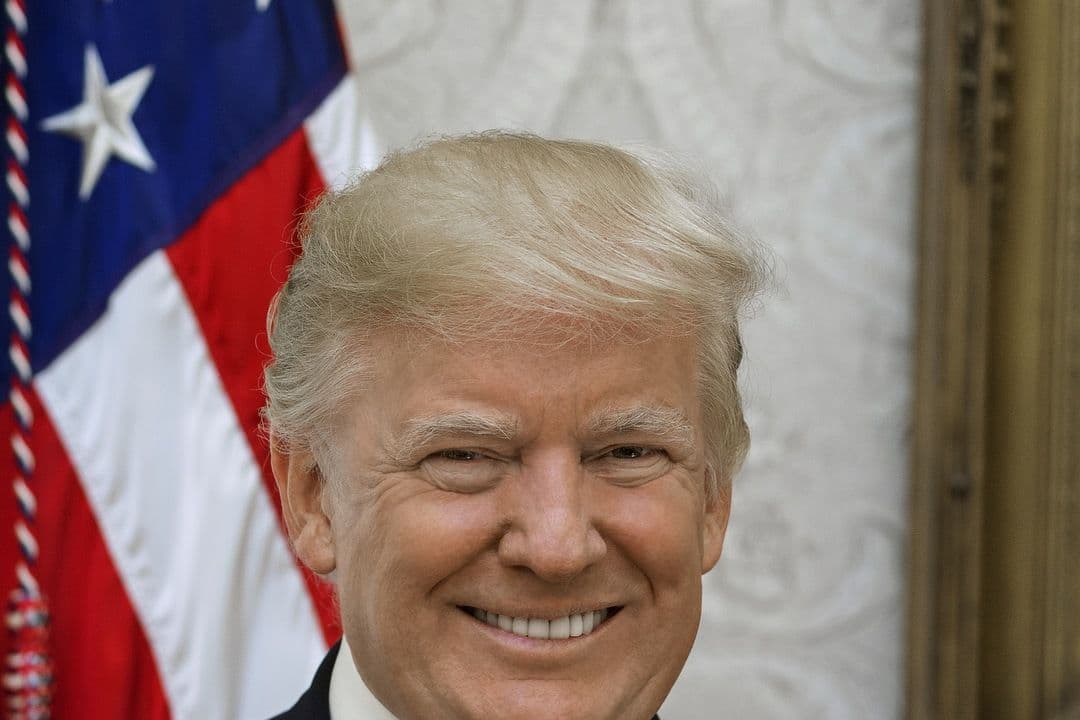
President Donald Trump said at a NATO summit in Turkey on July 8 that he believes the ceasefire with Iran is “over” after a recent exchange of attacks between U.S. and Iranian forces, according to NPR. In separate reporting, NPR said the statement raised concern among allies, questions about NATO cohesion, and the possibility of renewed regional escalation as diplomats and officials weighed responses.
Why It Matters
The new signal changes the diplomatic frame around a ceasefire that had been intended to halt direct U.S.-Iran hostilities. The immediate issue is not only whether the truce survives, but whether governments treat Trump’s remarks as a policy shift, negotiating pressure, or recognition that the agreement has already failed. NATO is also the venue where the remark landed, making allied coordination part of the story as much as U.S.-Iran crisis management. This is the same ceasefire track GPS previously reported was already under strain.
Perspective
The evidence base points to a ceasefire under political and military pressure, but the available reporting differs in emphasis. NPR centers Trump’s public comments and the strain caused by strikes and counterstrikes. AP frames the moment through a longer sequence of clashes, diplomacy, and incidents, asking whether a key deal is effectively dead and whether the prospect of war has returned.
What to Watch
Whether Washington issues a formal policy position confirming, modifying, or walking back Trump’s statement.
- Any Iranian military, diplomatic, or maritime response following the NATO remarks.
- NATO member reactions, especially signs of coordination gaps over escalation management.
- Whether diplomats resume talks or shift toward crisis containment measures.