Central Development
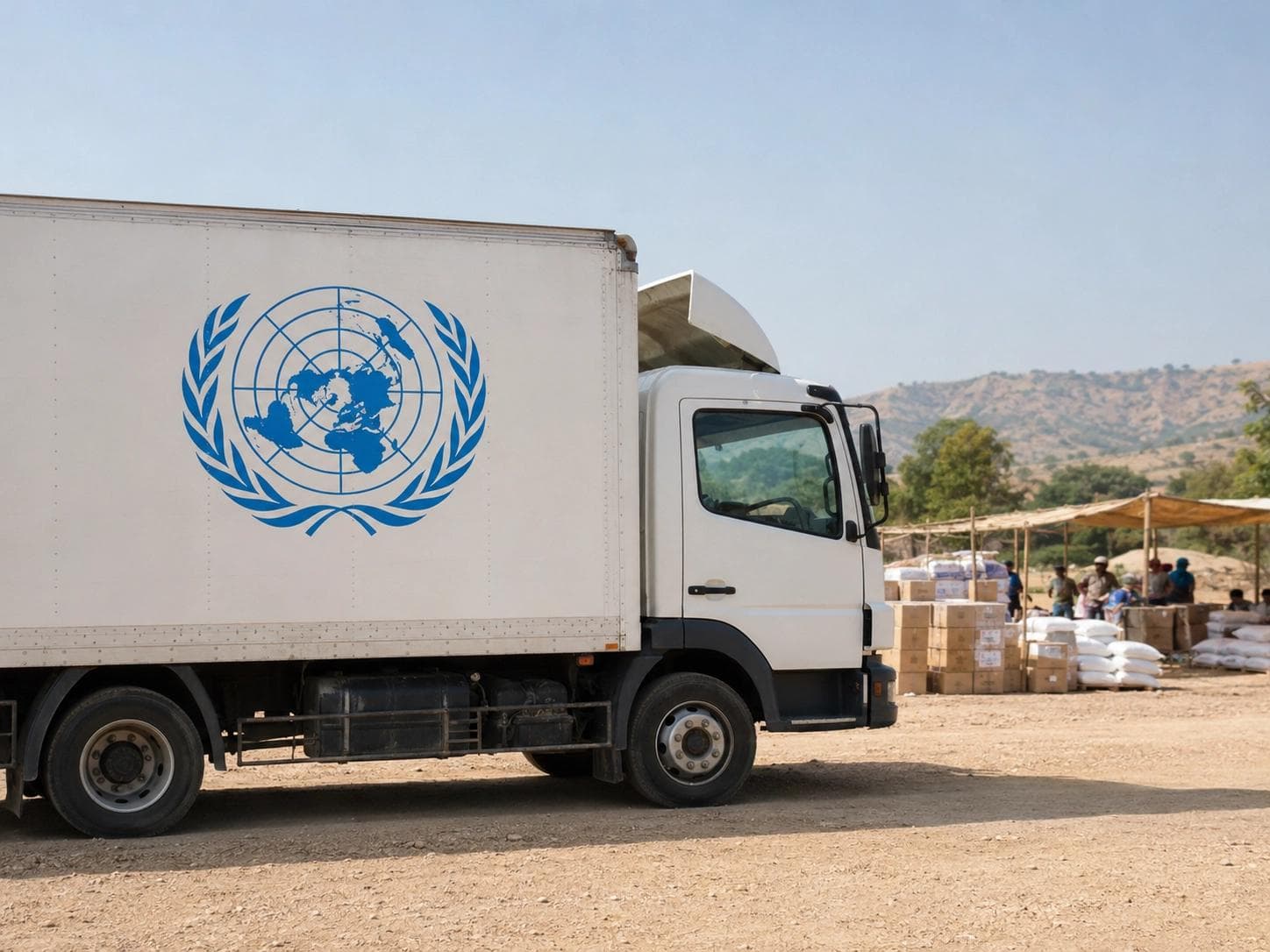
On July 7, the Venezuela earthquake response moved deeper into logistics, recovery and health protection. The War Department said a 110-airman team from the 621st Contingency Response Wing deployed to Simón Bolívar International Airport on July 6 to support disaster relief and improve humanitarian air transport with local authorities and other teams. France also expanded its role: the French Foreign Ministry said it deployed 85 rescuers and routed 44 tons of humanitarian aid to Venezuela. The International Rescue Committee warned on July 7 that strained health services and gaps in care could produce a secondary public-health emergency.
Why It Matters
The new deployments come as the emergency phase narrows. The Associated Press reported on July 6 that formal rescue operations were winding down and that families and local volunteers were searching and burying victims amid shortages and limited organized support. Earlier, the United Kingdom had matched £2 million in public donations to the Disasters Emergency Committee appeal, according to the UK government. This same relief track was covered as GPS previously reported, before the latest airlift and health warnings.
Perspective
The evidence now points to two parallel realities: international actors are adding transport and rescue capacity, while Venezuelan communities face a slower recovery burden at ground level. The International Rescue Committee frames the next risk around hospitals, care gaps and longer-term needs; the Associated Press emphasizes the practical shift from finding survivors to recovering bodies and managing local damage.
What to Watch
Whether Simón Bolívar International Airport can sustain expanded humanitarian air movements.
- Public-health indicators tied to hospital capacity, medical supplies, water and sanitation.
- Further donor commitments and whether aid reaches communities beyond the main logistics hubs.