Central Development
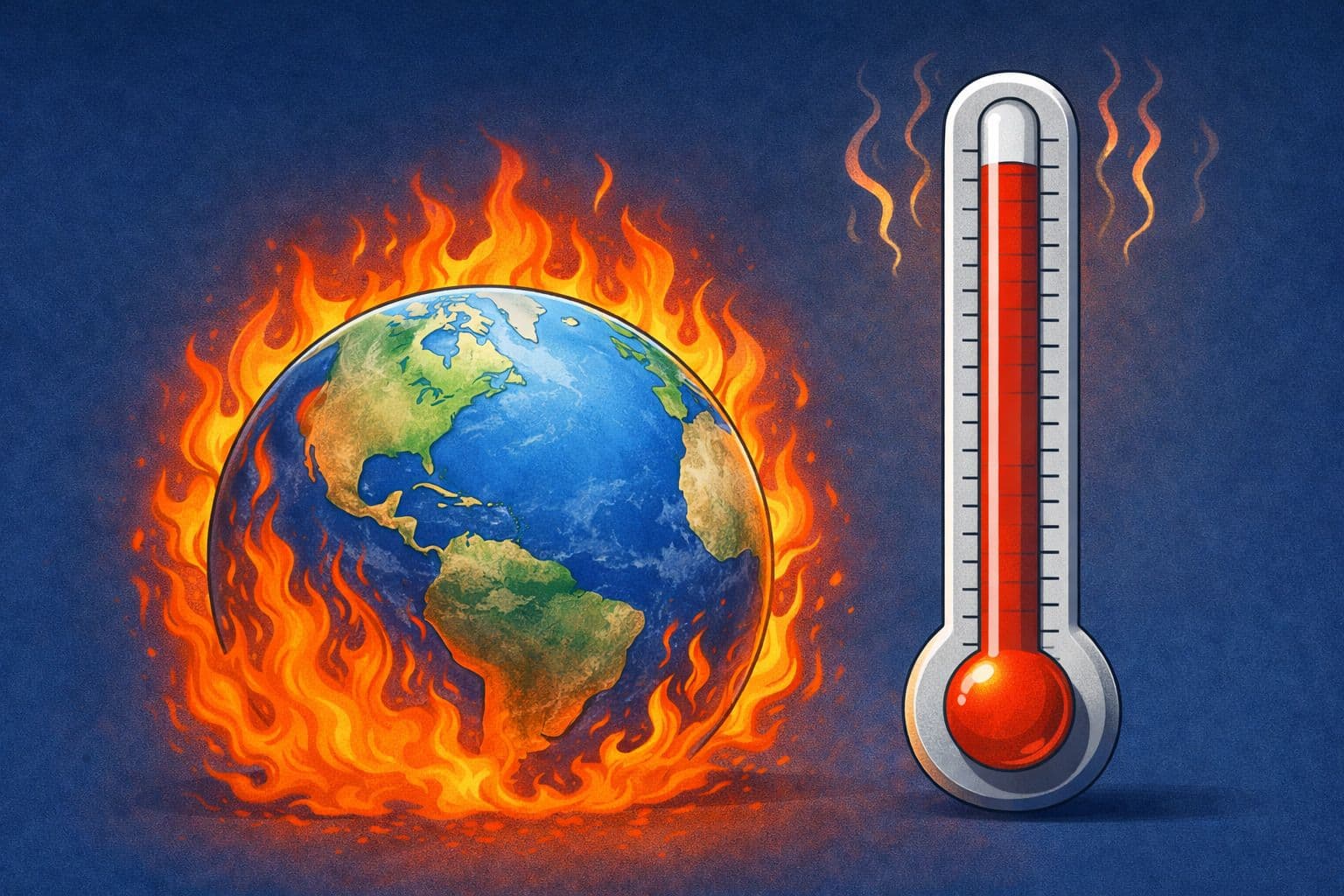
Europe’s latest heat wave brought record temperatures, heat-related illnesses, wildfires, and disruptions to transport and power systems, according to AP News. Experts have linked the extreme heat to climate change, AP reported. In the United Kingdom, National Heat Risk Commission chair Emma Howard Boyd warned that inadequate building resilience is a central vulnerability, as reported by Ars Technica.
Why It Matters
The combination of acute public-health impacts and infrastructure strain underscores Europe’s adaptation gap: many homes, workplaces, and critical services are not designed for sustained extreme heat. Temperatures reached about 36°C in parts of the UK and exceeded 44°C in France, and Swiss authorities issued heat warnings, according to Ars Technica. In parallel, the European Commission says it is exploring new financing tools to enhance private investment in biodiversity, which could intersect with climate resilience priorities, per the European Commission.
Perspective
While national heat alerts and emergency responses are expanding, the evidence base highlights structural exposure: dense urban areas, heat-prone building stock, and grid vulnerability. The immediate toll—illnesses, fires, and service disruptions—was broad-based, according to AP News. Legal and policy signals are also part of the landscape: Ground News aggregated reports that a Paris court is poised to deliver a climate case ruling amid the extreme heat, indicating how litigation may shape adaptation and accountability debates (Ground News).
What to Watch
Whether governments move on heat-resilient building standards and retrofits.
- Details and scale of EU biodiversity finance tools and links to urban heat adaptation.
- Health surveillance data on heat-related morbidity and mortality.
- Timing and implications of the Paris court climate ruling.
- Grid stress indicators and wildfire risk as heat persists.