Central Development
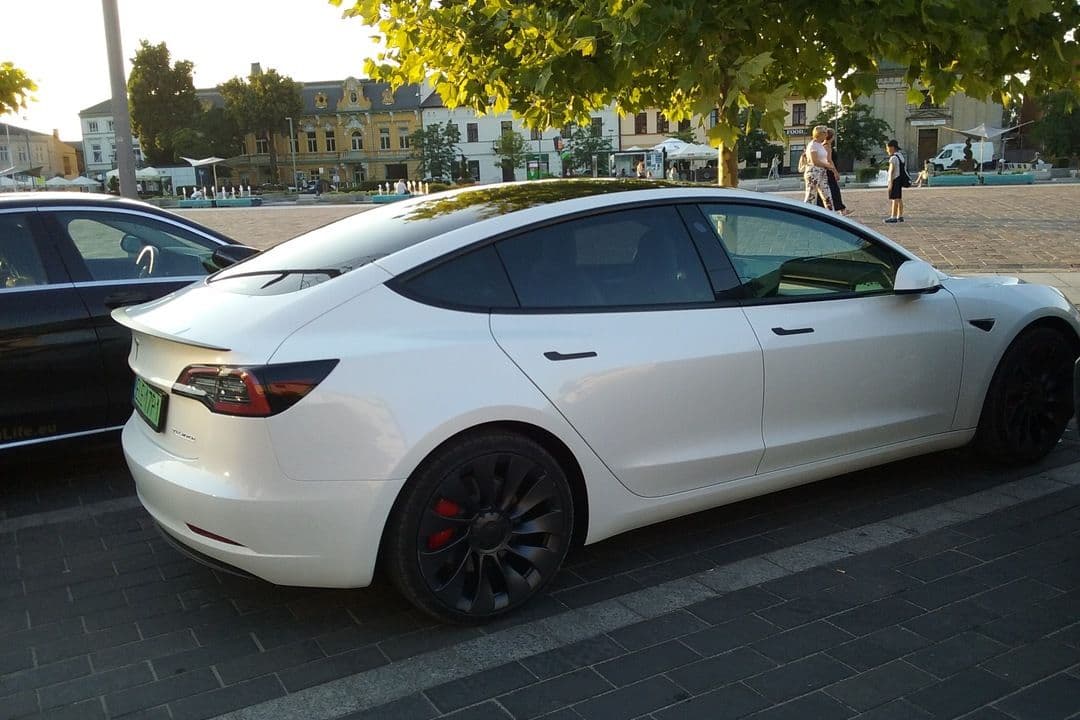
On June 23, the National Highway Traffic Safety Administration launched a special investigation into a fatal Tesla crash in Texas that killed a 76-year-old woman when a Model 3 struck her home. The regulator said it will examine whether driver-assistance or self-driving systems played a role and indicated it will also scrutinize Tesla’s promotion of robotaxi technology, according to AP News.
Why It Matters
A special crash investigation signals heightened federal attention to automated driving safety and marketing claims. The outcome could shape how NHTSA weighs software performance, driver-monitoring, and consumer understanding in real-world crashes involving systems branded as Autopilot or self-driving. It also raises compliance risk for Tesla if regulators conclude that product capabilities or promotional framing contributed to unsafe use, AP News reported.
Perspective
Key facts remain unsettled. Investigators have not determined whether Autopilot was active, overridden, or malfunctioning at the time of impact, according to TechCrunch. The driver, identified by the Harris County Sheriff’s Office as Michael Butler, is cooperating with authorities and was not intoxicated; he told deputies he had an automated driver-assistance feature engaged, the Ars Technica report noted. NHTSA said it will examine software and system performance factors as part of the review, per AP News.
What to Watch
NHTSA’s initial findings from the special crash investigation and whether they trigger a defect probe or recall process.
- Vehicle data logs clarifying whether driver-assistance was active and any driver-input overrides at the moment of impact.
- Any formal inquiry or guidance from NHTSA regarding Tesla’s robotaxi marketing claims.
- Updates from Harris County authorities on potential charges or additional evidence from the crash scene.