Central Development
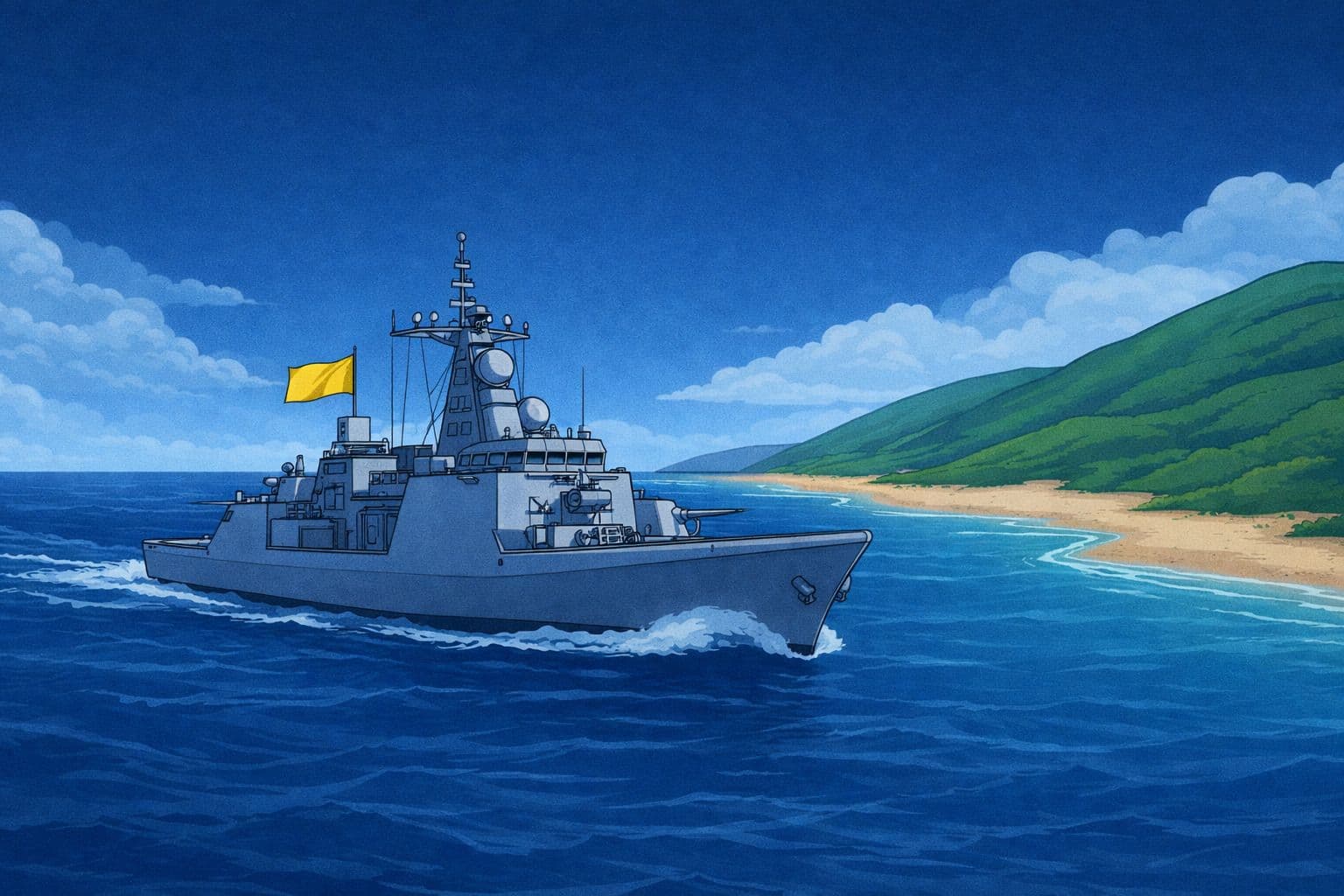
Reports on June 17 outlined a tentative U.S.–Iran arrangement under which Tehran would be allowed to sell oil more freely if it reopens the Strait of Hormuz, though officials have not publicly confirmed the terms, according to the Associated Press. The same day, President Donald Trump urged ships in the area to “start engines,” yet commercial traffic has not broadly resumed, NPR reported. Separately, Berlin is preparing to take part in an international mission to safeguard shipping in the waterway, Ground News reported.
Why It Matters
The reported deal framework, if formalized and implemented, could ease a chokepoint crisis with direct implications for global energy flows. But persistent security uncertainty—evidenced by thin commercial movements despite political signaling—suggests that shipowners and insurers remain cautious. Additional maritime security participation by European partners could help reduce perceived transit risk if paired with verifiable improvements in passage conditions.
Perspective
AP describes the arrangement as based on leaked terms and notes the lack of official confirmation, underscoring the fragility of any breakthrough absent formal announcements or enforceable mechanisms. NPR’s account highlights the gap between political directives and operational confidence at sea, and also notes months of related conflict involving the United States and Israel in the region as context for heightened risk. Iran’s insistence that it controls the strait, cited by NPR, reinforces that any reopening depends not just on written terms but on practical security guarantees. Reporting on Germany’s prospective role comes via an aggregator, indicating limited visibility into modalities or timelines.
What to Watch
Formal U.S. and Iranian confirmation—or denial—of reported deal terms and implementation steps.
- Notice-to-mariners guidance, convoying protocols, or naval deconfliction arrangements that could rebuild shipowner confidence.
- Measurable uptick in AIS-tracked tanker and bulker transits through Hormuz.
- German government decisions on mandate, force package, and rules of engagement for a safeguarding mission.
- Market signals from insurers and charterers on premiums, war-risk surcharges, and routing decisions.