Central Development
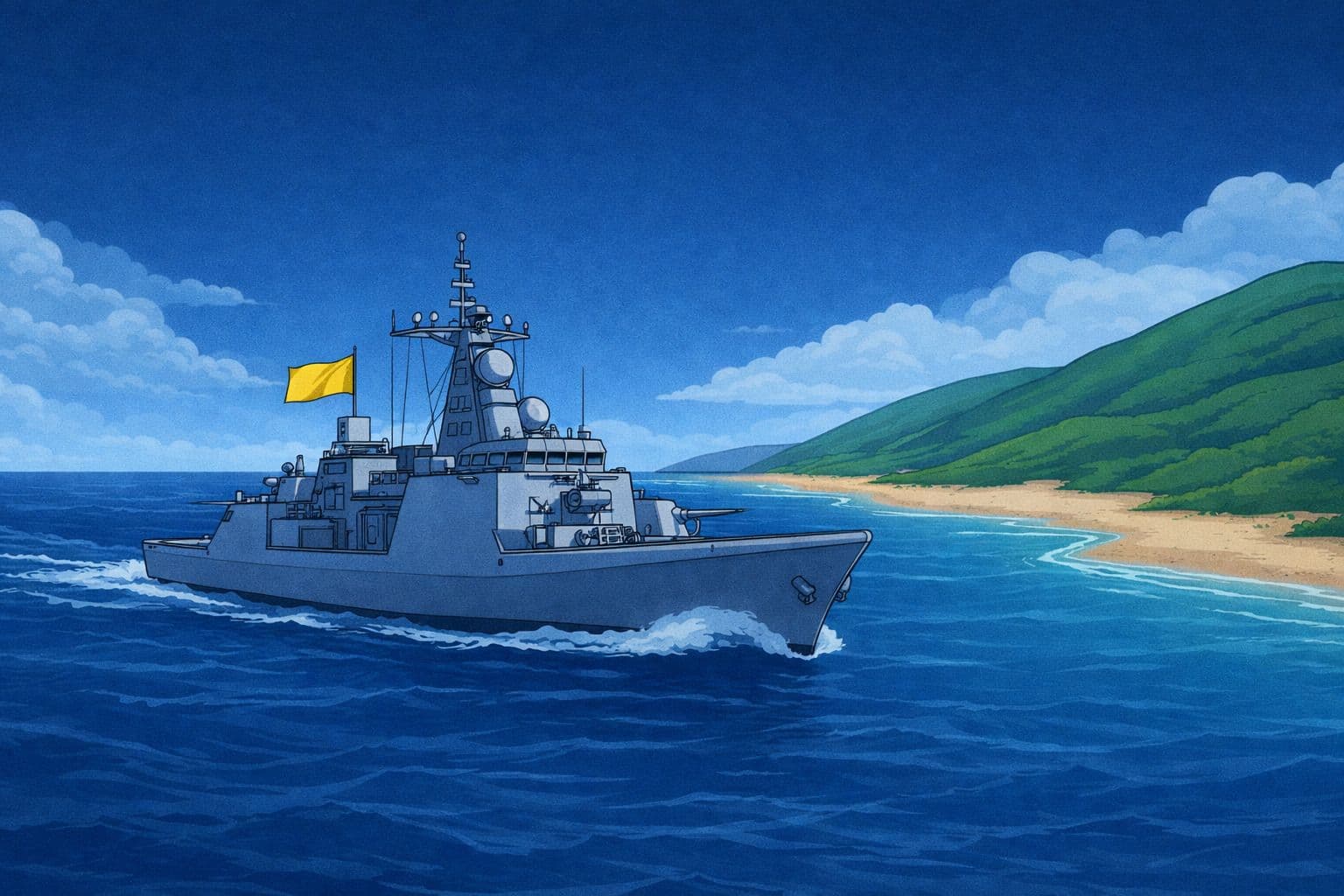
British Armed Forces boarded the sanctioned Russian “shadow fleet” oil tanker SMYRTOS during a six-hour operation in the English Channel on 14 June, with National Crime Agency officers involved; the vessel will be held and monitored off England’s South Coast while investigations proceed, according to the UK government’s account (https://www.gov.uk/government/news/uk-forces-intercept-russian-shadow-fleet-vessel-for-the-first-time-in-blow-to-putins-war-chest). London frames the action as targeting a sanctions‑evasion logistics network that it says carries roughly 75% of Russia’s sanctioned oil.
Why It Matters
Interdicting shadow‑fleet tankers aims to raise the cost and risk of moving sanctioned Russian oil, potentially tightening pressure on the Kremlin’s wartime revenues. The UK also cites a 24% year‑on‑year fall in Russia’s oil and gas revenues in 2025 under sanctions (https://www.gov.uk/government/news/uk-forces-intercept-russian-shadow-fleet-vessel-for-the-first-time-in-blow-to-putins-war-chest). In parallel to maritime enforcement, the conflict’s energy front remains active: a Ukrainian drone strike hit a Russian oil facility, killing one person and causing a fire, according to AP (https://apnews.com/article/russia-ukraine-war-drones-oil-tanker-2e289b307a65ea3ad2f51d91d3feafe4). Together, these dynamics underscore mounting pressure on Russia’s energy system by both enforcement and attack.
Perspective
Details of the SMYRTOS boarding, the scale of the shadow fleet, and revenue impacts come from an official UK release. Independent legal findings and third‑party verification of ownership, routing, and compliance outcomes are pending. AP’s report on the Ukrainian strike is a separate development and does not establish a direct link to the UK operation; it does, however, reinforce the centrality of energy infrastructure to the conflict’s trajectory.
What to Watch
Whether the UK or European partners expand at‑sea inspections or detentions of shadow‑fleet vessels.
- Legal outcomes from the SMYRTOS investigation and any follow‑on sanctions designations for owners/operators.
- Changes in routing, flagging, insurance, and port access for high‑risk tankers.
- Additional strikes on Russian energy infrastructure and measurable impacts on refining/throughput.