Central Development
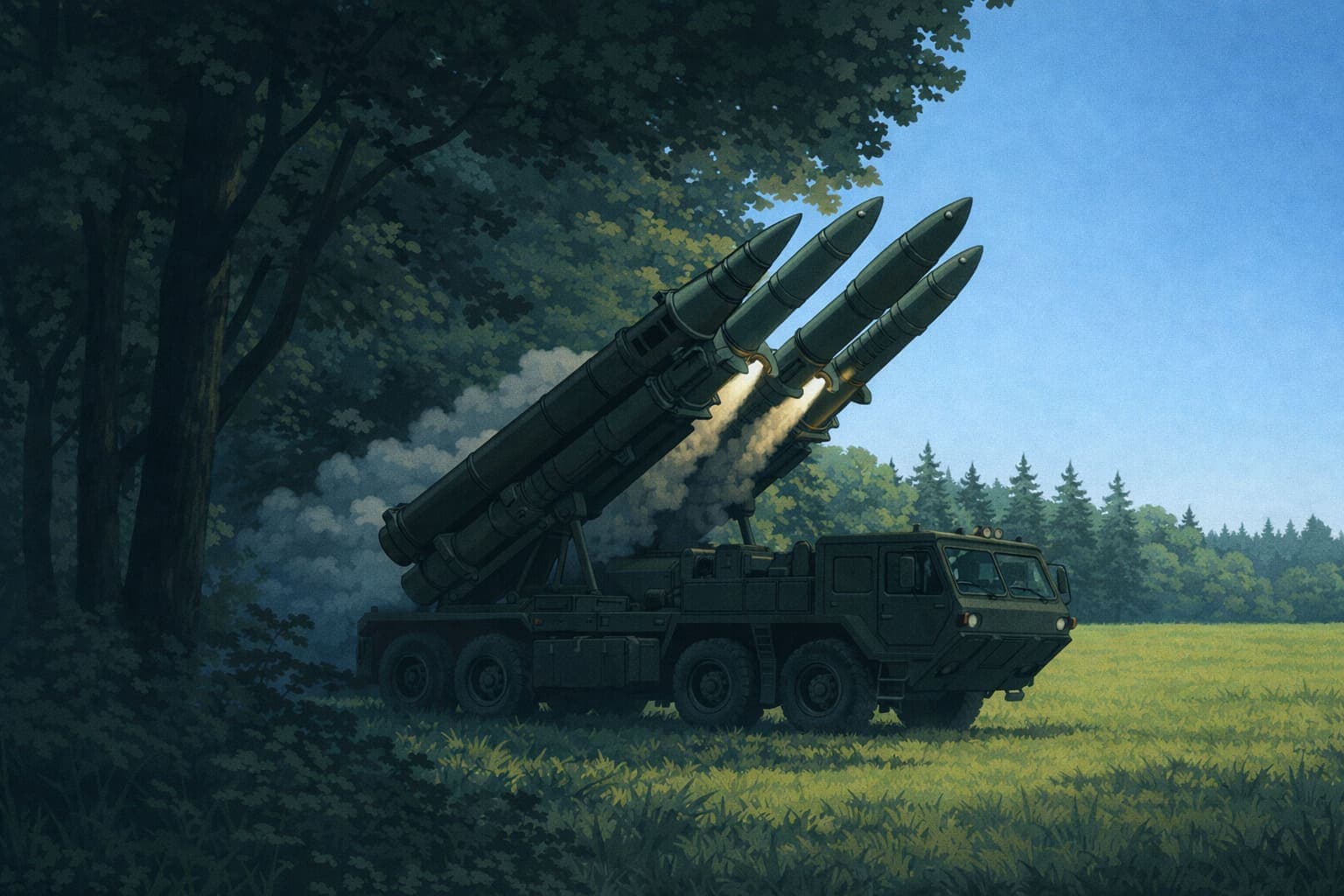
Iran launched missiles at Israel on June 8, the first such strike since the April 8 ceasefire, according to Reuters. Israel then struck targets inside Iran after taking missile fire, AP News reported. In Lebanon, Israeli forces hit suburbs of Beirut targeting Hezbollah after the group used fighter drones; Prime Minister Benjamin Netanyahu’s office said the strike followed a Hezbollah drone attack, NPR reported.
Why It Matters
The renewed Iran–Israel exchanges break a fragile lull and widen the risk of a broader regional confrontation with wider repercussions, AP News noted. The escalation also complicates multinational mediation efforts aimed at a ceasefire, according to NPR.
Perspective
Reuters framed Iran’s June 8 launch as the first since the April truce, underscoring a significant breach of the recent pattern of restraint, per Reuters. Israeli actions are cast as retaliatory—both against missile fire from Iran and drone activity by Hezbollah—based on government statements cited by NPR. For context, AP News published a timeline mapping the escalation around Lebanon, reflecting how the Israel–Hezbollah front interlocks with Iran–Israel dynamics.
What to Watch
Any further cross-border strikes or claims of strikes by Iran or Israel, and whether targets expand beyond prior patterns.
- Signals from mediators on whether ceasefire talks pause or pivot following the latest exchanges.
- Hezbollah’s tempo along the Israel–Lebanon border and Israel’s response thresholds.
- Official readouts from Tehran and Jerusalem that clarify objectives or red lines.