Central Development
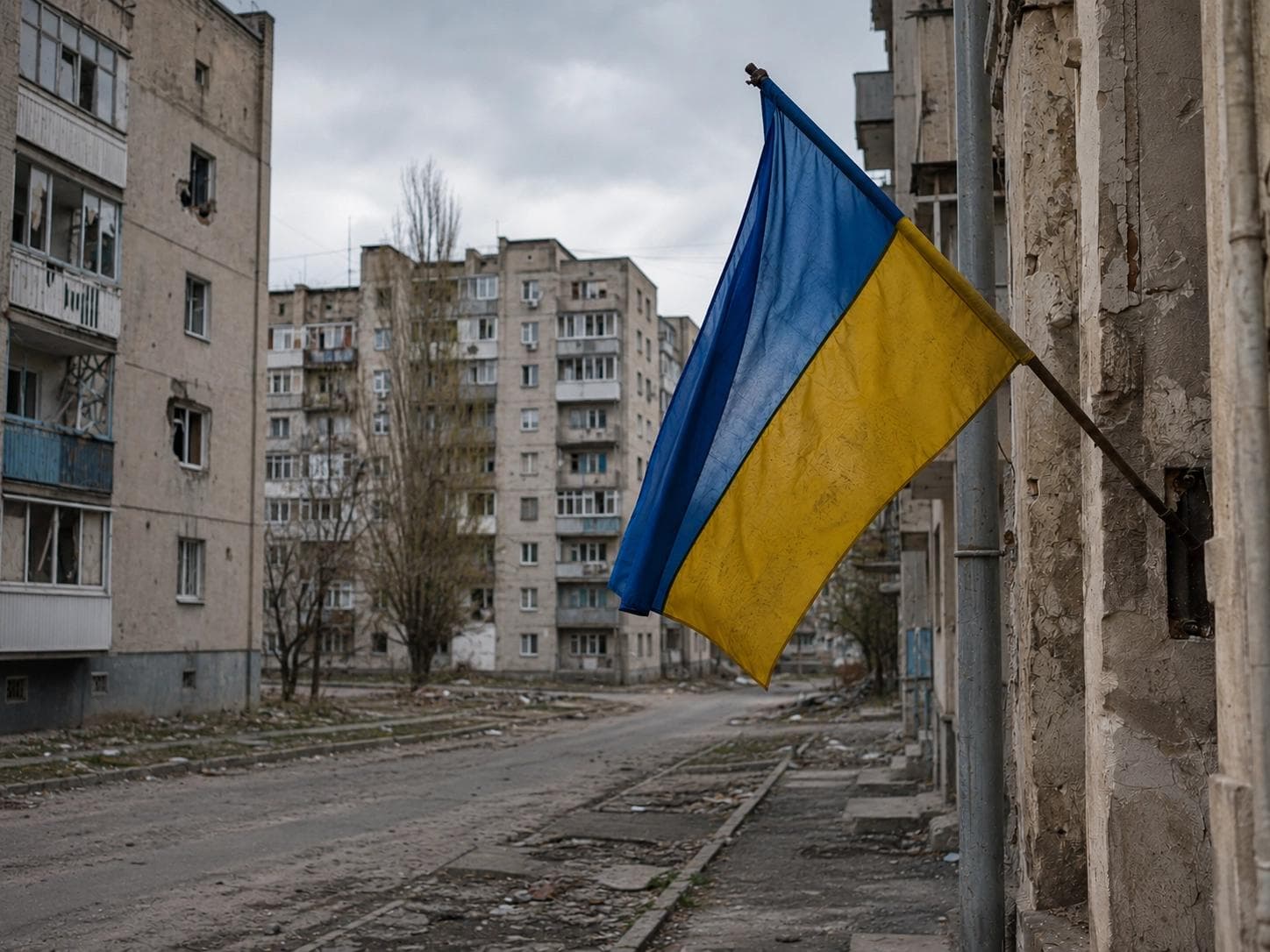
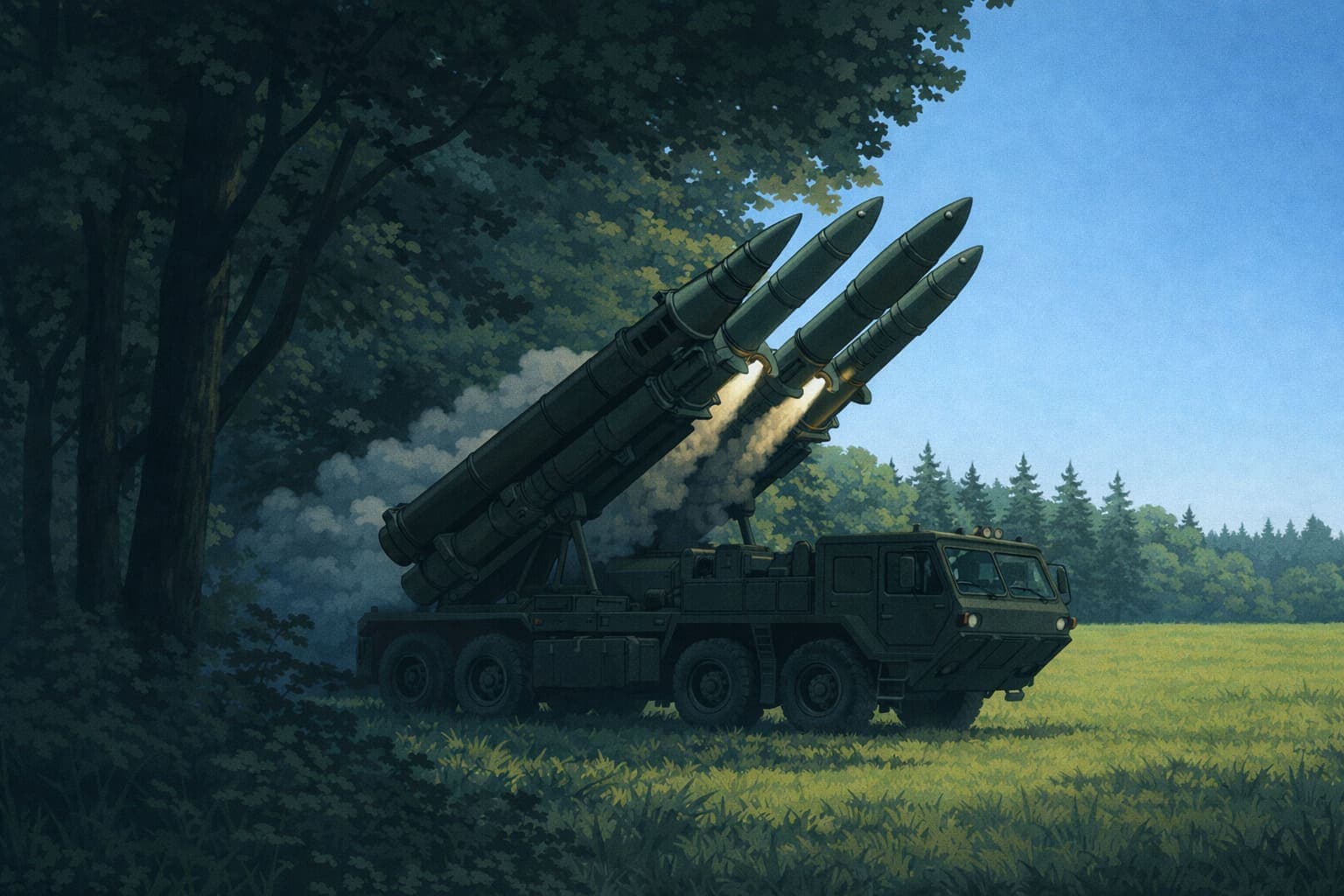
On May 26, Russian authorities warned foreign nationals to leave Kyiv following a large attack, according to Ground News. A day earlier, Foreign Minister Sergey Lavrov said Russia had decided to strike sites in Kyiv linked to military infrastructure, Ground News reported. The paired signal—public intent and subsequent warning—points to a heightened Russian campaign against targets in the capital.
Why It Matters
The warning raises immediate risk calculations for governments and firms with personnel in Kyiv and suggests Russia is prepared to sustain pressure on the city’s critical systems. Separately, European leaders are watching Belarus for signs it could aid Russia’s war effort—a step that could widen the conflict and complicate response options—reported by the Associated Press. The broader security picture is mixed: the Associated Press describes U.S.–Iran talks as making some progress toward a possible deal, while NPR notes officials say key differences persist.
Perspective
The Kyiv developments rely on reporting aggregated by Ground News and reflect Russian official messaging; independent details on targeting remain limited. AP corroborates heightened regional vigilance (notably around Belarus) but does not confirm Moscow’s specific targeting claims. In the Levant, Israel’s military said it struck Hezbollah sites in Lebanon and Prime Minister Benjamin Netanyahu vowed to intensify blows, per the Associated Press. Diplomacy and force are moving in parallel across theaters, with outcomes contingent on near-term signals rather than settled trajectories.
What to Watch
Additional Russian advisories or strike patterns against Kyiv’s military-linked infrastructure.
- Concrete indicators of Belarusian involvement: troop movements, official statements, or logistical support.
- Changes to embassy security posture or evacuation guidance for Kyiv.
- U.S.–Iran negotiation milestones on enforcement, timelines, and guarantees; signs talks stall or narrow gaps.
- The Israel–Hezbollah strike tempo and any cross-border thresholds that trigger broader escalation.