Central Development
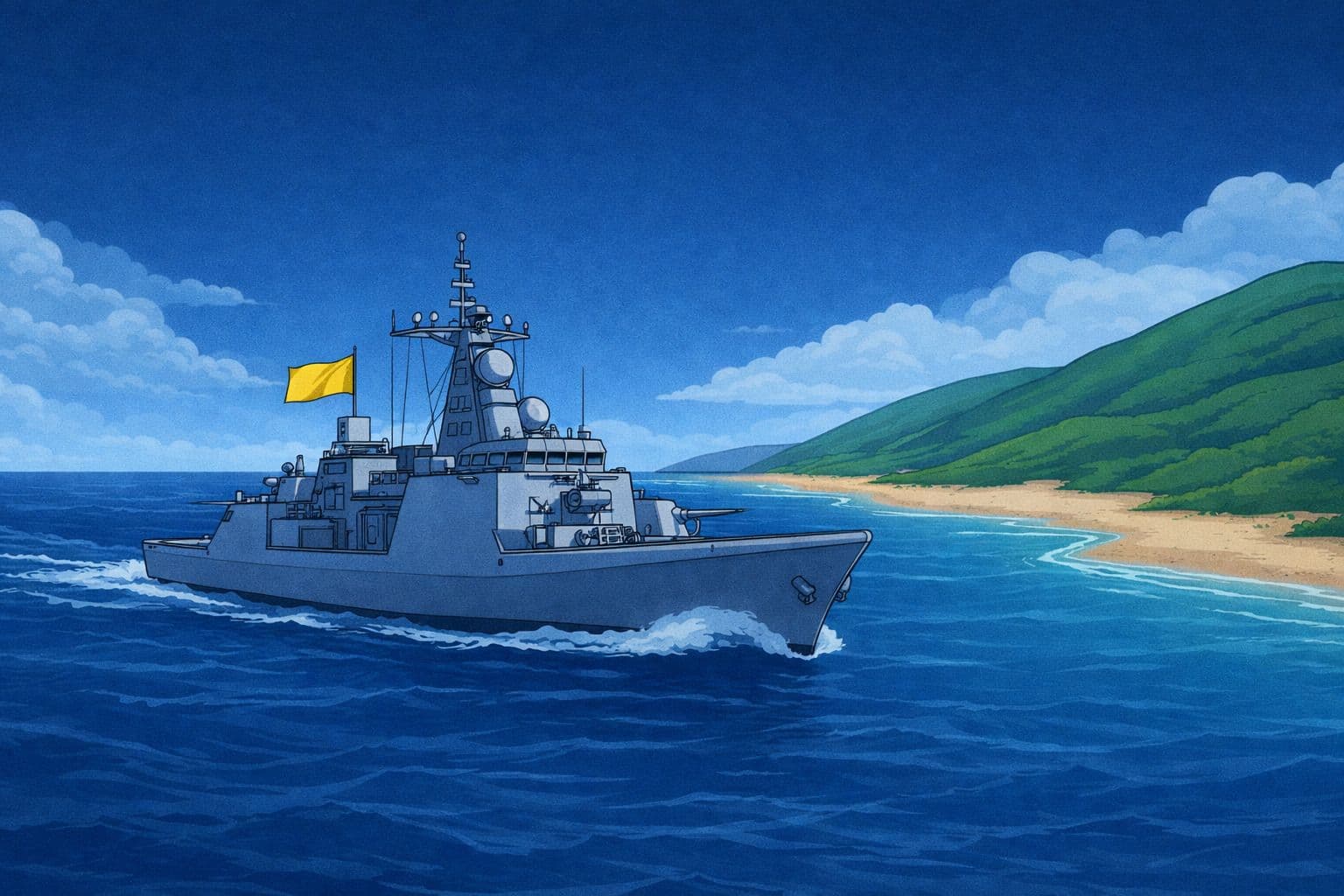
On April 19, Iranian officials said they would restrict ship passage through the Strait of Hormuz as long as the United States maintains what Tehran calls a blockade, according to NPR. NPR also reported that Iran had closed the strait again after a brief reopening and that the U.S.-Iran ceasefire expired with no new agreement. Separately, President Donald Trump announced that the United States took an Iran-flagged vessel into custody in the Gulf of Oman, Axios reported.
Why It Matters
The Strait of Hormuz is a critical maritime chokepoint for global energy and commercial shipping. Repeated closures and threatened transit restrictions elevate risks to regional security, insurance and routing decisions for carriers, and crisis management between U.S. and Iranian forces. The U.S. move to detain an Iran-flagged ship underscores a tightening enforcement posture that could prompt reciprocal actions at sea, raising the chance of miscalculation.
Perspective
Tehran’s framing links its restrictions to an asserted U.S. blockade, per NPR, while Washington’s seizure of an Iran-flagged vessel, as reported by Axios, signals determination to police Gulf waters. Reporting also differs on the precise status and duration of closures, with NPR noting a brief reopening followed by renewed closure. Beyond the Gulf, Axios notes Chinese analysts are studying U.S.-Iran dynamics to refine military planning—an indicator that regional crises can shape third-country defense postures.
What to Watch
Any formal Iranian notices or maritime advisories on transit conditions, convoying, or reopening timelines.
- U.S. clarification of the legal basis and disposition of the detained Iran-flagged vessel.
- Adjustments to naval postures or escort policies by the U.S. and partners in the Gulf.
- Signs of crisis-management channels reopening after the ceasefire’s lapse.