Central Development
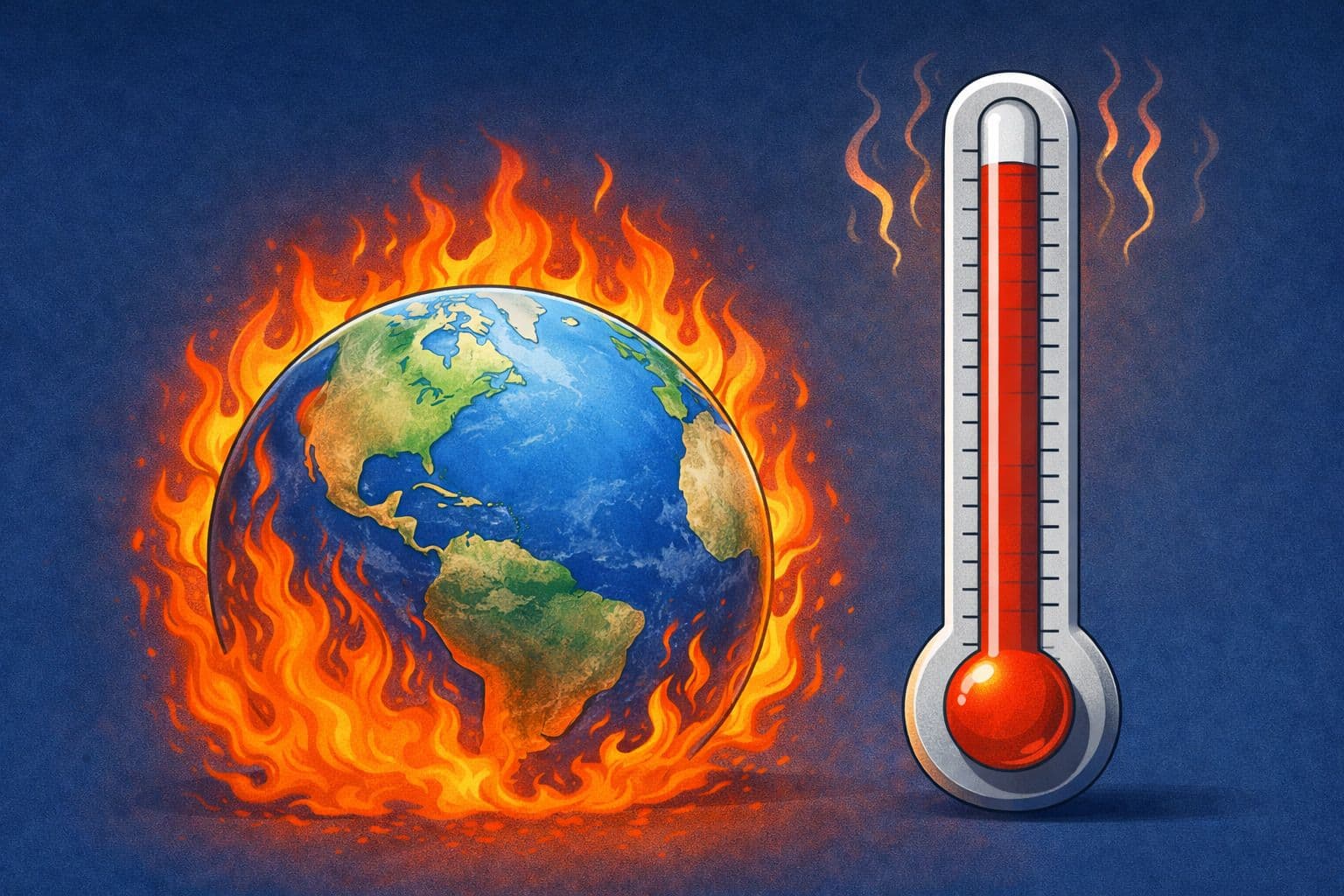
A new study finds that climate change has increased the hours each day when wildfires actively burn across North America, making fires harder to control and manage, according to Ground News. The expanded burning window reduces the traditional overnight lull that crews have relied on for containment and recovery.
Why It Matters
Longer daily burn periods force fire agencies to adapt staffing, shift patterns, and tactics, and can expand the geographic and temporal scope of risk. This raises budget and logistics pressures for suppression, prescribed burning, and land management. The finding that firefighting and land-management efforts are complicated by extended burning hours, reported by Ground News, suggests that agencies may need to re-sequence operations toward more continuous readiness during peak seasons.
Perspective
The evidence cited comes via an aggregator rather than a technical paper, limiting visibility into methods, regions most affected, and the size of the change. Still, the directional signal aligns with field reports that longer, hotter, and drier conditions lengthen the window for active fire behavior. While the study focuses on North America, policymakers elsewhere evaluating wildfire preparedness may draw operational lessons from the shift toward longer daily burn periods. Separately, an urban biodiversity report from NPR notes disappearing palm trees in Caracas, a reminder that climate and land-use stresses are altering habitats even in cities.
What to Watch
Updated fire-agency staffing models, night-operations protocols, and mutual-aid compacts before peak fire season.
- Release of study details (data, regional breakdowns, seasonality) that could guide resource pre-positioning.
- Land managers’ adjustments to prescribed-burn windows and fuel-reduction schedules.
- Municipal responses to urban habitat loss, including tree-planting and species-specific management plans.