Central Development
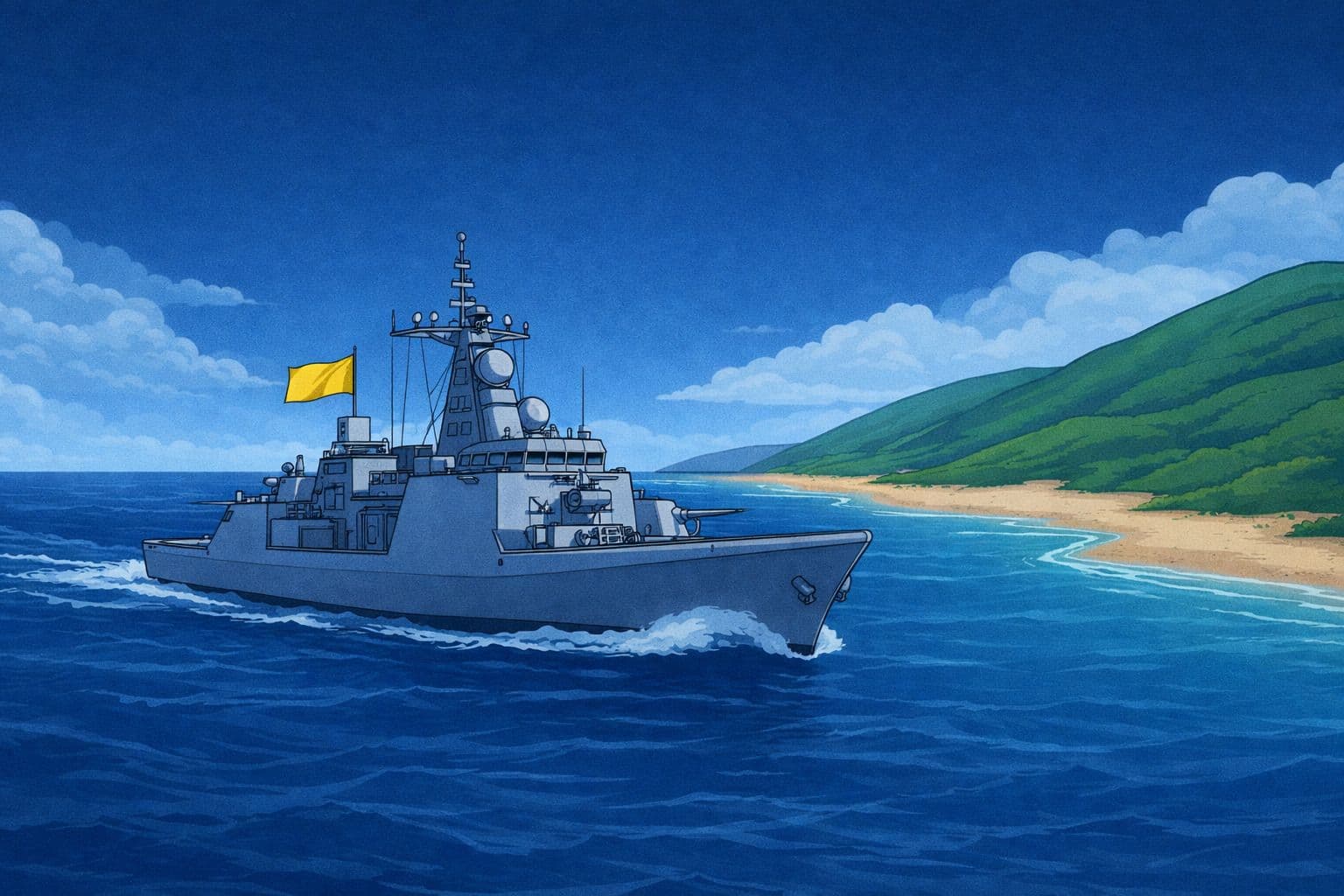
Iran announced it closed the Strait of Hormuz on April 18 and disrupted maritime traffic, with international navies and commercial operators monitoring the situation, according to Axios. The same report said Iranian forces fired on multiple commercial tankers. In Washington, President Donald Trump convened a Situation Room meeting on April 18 amid the renewed tensions, Axios reported. Separately, Trump said a blockade on Iranian ports would remain in place, as noted by NPR.
Why It Matters
The reported shutdown and attacks elevate maritime security risks at a key shipping corridor and test crisis-management channels between regional and global actors. Market signals have been uneven: a day earlier, oil traders had priced in reduced risk of supply interruptions through the strait and prices fell sharply on April 17, Axios reported. The divergence between security reporting and market expectations points to heightened volatility in both risk assessment and policy responses.
Perspective
There is inconsistency over the strait’s status. On April 17, Iranian authorities said it was open, per Axios. On April 18, Iran’s military said conditions had “returned to [their] previous state,” NPR reported, even as Axios described a closure and firing on tankers. NPR also highlighted broader uncertainty in the Strait of Hormuz as a ceasefire period nears its end. Taken together, the picture suggests a fluid operational environment and a communications gap between official statements, shipping risk, and market pricing.
What to Watch
Clarity from Iranian authorities and shipping operators on navigational status and any traffic restrictions.
- Naval advisories or convoy measures announced by international fleets and commercial operators.
- Outcomes from US national security deliberations, including any changes to maritime security posture or sanctions enforcement.
- Oil price and freight rate reactions to verified shipping incidents or confirmed reopenings.