Central Development
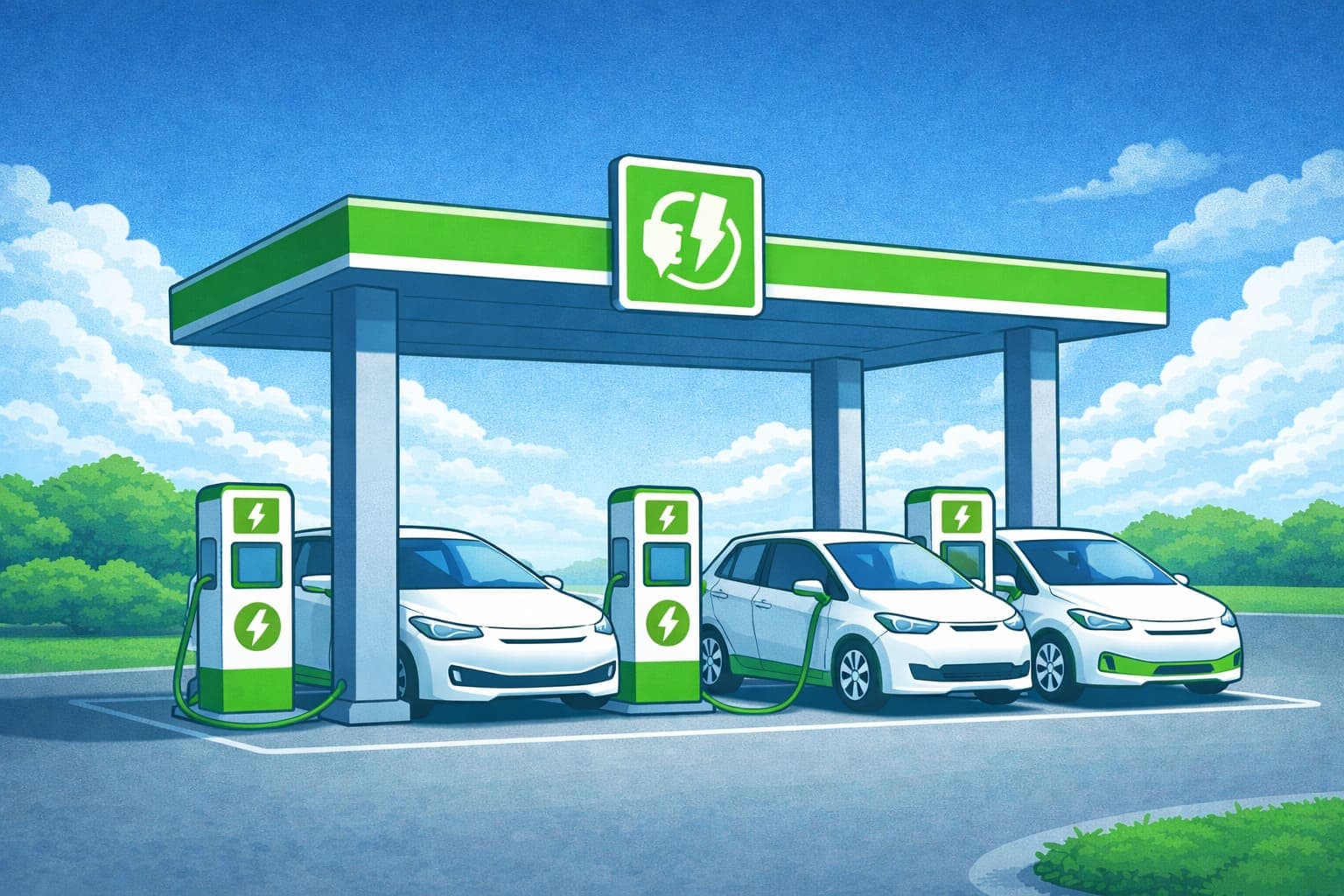
On 17 April, the European Environment Agency reported that EU greenhouse gas emissions fell a further 3% between 2023 and 2024, extending a decades‑long decline in the power sector, where emissions from electricity and heat production are down 58% since 1990 (single‑source EEA data: European Environment Agency). The EEA also noted that emissions from natural gas have dropped nearly 18% since 2022, even as natural gas use in thermal power stations is 44% higher than in 1990 (EEA). In contrast, road transport emissions increased despite efficiency gains and growth in electric vehicle adoption (EEA). Hydrofluorocarbon emissions have declined for ten consecutive years (EEA).
Why It Matters
The figures underscore uneven sectoral progress: deep decarbonization in power contrasts with persistent transport‑sector growth, a pattern that can slow overall reductions even as grid emissions fall. The decade‑long decline in hydrofluorocarbons suggests targeted policy can deliver steady gains, while the rise in gas use since 1990—despite recent emission drops—highlights structural dependencies that complicate fuel‑switching and system planning (EEA).
Perspective
These are official, single‑source statistics from the EEA. They point to simultaneous long‑term progress in power and shorter‑term variability in gas and transport. The transport uptick—despite technology improvements—indicates demand and modal choices can offset efficiency and electrification if not matched by broader system changes (EEA).
What to Watch
Subsequent EEA inventory updates confirming 2025 trajectories, especially road transport.
- Member‑state measures targeting transport demand, fleet turnover, and logistics that could bend the transport curve.
- Power‑sector fuel mix signals: gas utilization versus renewable generation, and their impact on electricity and heat emissions.
- Continuation of HFC phase‑downs and whether the ten‑year decline persists.